spray dryers
Suppliers
15 Company

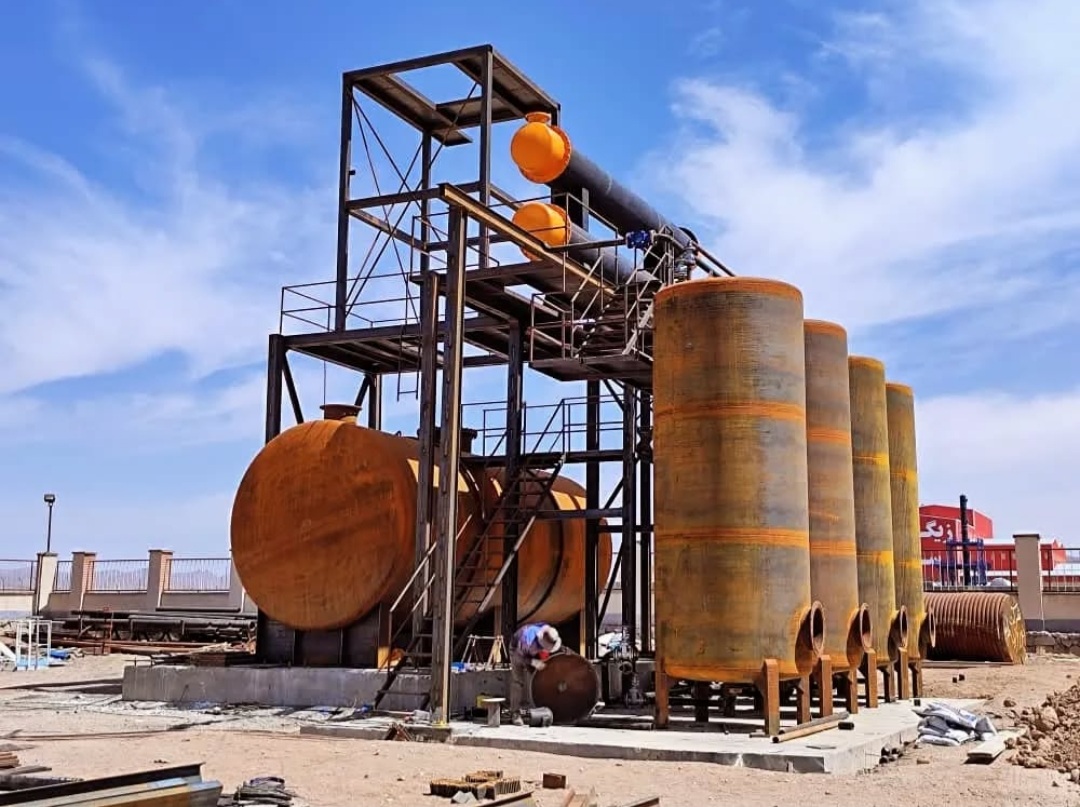
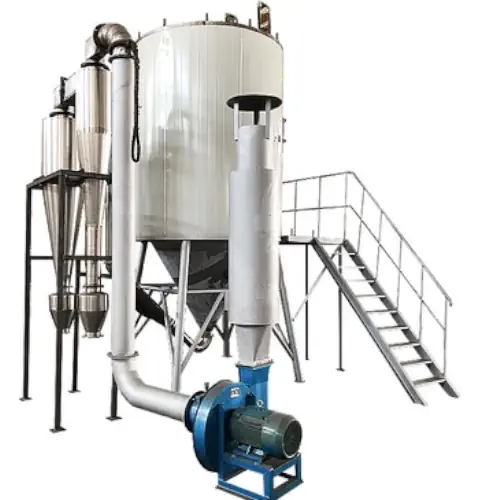
A fast granule spray dryer is an advanced drying system designed for industries requiring precise and efficient drying processes
[[ comment.sender ]]
[[ comment.description ]]
[[ reply.sender ]] (In response to [[comment.sender]])
[[ reply.description ]]


Spray Dryers: A Comprehensive Guide for Industrial Applications
Spray dryers are highly efficient industrial machines used to convert liquid feedstocks into powders or granules in a single step. Through atomization, the liquid is dispersed into fine droplets, which are rapidly dried using a hot air stream, resulting in free-flowing powders that are easy to package and transport. This process is a cornerstone in various industries, particularly food, pharmaceuticals, and chemicals, due to its efficiency, adaptability, and ability to produce high-quality, consistent products.
In this detailed guide, we will explore the following:
- The history and working principles of spray dryers
- Types and industrial applications of spray dryers
- Advantages, disadvantages, and solutions to challenges in spray drying
A Brief History of Spray Drying
The origins of spray drying can be traced back to the 19th century. A French engineer, Alexis Millardet, first utilized spray drying to produce dried wine yeast for the wine industry. However, the widespread industrial use of spray drying began in the mid-20th century.
- Early Development: Initial designs, such as those using nozzle atomizers, were relatively basic and posed operational challenges. These limitations restricted the technology's adoption until the 1920s.
- Modern Advancements: The development of rotary atomizers in subsequent decades revolutionized spray drying, enabling its application across diverse industries. Since then, innovations have refined the process, improving efficiency, scalability, and product quality.
How Spray Dryers Work
Spray drying involves four fundamental steps that integrate seamlessly to produce consistent results.
1. Feed Preparation
The liquid feedstock is prepared by combining ingredients, adjusting viscosity, and homogenizing the mixture to ensure uniformity.
2. Atomization
The feed is pumped into an atomizer (spray nozzle or rotary disk) that disperses it into fine droplets. This atomization step significantly increases the surface area, facilitating rapid moisture removal.
3. Dehydration
The fine droplets enter a drying chamber, where a hot air stream evaporates the moisture almost instantaneously. The drying air's temperature and velocity are carefully controlled to achieve the desired particle size, morphology, and residual moisture content.
4. Powder Collection
The dried particles are separated from the exhaust air using a cyclone or bag filter collection system. These powders are then ready for packaging or further processing.
Key Factors Influencing the Drying Process
Several parameters influence the drying rate and product quality:
- Droplet size: Smaller droplets dry faster but require precise control to avoid excessive particle fragmentation.
- Air temperature and velocity: Higher temperatures expedite drying but must be carefully moderated to avoid product degradation.
- Moisture content of the feed: Higher moisture requires longer drying cycles or increased energy input.
Types of Spray Dryers
The choice of spray dryer depends on the properties of the feed material, desired powder characteristics, and production capacity. Below are the primary types:
1. Rotary Atomizer Spray Dryers
- Uses a spinning wheel to atomize feed into droplets.
- Suitable for high-volume production and materials with a wide range of viscosities.
- Can handle abrasive slurries with ceramic-coated components.
2. Pressure Nozzle Atomization
- Employs high-pressure pumps to atomize feed.
- Produces consistent particle sizes and narrow size distribution.
- Common in food and dairy industries for products like milk powder.
3. Two-Fluid Nozzle Atomization
- Combines a liquid feed with a pressurized gas (air or steam) to create fine droplets.
- Often used in pilot-scale spray dryers.
4. Combination Systems
- Integrates spray dryers with fluidized beds for multi-stage drying.
- Improves drying efficiency and reduces residual moisture.
- Ideal for producing agglomerated powders with reduced dust.
5. Closed-Cycle Spray Dryers
- Uses an inert gas, such as nitrogen, instead of air for drying.
- Designed for applications involving flammable solvents or oxidation-sensitive materials.
- Includes solvent recovery systems for environmental and economic benefits.
Advantages of Spray Drying
Spray drying stands out for its ability to produce powders efficiently and with exceptional quality. Key advantages include:
1. Single-Step Processing
- Converts liquid into powder in one continuous step, saving time and reducing complexity.
- Eliminates the need for additional drying stages.
2. Superior Product Quality
- Produces powders with uniform particle size, high stability, and excellent flow properties.
- Ideal for industries requiring precision, such as pharmaceuticals and cosmetics.
3. Versatility
- Accommodates a wide variety of feed materials, from liquids to viscous slurries.
- Customizable to produce powders with specific characteristics.
4. Preservation of Active Ingredients
- Protects sensitive components, such as vitamins, enzymes, or pharmaceuticals, during drying.
5. Reduction in Contaminants
- Minimizes microbial contamination with high-temperature drying and clean-in-place (CIP) systems.
Applications of Spray Dryers
Spray dryers serve diverse industries, including:
1. Food Industry
- Common products: Instant coffee, milk powder, egg products, and infant formula.
- Benefits: Preserves flavor, aroma, and nutritional content while reducing bacterial contamination.
2. Pharmaceutical Industry
- Applications: Drug powders, granules, and encapsulated active ingredients.
- Advantages: Ensures potency and stability of active compounds.
3. Chemical Industry
- Used for manufacturing catalysts, pigments, and detergents.
- Advantages: Produces fine, stable powders suitable for various chemical processes.
4. Agricultural Sector
- Products: Fertilizers, animal feed, and pesticides.
- Benefits: Ensures uniform particle size for easy application.
5. Biotechnology
- Applications: Production of recombinant proteins, vaccines, and biopharmaceuticals.
6. Environmental Applications
- Treats solid and liquid waste in air pollution and wastewater management.
Challenges and Limitations
While highly effective, spray drying has some limitations:
1. High Energy Consumption
- Heating the air stream requires significant energy, making operating costs higher than alternative methods.
2. Capital Investment
- Spray drying equipment has high upfront costs, particularly for large-scale systems.
3. Feed Viscosity Limitations
- Typically restricted to feedstocks with viscosities below 500 centipoises.
4. Operational Safety
- Some powders are flammable or explosive. Systems must include robust explosion and fire safety mechanisms.
Mitigating the Challenges
Advancements in technology are addressing these drawbacks:
- Energy Efficiency: Heat recovery systems and eco-friendly designs reduce energy consumption.
- Improved Safety: Explosion suppression and advanced monitoring systems ensure operational safety.
- Cost Optimization: Modular systems and smaller-scale dryers offer cost-effective solutions for pilot plants and startups.
Conclusion
Spray drying remains a critical technology in many industries due to its versatility, efficiency, and ability to produce high-quality powders. Despite challenges like high energy consumption and capital costs, the benefits far outweigh the drawbacks, especially when integrated into well-planned production systems.
Entrepreneurs and factory owners considering spray dryers should evaluate their specific requirements and consult with reliable manufacturers to ensure a tailored solution. With the right approach, spray dryers can transform production processes and contribute significantly to business growth.