Home / Product Categories / Machinery / مخازن / Stainless steel storage tanks / Stainless Steel Water Tanks
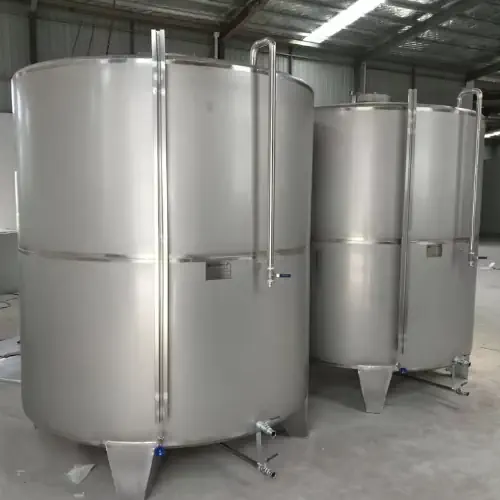
Stainless Steel Water Tanks
5 / 4.0
Based on 4 Customer opinion
Water storage is an essential element in industrial operations, whether for manufacturing, processing, or emergency supply. A stainless steel water tank provides the ideal solution, combining durability, hygiene, and versatility.





Description
Comprehensive Guide to Stainless Steel Water Tanks for Industrial Applications
Water storage is an essential element in industrial operations, whether for manufacturing, processing, or emergency supply. A stainless steel water tank provides the ideal solution, combining durability, hygiene, and versatility. Industries ranging from food processing to chemical manufacturing benefit from these tanks due to their ability to meet stringent storage and quality requirements.
In this guide, we will explore everything you need to know about stainless steel water storage tanks, their applications, benefits, and considerations for setting up a water storage system in an industrial facility.
What is a Stainless Steel Water Tank?
A stainless steel water tank is a robust and hygienic container designed for the storage of potable water, process water, or other industrial liquids. Made from high-quality stainless steel, these tanks are corrosion-resistant, long-lasting, and comply with international quality standards.
Key Features
- Made of stainless steel grades such as SS304 or SS316L.
- Available in various capacities, from small-scale to industrial-sized tanks.
- Can be customized for vertical or horizontal configurations.
- Equipped with fittings such as inlets, outlets, vents, and manholes for operational efficiency.
Applications of Stainless Steel Water Storage Tank
1. Industrial Water Storage
- Process Water: Used in manufacturing processes for cooling, cleaning, or as part of production cycles.
- Potable Water: Ensures a safe supply of drinking water for employees and facilities.
- Fire Suppression Systems: Acts as a water reserve for firefighting purposes.
2. Food and Beverage Industry
- Maintains hygiene for storing water used in the production of consumable goods.
- Prevents contamination in water used for cleaning or processing.
3. Pharmaceutical Industry
- Stores water in compliance with stringent purity standards for manufacturing medicines.
- Ensures sterility for sensitive processes.
4. Chemical Industry
- Suitable for storing deionized or treated water used in chemical processes.
- Resistant to corrosion from mild chemicals and contaminants.
5. Environmental Applications
- Stores treated or untreated water in wastewater management systems.
- Used in rainwater harvesting systems for sustainable industrial water use.
Types of Stainless Steel Water Tanks
Stainless steel water tanks are available in multiple configurations to suit various industrial needs.
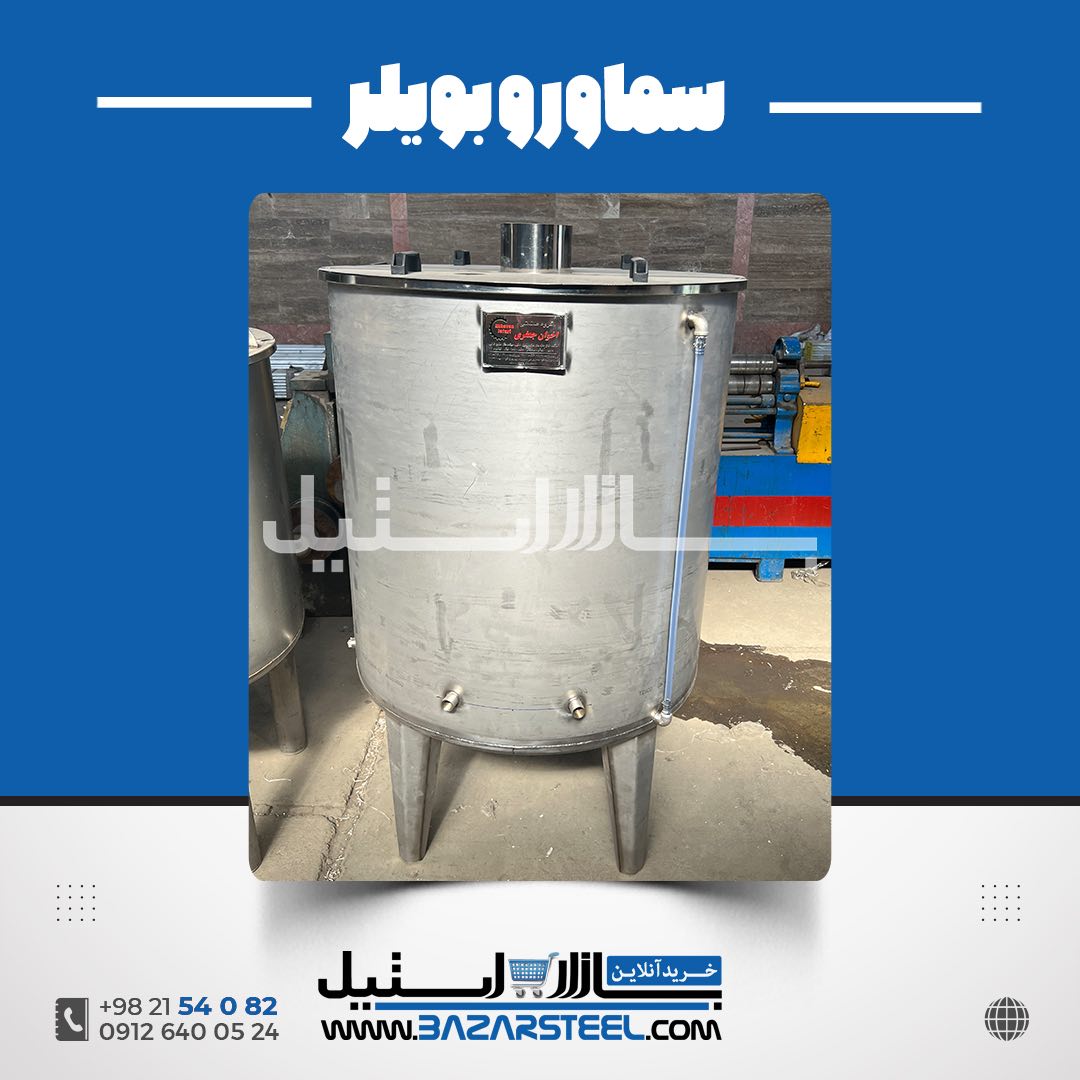
1. Vertical Tanks
- Space-efficient and ideal for stationary storage in factories.
- Available with capacities ranging from a few hundred liters to tens of thousands of liters.
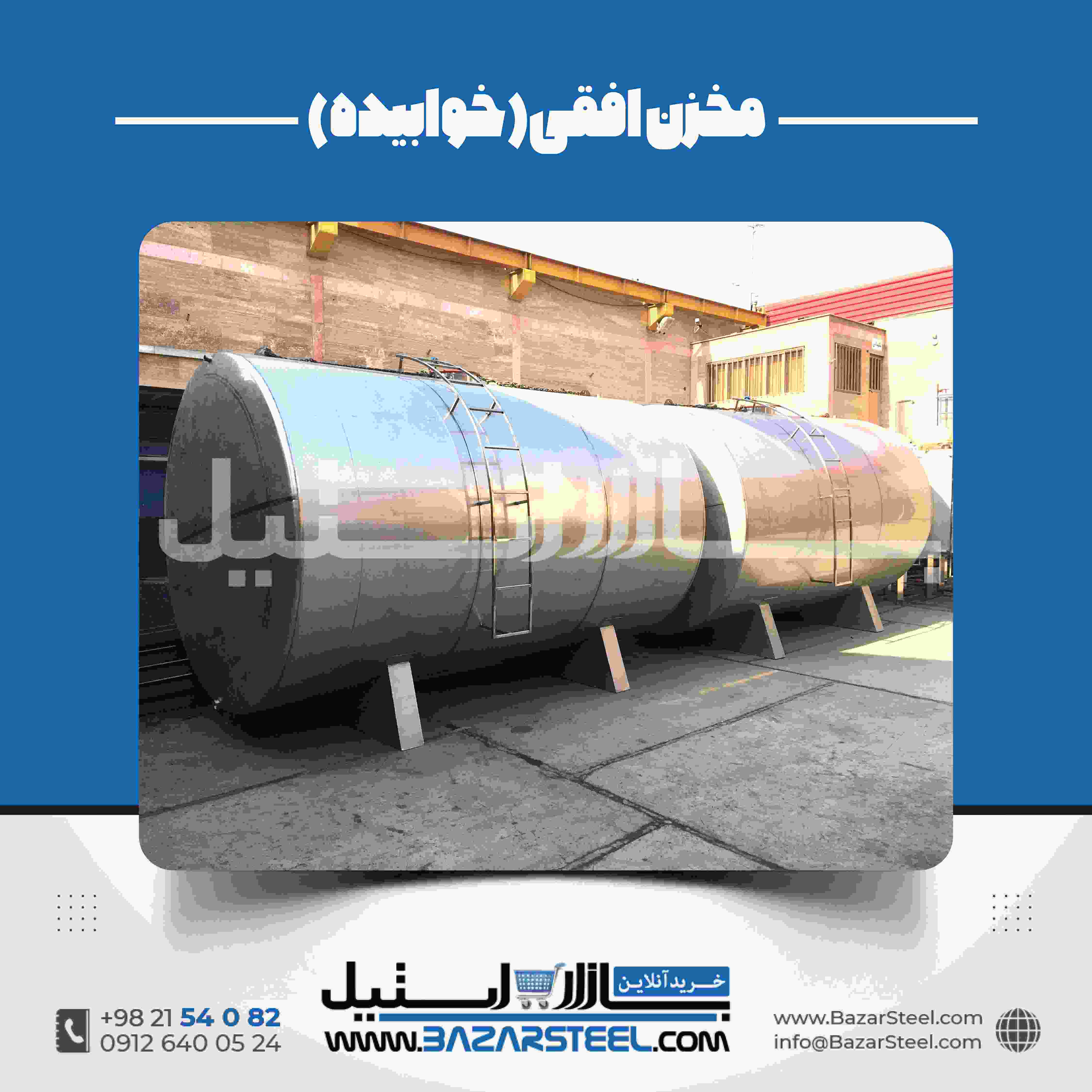
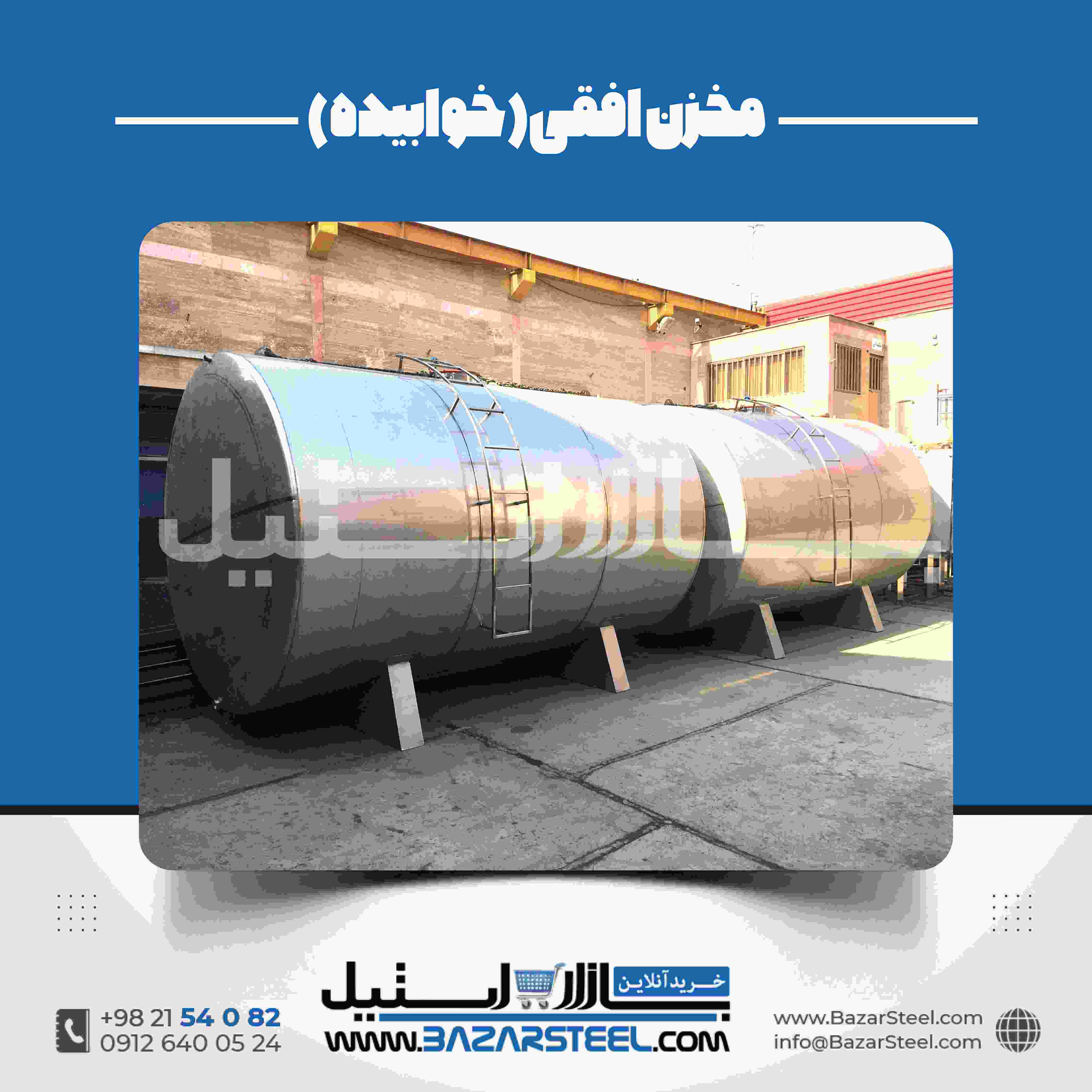
2. Horizontal Tanks
- Used in applications where the tank needs to be mounted or integrated into existing systems.
- Suitable for transportation of water and other liquids.
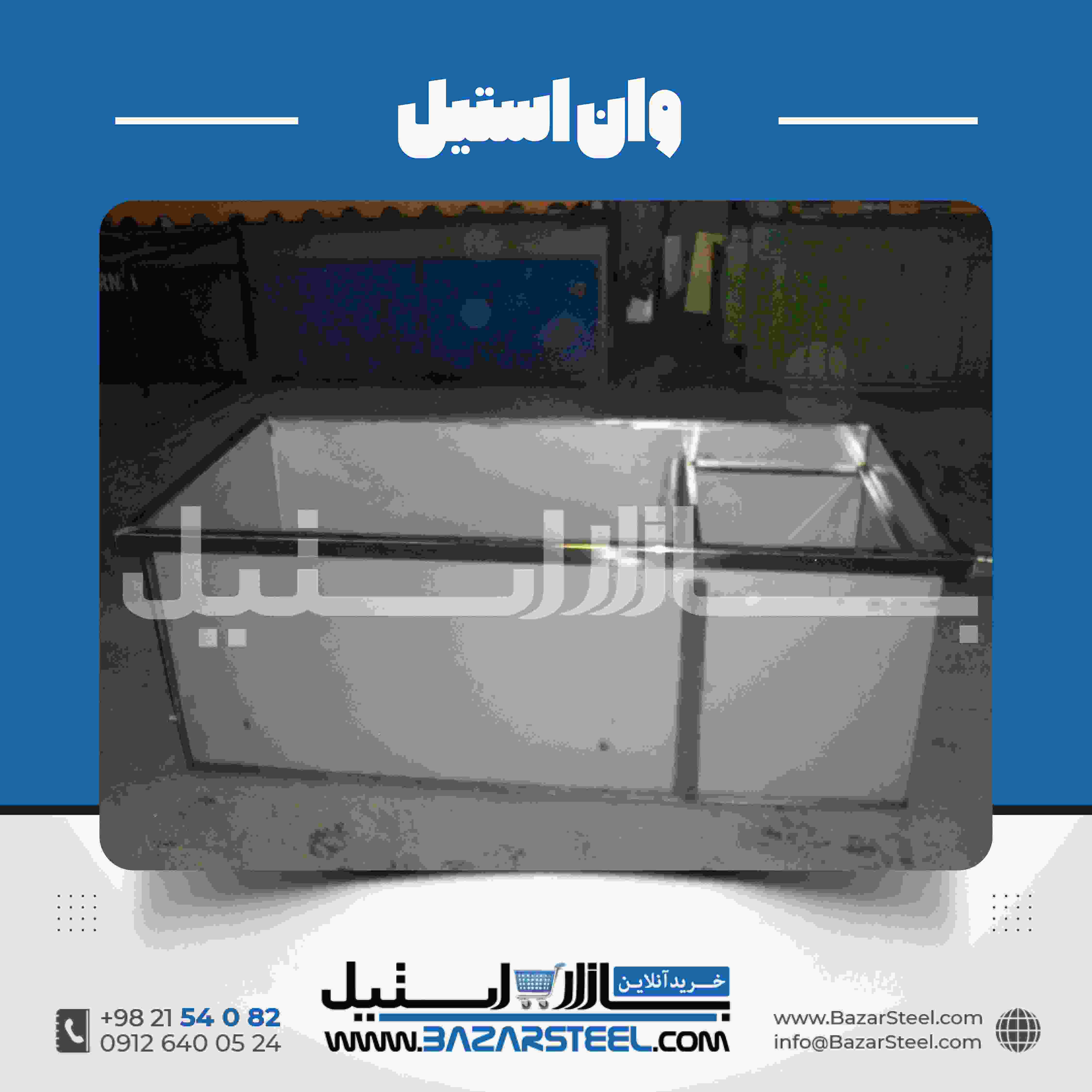
3. Rectangular or Modular Tanks
- Composed of stainless steel panels assembled on-site.
- Scalable design allows customization to specific capacities and dimensions.
4. Insulated Tanks
- Equipped with insulation layers to maintain water temperature.
- Ideal for industries requiring hot or cold water storage.
Advantages of Stainless Steel Water Tanks
1. Durability and Longevity
- Stainless steel resists corrosion, ensuring a service life of over 20 years.
- Can withstand extreme temperatures and harsh environmental conditions.
2. Hygiene and Safety
- Non-reactive surface prevents contamination of water by bacteria, algae, or rust.
- Meets international food-grade and potable water storage standards.
3. Maintenance-Free Design
- Smooth surface minimizes residue buildup, reducing cleaning and maintenance costs.
4. Sustainability
- Recyclable material contributes to environmental sustainability.
- Long lifespan minimizes the need for frequent replacements, reducing waste.
5. Aesthetic Appeal
- Modern and sleek appearance suitable for exposed installations.
6. Cost-Effectiveness
- Higher initial investment is offset by low maintenance and long-term reliability.
Technical Specifications of Stainless Steel Water Tanks
1. Material
- SS304: Standard-grade stainless steel suitable for potable and process water storage.
- SS316L: Enhanced corrosion resistance, ideal for storing treated or deionized water.
2. Capacity
- Ranges from 500 liters to over 100,000 liters, depending on industrial needs.
3. Dimensions
- Customizable based on space availability and storage requirements.
4. Fittings and Accessories
- Manholes: For inspection and cleaning.
- Inlet/Outlet Valves: Ensure smooth water flow and operational control.
- Vents: Prevent vacuum formation during filling or emptying.
- Overflow Protection: Prevents spillage during filling.
5. Insulation (Optional)
- Thermal insulation materials to maintain temperature stability.
Installation and Maintenance
Proper installation and maintenance ensure the optimal performance of stainless steel water tanks.
Installation Guidelines
- Site Preparation: Ensure a stable and level foundation to support the tank's weight.
- Positioning: Install tanks in accessible locations for inspection and cleaning.
- Connections: Secure all fittings and ensure leak-free connections.
- Anchoring: Use supports or saddles for horizontal tanks to prevent movement.
Maintenance Tips
- Regular Cleaning: Prevent sediment buildup by periodic cleaning of the tank interior.
- Inspection: Check for leaks, corrosion, or structural damage regularly.
- Testing: Conduct water quality tests to ensure stored water meets safety standards.
Environmental and Regulatory Compliance
Stainless steel water tanks meet international standards for safety and quality, ensuring compliance with industrial regulations.
Certifications
- NSF/ANSI 61: Certification for potable water safety.
- ISO Standards: Ensures durability and reliability in industrial applications.
- FDA Compliance: Required for food-grade water storage tanks.
Environmental Impact
- Stainless steel’s recyclability minimizes environmental waste.
- Resistant to leaks and spills, preventing contamination of soil or water sources.
Economic Benefits of Stainless Steel Water Tanks
Investing in stainless steel water tanks provides long-term cost savings and operational efficiency.
1. Reduced Maintenance Costs
- Requires minimal upkeep compared to tanks made of other materials.
2. Long Service Life
- Durable construction reduces the need for frequent replacements.
3. Versatility
- Adaptable to various applications, eliminating the need for multiple tank types.
Selecting the Right Stainless Steel Water Tank
Key Factors to Consider
- Capacity Requirements: Determine the volume of water needed for daily operations.
- Material Grade: Choose between SS304 and SS316L based on the nature of stored water.
- Space Availability: Ensure dimensions fit within the designated installation area.
- Customization Needs: Consider modular designs or additional features like insulation.
- Compliance Standards: Verify certifications for food-grade or potable water use.
Customization Options for Stainless Steel Water Tanks
Stainless steel water tanks can be customized to suit specific industrial requirements.
1. Capacity and Dimensions
- Scalable sizes for small-scale to large-scale operations.
2. Fittings and Valves
- Custom nozzles, overflow outlets, and drain valves to match system designs.
3. Insulation
- Thermal insulation for maintaining specific temperature ranges.
4. Surface Finish
- Mirror-polished or brushed finishes for aesthetic and functional preferences.
Conclusion
A stainless steel water tank is an essential investment for industrial businesses, offering unmatched durability, hygiene, and cost-efficiency. Whether you need water storage for manufacturing, food processing, or fire suppression, stainless steel tanks provide a reliable and long-lasting solution.
By understanding their applications, benefits, and technical specifications, entrepreneurs can make informed decisions to optimize their operations. For tailored solutions and expert guidance, consult a trusted supplier to ensure your stainless steel water storage system meets your industrial requirements.
[[ comment.description ]]
[[ reply.description ]]
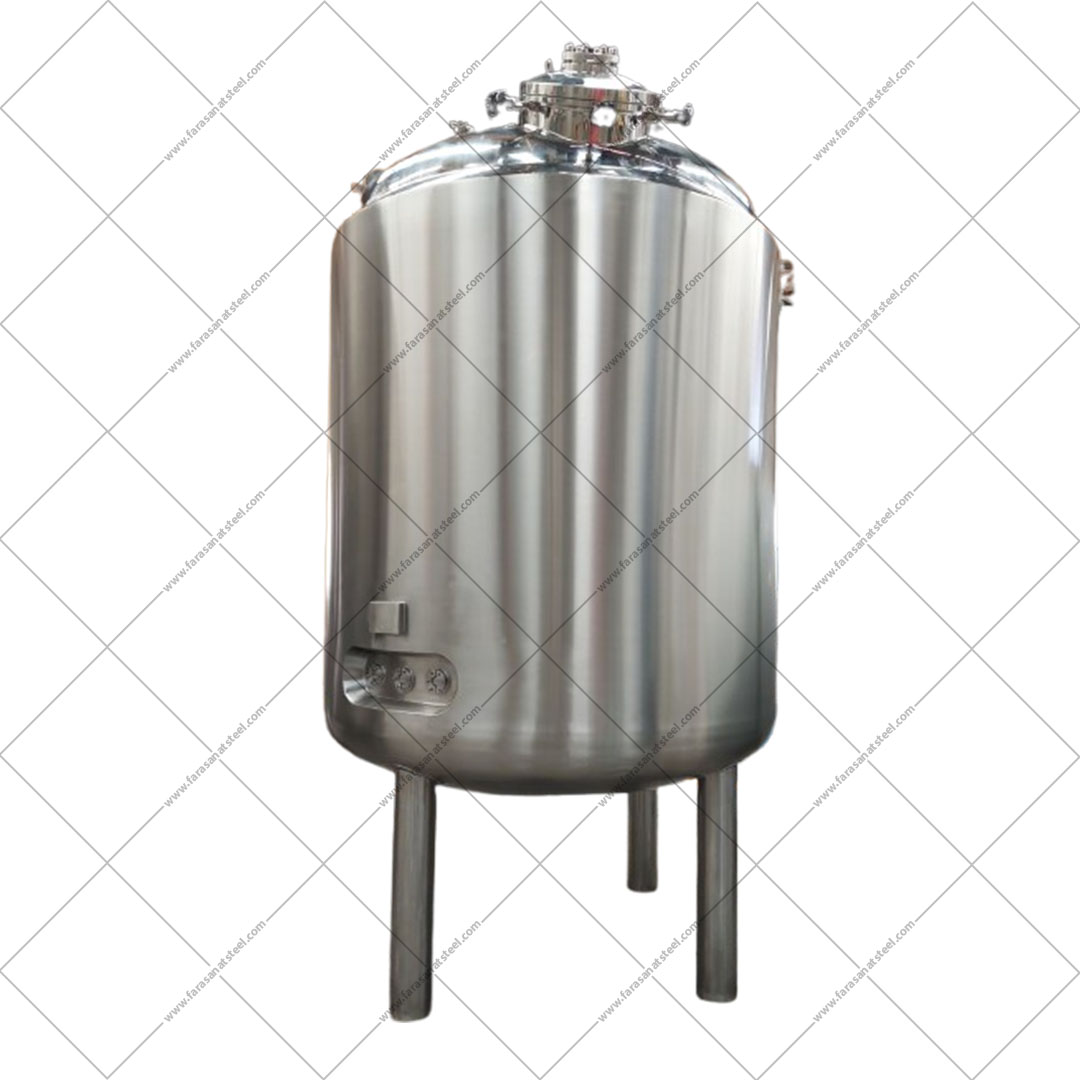
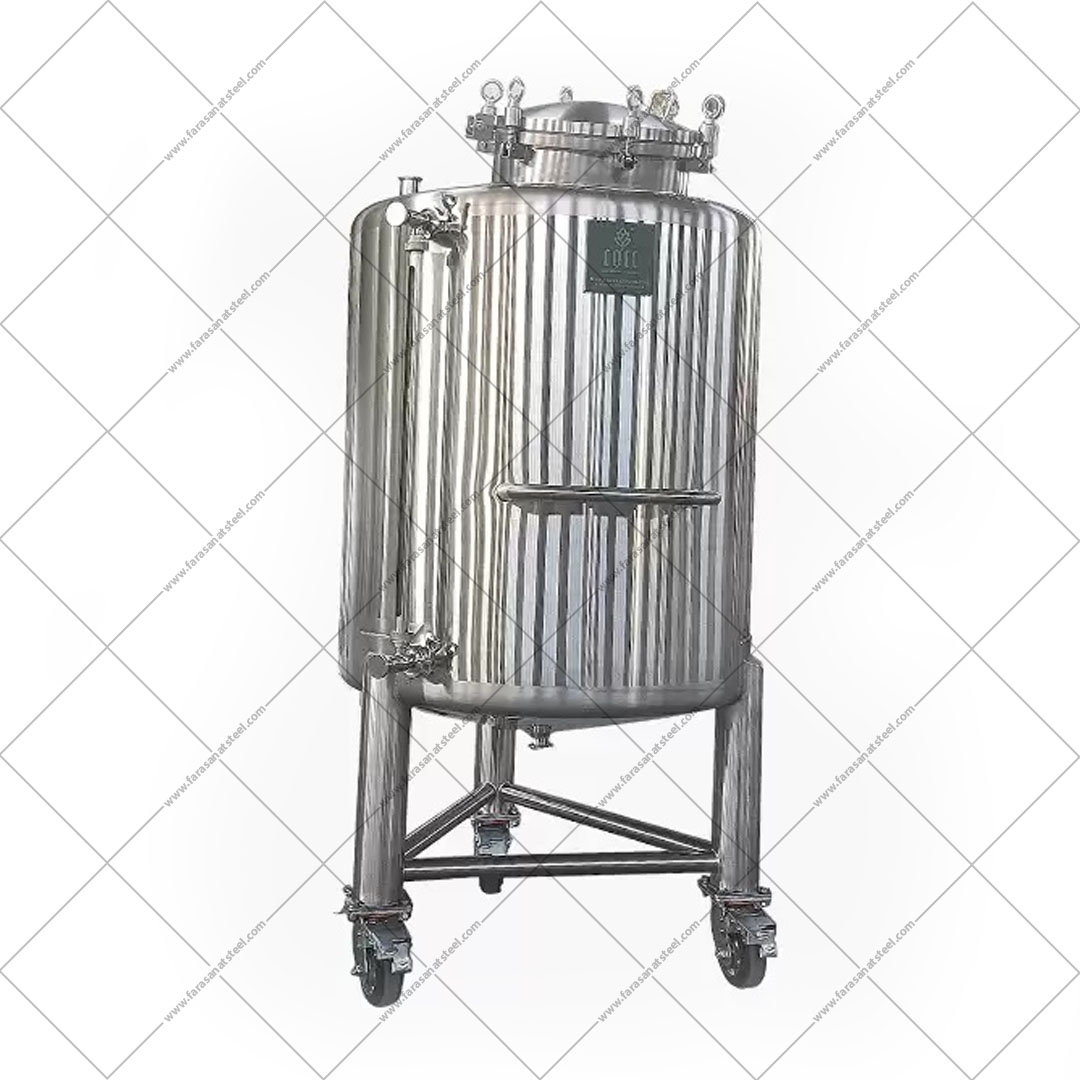
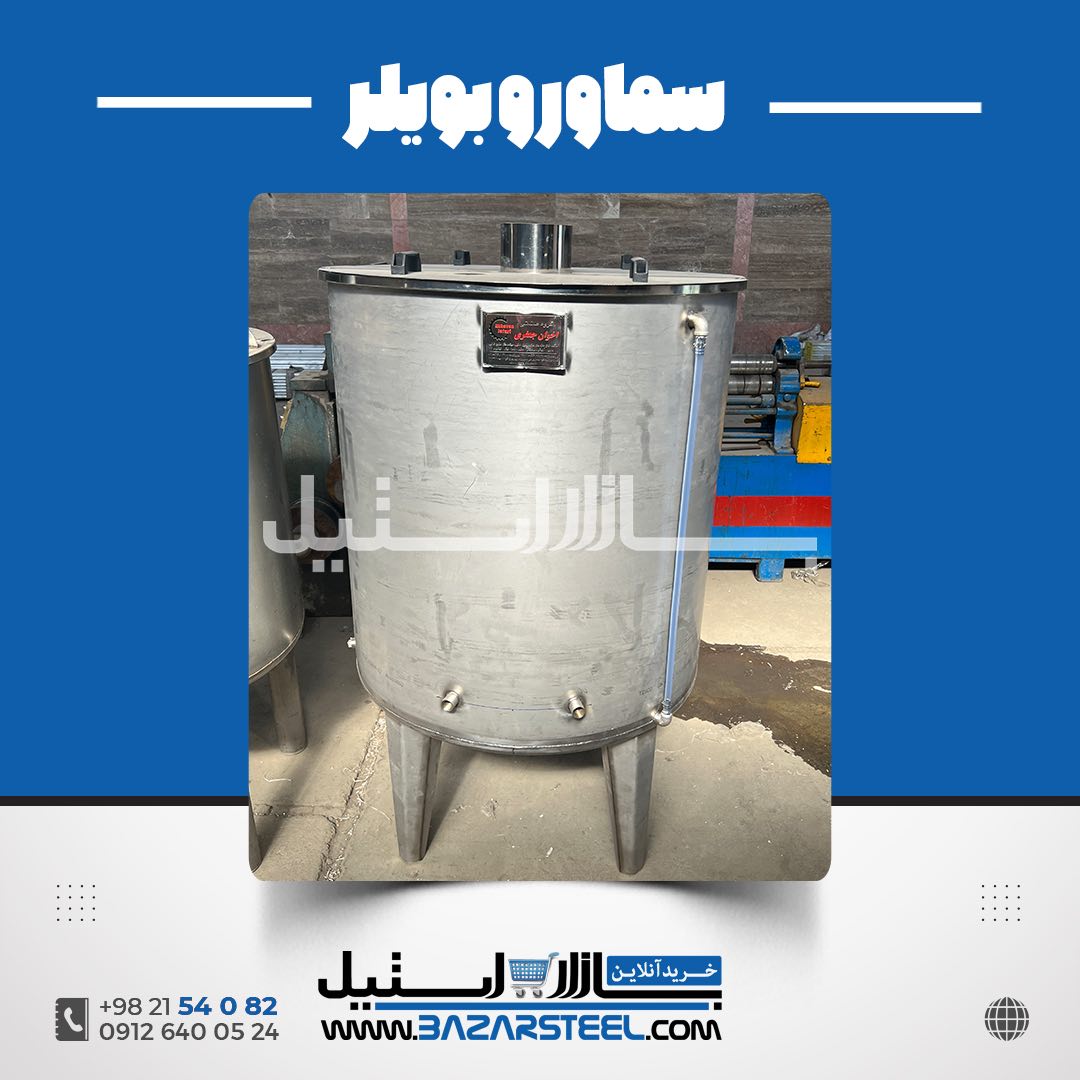
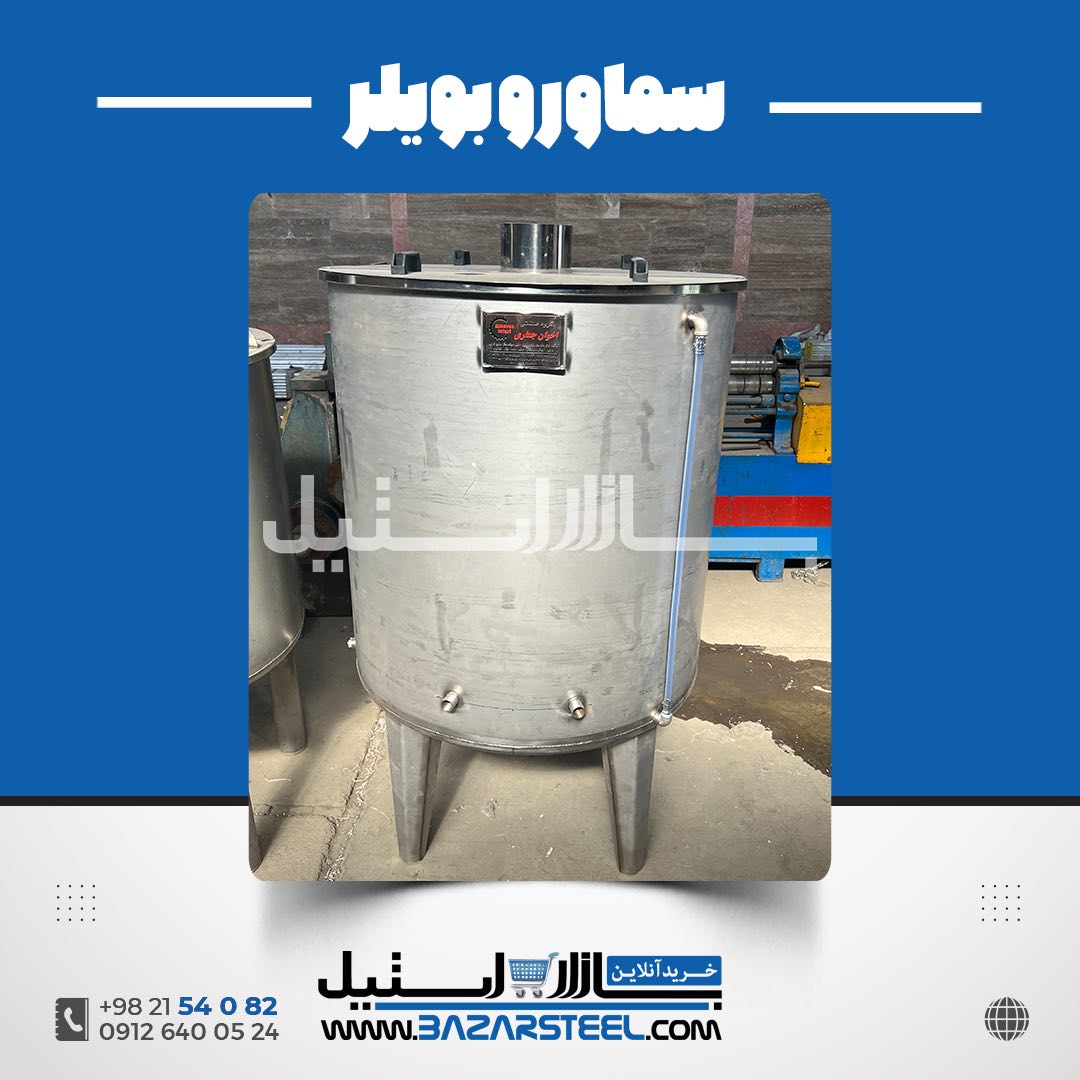
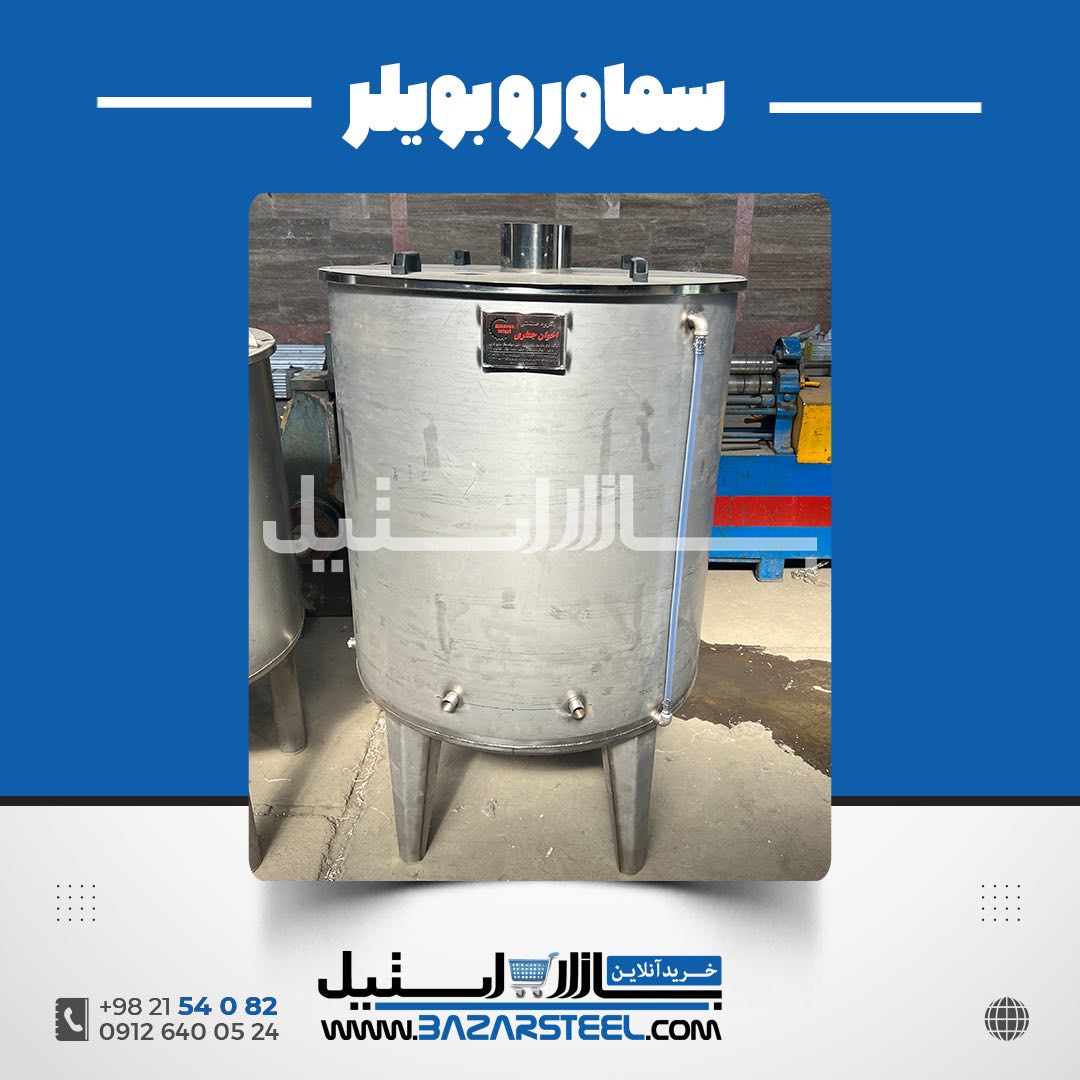
Stainless Steel Water Tanks
