Home / Product Categories / Machinery / مخازن / Stainless steel storage tanks / Horizontal Cylindrical Tank
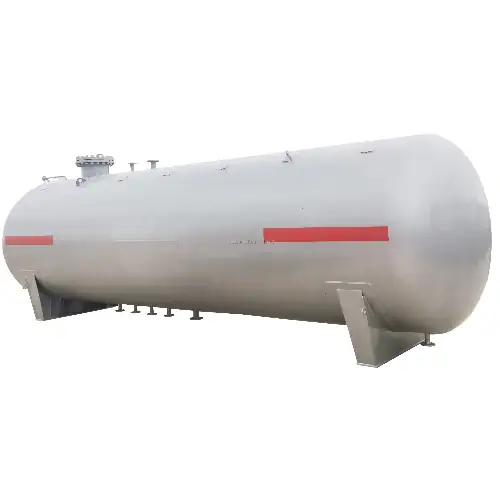
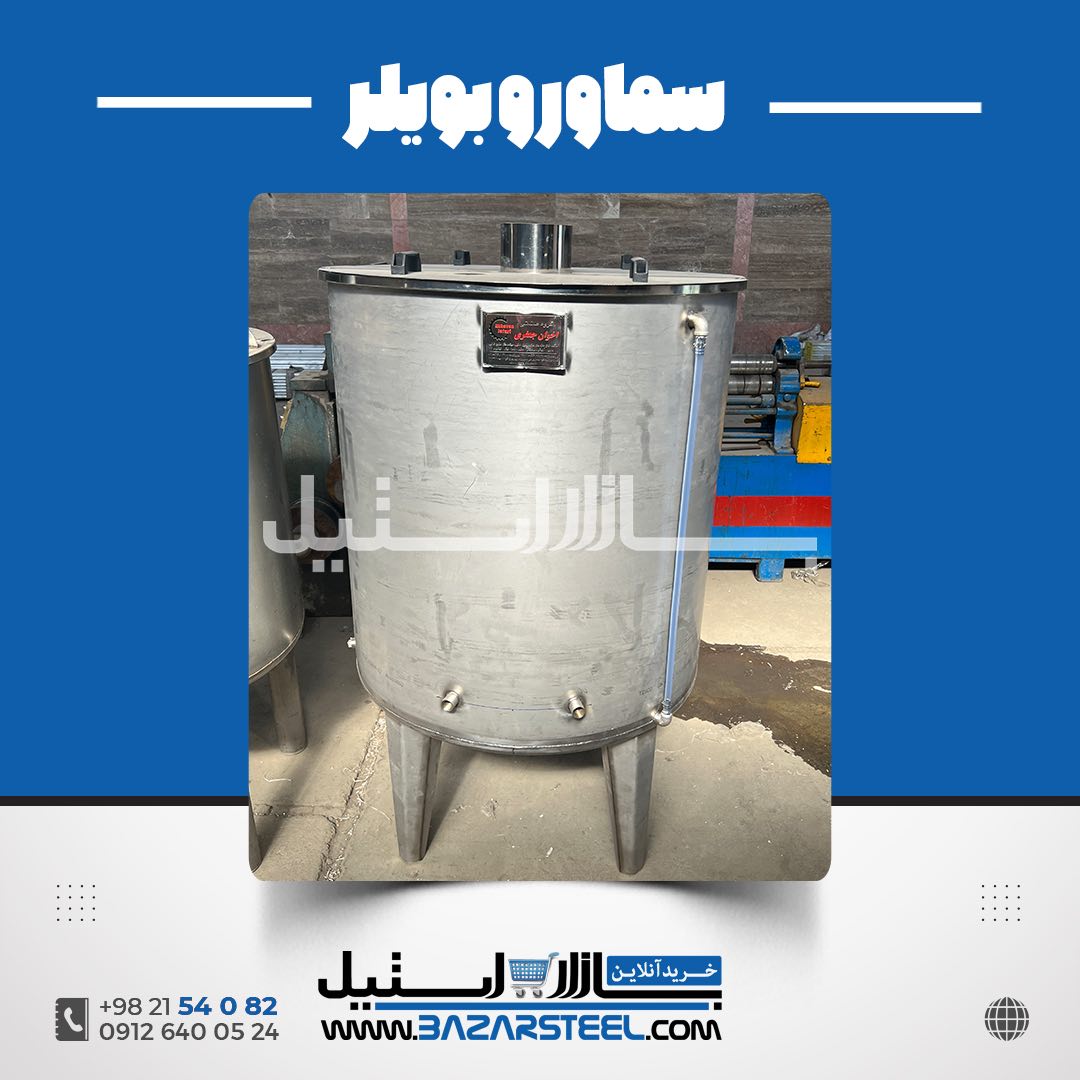
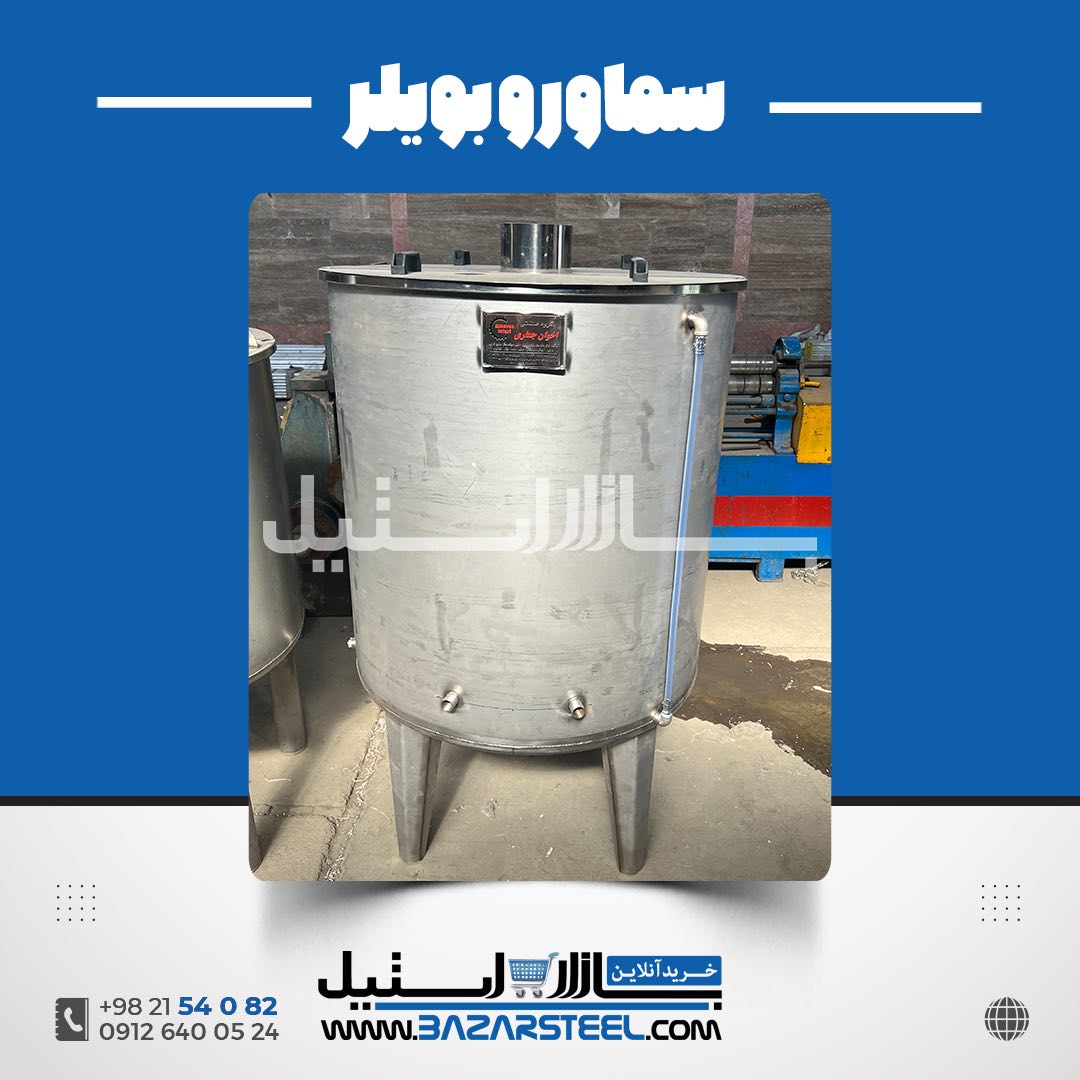
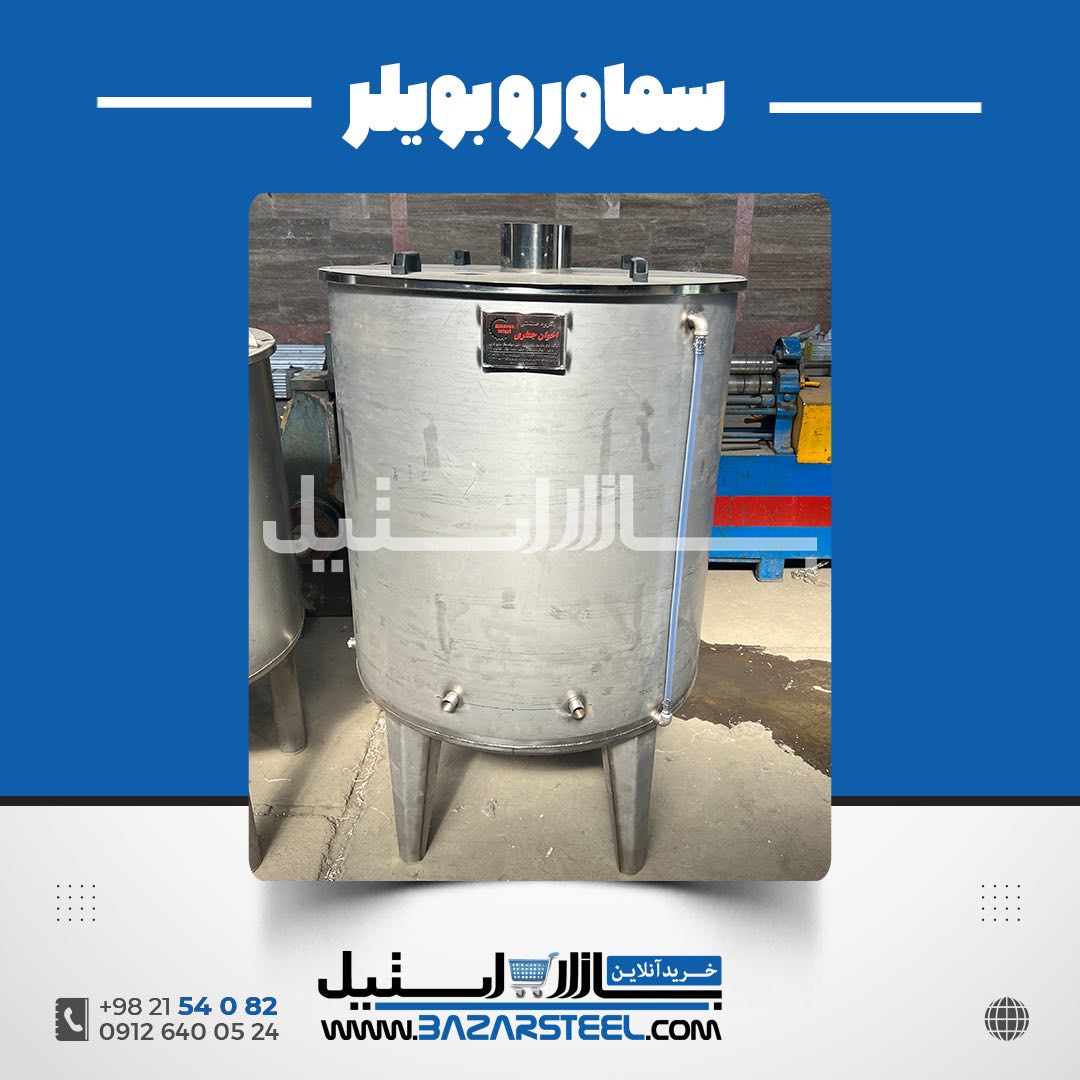
Horizontal Cylindrical Tank
5 / 4.0
Based on 4 Customer opinion
Horizontal cylindrical tanks are integral to industrial processes across various sectors. Their unique design makes them ideal for storing and transporting liquids, chemicals, fuels, and other materials.





Description
Horizontal Cylindrical Tanks: A Comprehensive Guide
Horizontal cylindrical tanks are integral to industrial processes across various sectors. Their unique design makes them ideal for storing and transporting liquids, chemicals, fuels, and other materials. Understanding their specifications, applications, and benefits is essential for entrepreneurs looking to set up industrial operations.
This guide provides a detailed overview of horizontal cylindrical tanks, including their design, materials, applications, and considerations for selection and operation.
What Are Horizontal Cylindrical Tanks?
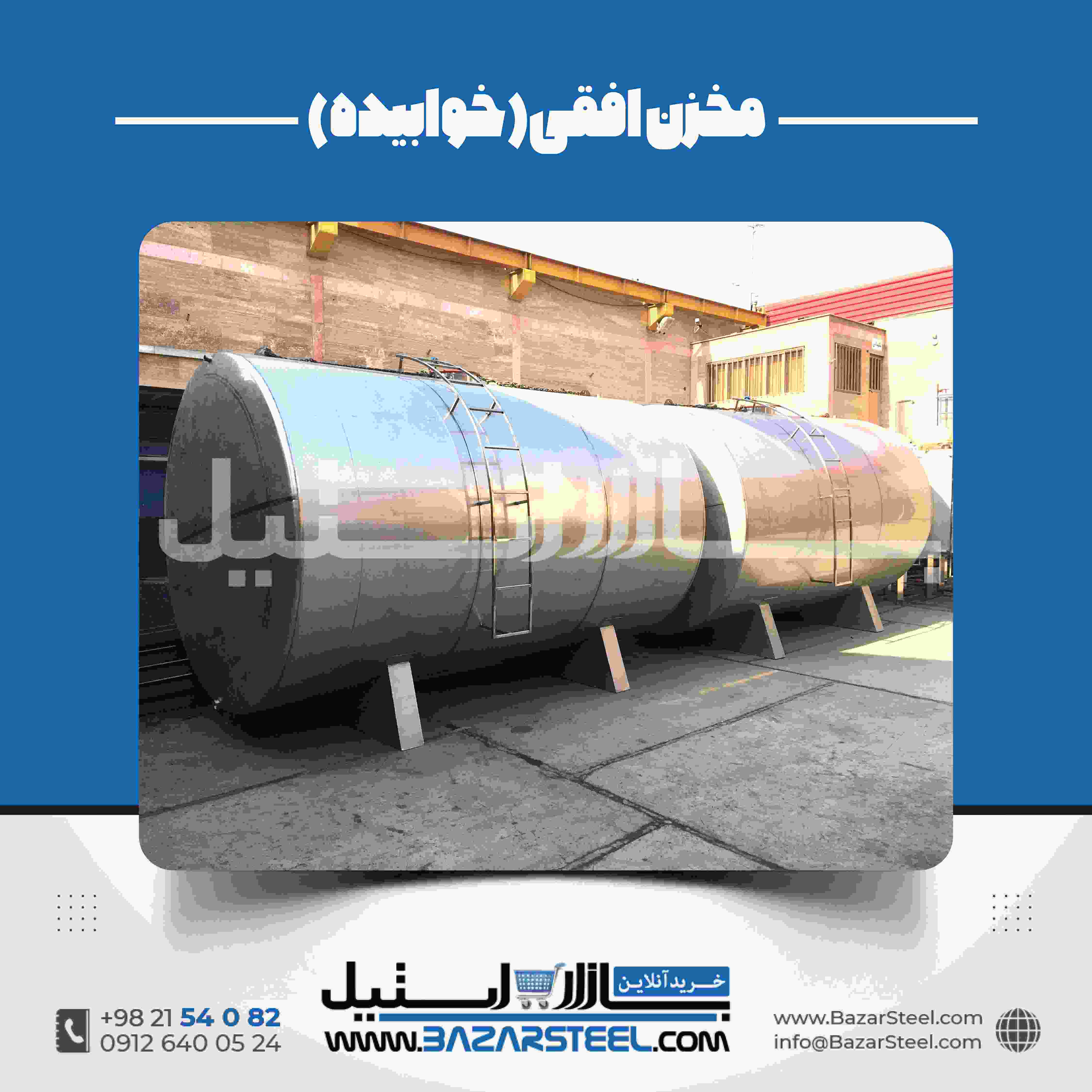
A horizontal cylindrical tank is a storage vessel with a cylindrical shape oriented horizontally, supported by saddles or a foundation. These tanks are widely used for the storage of liquids and gases under atmospheric or pressurized conditions.
Key Features of Horizontal Cylindrical Tanks
- Design: Cylindrical shape ensures even distribution of stress and resistance to pressure.
- Orientation: Horizontal alignment allows for easy installation, maintenance, and space optimization.
- Versatility: Suitable for storing a variety of substances, including water, fuel, chemicals, and more.
- Customization: Available in various capacities, materials, and configurations to suit industrial needs.
Applications of Horizontal Cylindrical Tanks
Horizontal cylindrical tanks are versatile and used in numerous industries due to their robust design and adaptability.
1. Industrial Storage
- Chemicals: Safely stores corrosive and non-corrosive chemicals.
- Fuel and Oil: Widely used in petroleum and fuel storage facilities.
- Water Storage: Ideal for potable and non-potable water storage in manufacturing plants.
2. Agriculture
- Fertilizer Storage: Used to store liquid fertilizers and agrochemicals.
- Irrigation Systems: Provides water storage for large-scale farming operations.
3. Transportation
- Horizontal cylindrical tanks mounted on trailers or trucks enable the safe and efficient transport of liquids such as fuel, milk, or chemicals.
4. Food and Beverage Industry
- Stores liquid ingredients like oils, syrups, and dairy products under hygienic conditions.
5. Environmental Applications
- Used in wastewater treatment plants for temporary storage of treated water or sludge.
Types of Horizontal Cylindrical Tanks
Horizontal cylindrical tanks are classified based on their materials, design, and intended use.
1. Atmospheric Storage Tanks
- Operates at ambient pressure.
- Typically used for water, oil, or chemical storage.
- Cost-effective option for non-pressurized liquids.
2. Pressurized Tanks
- Designed to handle internal pressures higher than atmospheric pressure.
- Commonly used in the chemical and petroleum industries.
3. Single-Walled Tanks
- Basic structure with a single layer of material.
- Suitable for non-hazardous and less sensitive materials.
4. Double-Walled Tanks
- Features an inner and outer wall for added protection.
- Essential for storing hazardous substances to prevent leaks and environmental contamination.
Materials Used in Horizontal Cylindrical Tanks
The choice of material depends on the substance to be stored and operational conditions.
1. Carbon Steel
- Cost-effective and durable.
- Suitable for fuel, oil, and water storage.
2. Stainless Steel
- Resistant to corrosion and chemical reactions.
- Ideal for food, beverage, and pharmaceutical applications.
3. Fiberglass Reinforced Plastic (FRP)
- Lightweight and corrosion-resistant.
- Commonly used for chemical storage.
4. Polyethylene
- Non-reactive and economical.
- Best suited for water and some chemicals.
Technical Specifications
Horizontal cylindrical tanks are available in various configurations, each with specific technical attributes. Below are common specifications:
1. Capacity
- Ranges from 500 liters to over 100,000 liters, depending on the application.
2. Dimensions
- Length and diameter vary based on storage needs and available space.
3. Wall Thickness
- Determined by operational pressure and stored material.
- Pressurized tanks require thicker walls.
4. Design Pressure
- Can handle both atmospheric and pressurized conditions.
- Typical pressure ratings are between 0.2 MPa and 1.0 MPa for pressurized tanks.
5. Connections and Fittings
- Include nozzles, vents, manholes, and drain ports for functionality and maintenance.
Advantages of Horizontal Cylindrical Tanks
1. Structural Strength
- Cylindrical design minimizes stress concentrations and improves pressure resistance.
2. Space Optimization
- Horizontal orientation allows for efficient use of available space.
- Can be stacked or placed on compact foundations.
3. Versatility
- Suitable for a wide range of applications and industries.
4. Durability
- Built to withstand harsh environmental and operational conditions.
5. Cost-Effectiveness
- Available in various materials and configurations to suit different budgets.
Considerations for Selecting Horizontal Cylindrical Tanks
Choosing the right tank requires evaluating several factors to ensure compatibility with industrial requirements.
1. Capacity and Dimensions
- Determine the volume of material to be stored.
- Ensure the tank size aligns with the available installation space.
2. Material Selection
- Match the tank material with the chemical properties of the stored substance.
- Consider corrosion resistance, durability, and hygiene requirements.
3. Operational Conditions
- Assess pressure, temperature, and environmental factors.
- Choose pressurized or atmospheric tanks based on application needs.
4. Compliance with Standards
- Ensure the tank meets industry standards like ASME, API, or ISO.
- Check for certifications for hazardous material storage.
5. Maintenance Requirements
- Opt for designs with easy access for cleaning and inspections.
- Tanks with anti-corrosion coatings or liners reduce maintenance demands.
Installation and Maintenance
Proper installation and regular maintenance are critical for the safe and efficient operation of horizontal cylindrical tanks.
Installation Guidelines
- Foundation Preparation: Ensure a stable and level foundation for tank support.
- Proper Anchoring: Use saddles or supports to secure the tank.
- Fittings and Connections: Ensure all nozzles, vents, and valves are correctly installed.
Maintenance Tips
- Regular Inspections: Check for leaks, corrosion, or structural damage.
- Cleaning: Periodically clean the interior to prevent contamination.
- Pressure Testing: For pressurized tanks, test pressure ratings to ensure safety.
Environmental and Safety Considerations
Horizontal cylindrical tanks play a significant role in environmental protection and safety compliance.
Environmental Impact
- Double-walled tanks prevent leaks and reduce the risk of soil and water contamination.
- Use tanks with proper coatings to mitigate corrosion and environmental damage.
Safety Measures
- Install vents and pressure relief valves to prevent over-pressurization.
- Ensure proper labeling and signage for hazardous materials.
Economic and Operational Benefits
Investing in horizontal cylindrical tanks offers several long-term benefits for industrial operations.
1. Cost Efficiency
- Long service life and low maintenance requirements reduce operational costs.
- Scalable options allow for expansion as the business grows.
2. Enhanced Productivity
- Streamlines storage and transport processes.
- Ensures efficient material handling and inventory management.
3. Sustainability
- Recyclable materials like stainless steel minimize environmental impact.
- Double-walled tanks ensure safe handling of hazardous substances.
Conclusion
Horizontal cylindrical tanks are a cornerstone of industrial infrastructure, offering versatility, durability, and cost-effectiveness for a wide range of applications. Whether for chemical storage, water treatment, or fuel transportation, these tanks provide a reliable solution tailored to industrial needs.
Entrepreneurs establishing factories should carefully evaluate their storage requirements, operational conditions, and compliance needs to select the most suitable tank. Consulting with experienced suppliers ensures access to high-quality products and customized solutions.
For more information or assistance in selecting the right horizontal cylindrical tank, contact our team of experts today.
[[ comment.description ]]
[[ reply.description ]]
Horizontal Cylindrical Tank
