Home / Product Categories / Machinery / ماشین آلات قطعات خودرو / خط تولید لنت / Brake Pad Mixer Machine
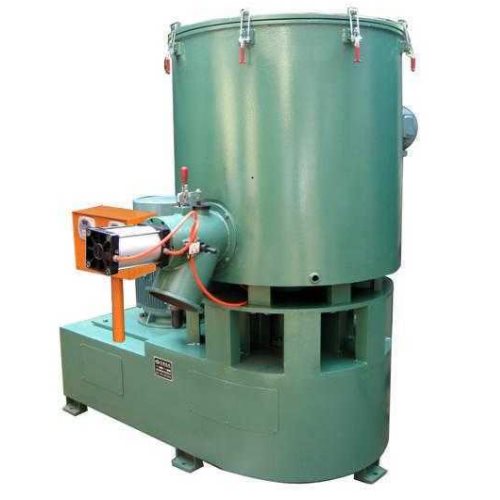
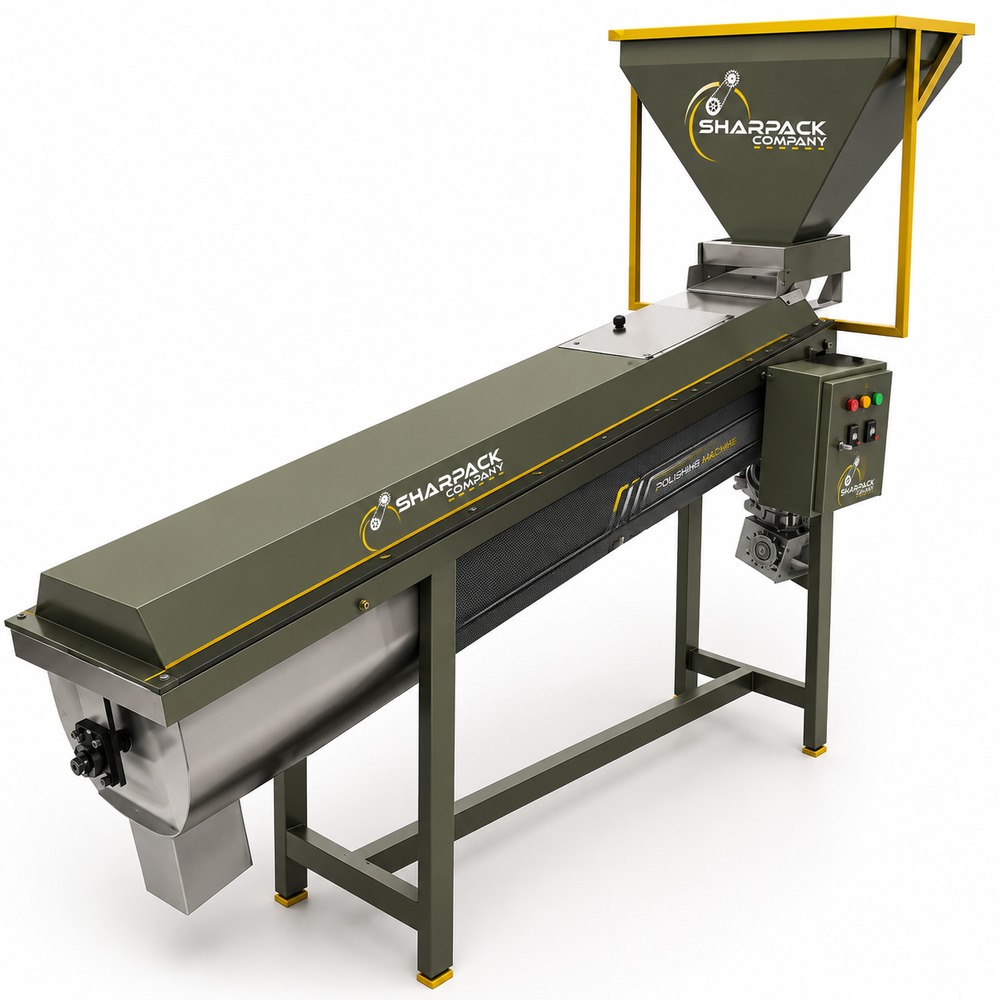
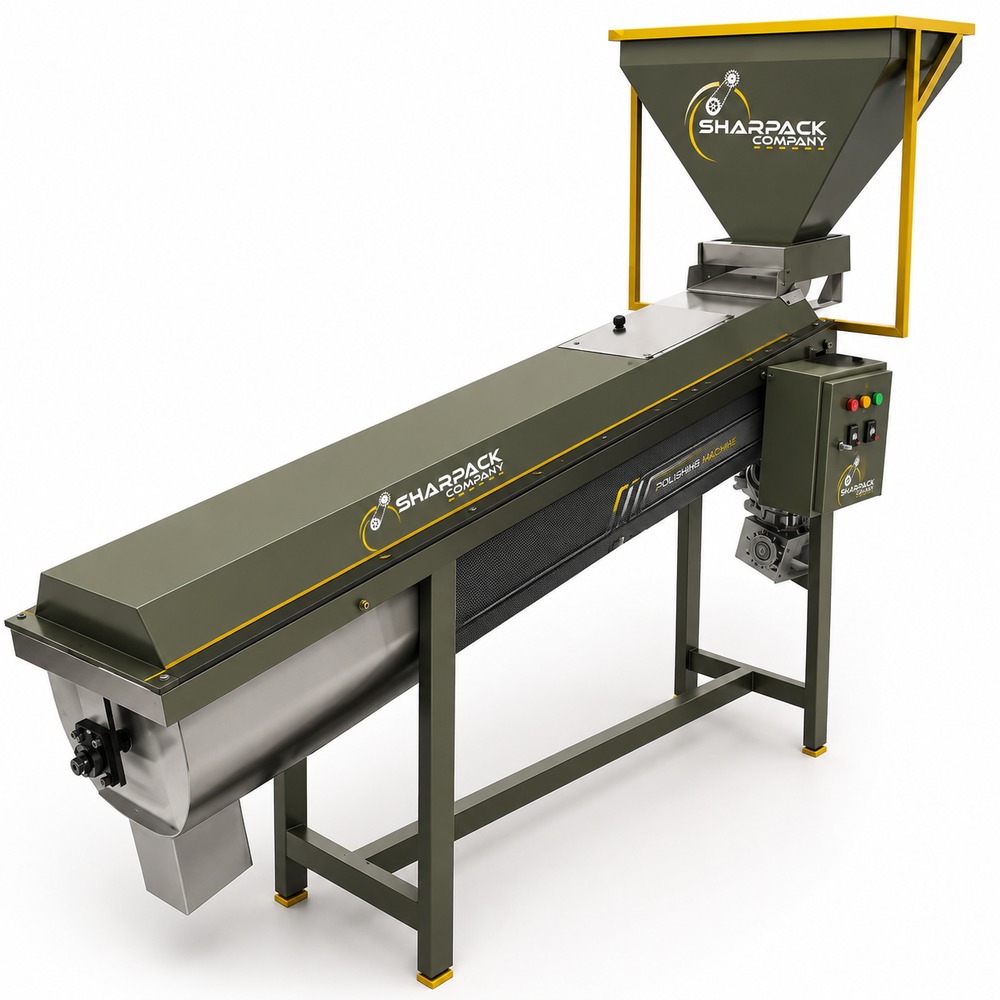
Brake Pad Mixer Machine
5 / 4.5
Based on 4 Customer opinion
The Brake Pad Mixer Machine is a specialized piece of equipment designed for efficiently mixing and blending raw materials used in the production of brake pads.





Description
Brake Pad Mixer Machine: Comprehensive Overview
The Brake Pad Mixer Machine is a specialized piece of equipment designed for efficiently mixing and blending raw materials used in the production of brake pads. It incorporates advanced mechanisms to ensure a homogeneous mixture of fibers, granules, and other components. This machine is an essential tool in brake pad manufacturing, enabling consistent quality and optimized material performance.
I. Introduction to the Brake Pad Mixer
Purpose
The Brake Pad Mixer is engineered to mix the raw materials required for brake pad production. Its design ensures thorough blending, cutting, and homogenization of fibers and other additives.
Key Features
Vertical Blade Mechanism:
The machine features a vertical stirring blade capable of adjusting its angle to enhance the mixing process.
Cooling Compatibility:
Supports water cooling systems to maintain optimal temperatures during mixing.
Anti-Settling Design:
Prevents sedimentation of granular and particulate materials, ensuring a uniform mix.
No Heating Required for Resin:
Eliminates the need for resin pre-heating, streamlining the production process.
Versatile Mixing Techniques:
Adaptable to different techniques and formulations, allowing for flexibility in brake pad production.
II. Technical Specifications of the Brake Pad Mixer
|
Feature |
Details |
|
Mixing Capacity |
200–500 kg |
|
Mixing Time |
10–15 minutes |
|
Motor Power |
30 kW |
|
Tank Capacity |
500 L (scalable for larger sizes up to 500 kg) |
|
Machine Weight |
Approx. 150–250 kg |
III. Key Advantages of the Brake Pad Mixer
1. Efficient Mixing Mechanism
Equipped with vertical stirring blades, the mixer achieves superior blending and ensures even distribution of fibers and granules.
The adjustable blade angle allows customization based on material properties and mixing requirements.
2. Rapid and Uniform Mixing
A mixing time of 10–15 minutes ensures high productivity while delivering a uniform mixture essential for brake pad quality.
3. Enhanced Material Handling
Prevents sedimentation and ensures all materials, including granules and particulates, remain evenly distributed.
No need for pre-heating resin, reducing preparation time and energy consumption.
4. Cooling Compatibility
Supports water-based cooling systems, enabling temperature control during high-intensity mixing operations to preserve material integrity.
5. Customizable Tank Sizes
Standard capacity of 500 liters can be tailored for larger-scale production up to 500 kg, meeting diverse manufacturing needs.
IV. Applications of the Brake Pad Mixer
The Brake Pad Mixer is versatile and can be employed in various production scenarios, including:
Brake Pad Manufacturing: Ensures homogeneous mixing of fibers, resin, and additives for high-quality brake pads.
Friction Material Production: Ideal for mixing friction components used in industrial applications.
Composite Materials: Blends materials for composite production with high precision and efficiency.
V. Operational Workflow of the Brake Pad Mixer
1. Loading Materials
Raw materials, including fibers, granules, and resin, are loaded into the 500-liter mixing tank.
2. Initiating the Mixer
The motor activates the vertical blade, starting the cutting and blending process.
The blade angle can be adjusted to optimize the mix based on material properties.
3. Mixing Phase
Materials are blended for 10–15 minutes, ensuring a consistent and uniform mixture.
The cooling system maintains optimal temperatures, preventing material degradation.
4. Unloading
The finished mixture is discharged, ready for further processing or molding in the brake pad production line.
VI. Advantages for Brake Pad Manufacturers
1. Increased Efficiency
High-speed blending reduces production time, enabling manufacturers to meet higher output demands.
2. Improved Product Quality
Uniform mixing ensures that all components are evenly distributed, enhancing the structural and functional integrity of brake pads.
3. Cost-Effectiveness
Eliminates the need for additional pre-heating equipment, reducing operational costs.
Scalable tank sizes allow manufacturers to optimize production volumes without investing in multiple machines.
VII. Maintenance and Best Practices
1. Routine Cleaning
Regularly clean the mixing tank and blades to prevent material buildup and ensure consistent performance.
2. Blade Inspection
Periodically check the vertical blade for wear and tear; replace or sharpen as needed to maintain efficiency.
3. Cooling System Maintenance
Inspect the water cooling system for leaks or blockages to ensure uninterrupted temperature control.
4. Motor and Drive Maintenance
Check the motor and drive system for alignment and lubrication to prevent mechanical issues.
VIII. Conclusion
The Brake Pad Mixer Machine is a cornerstone of brake pad production, offering unparalleled efficiency, adaptability, and precision. Its innovative design and robust construction make it an invaluable tool for manufacturers seeking to produce high-quality brake pads at scale.
By investing in a versatile and reliable mixer, manufacturers can streamline their production process, reduce costs, and maintain consistent product quality. Contact us today to learn more about this high-performance mixing solution and how it can elevate your production capabilities.
[[ comment.description ]]
[[ reply.description ]]
Related Products

Brake Pad Mixer Machine
