Home / Product Categories / Machinery / مخازن / Stainless steel storage tanks / aluminum tank industries
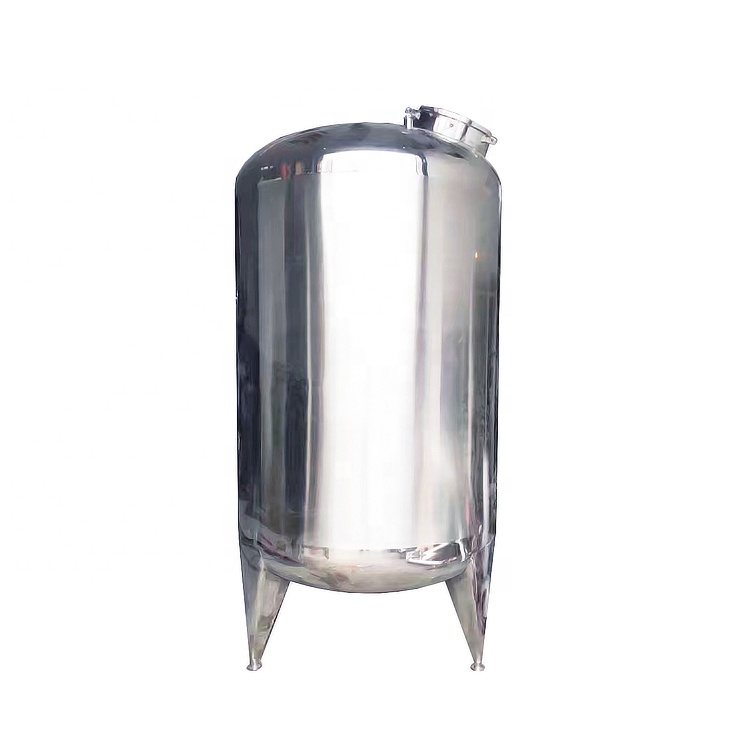
aluminum tank industries
5 / 4.0
Based on 2 Customer opinion
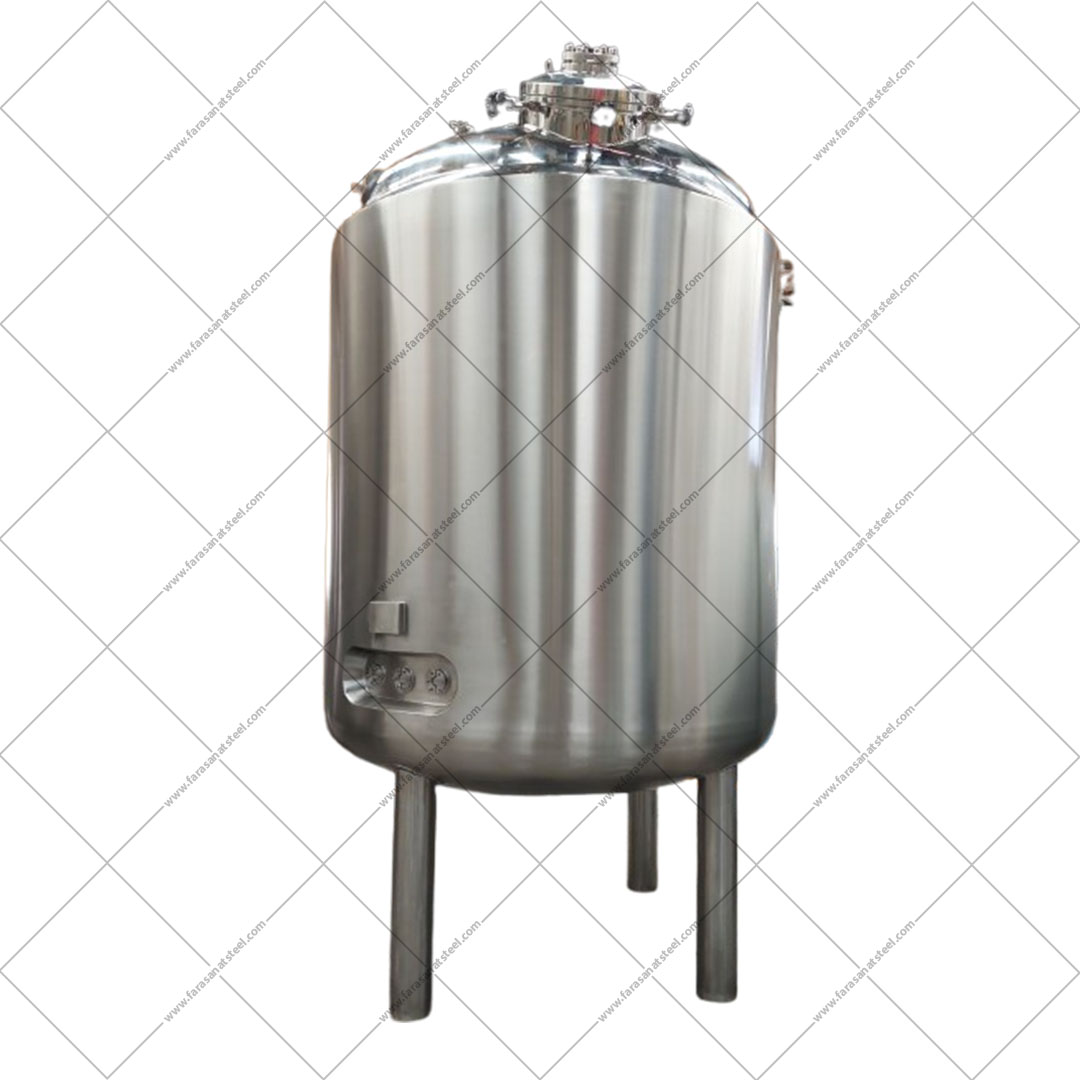
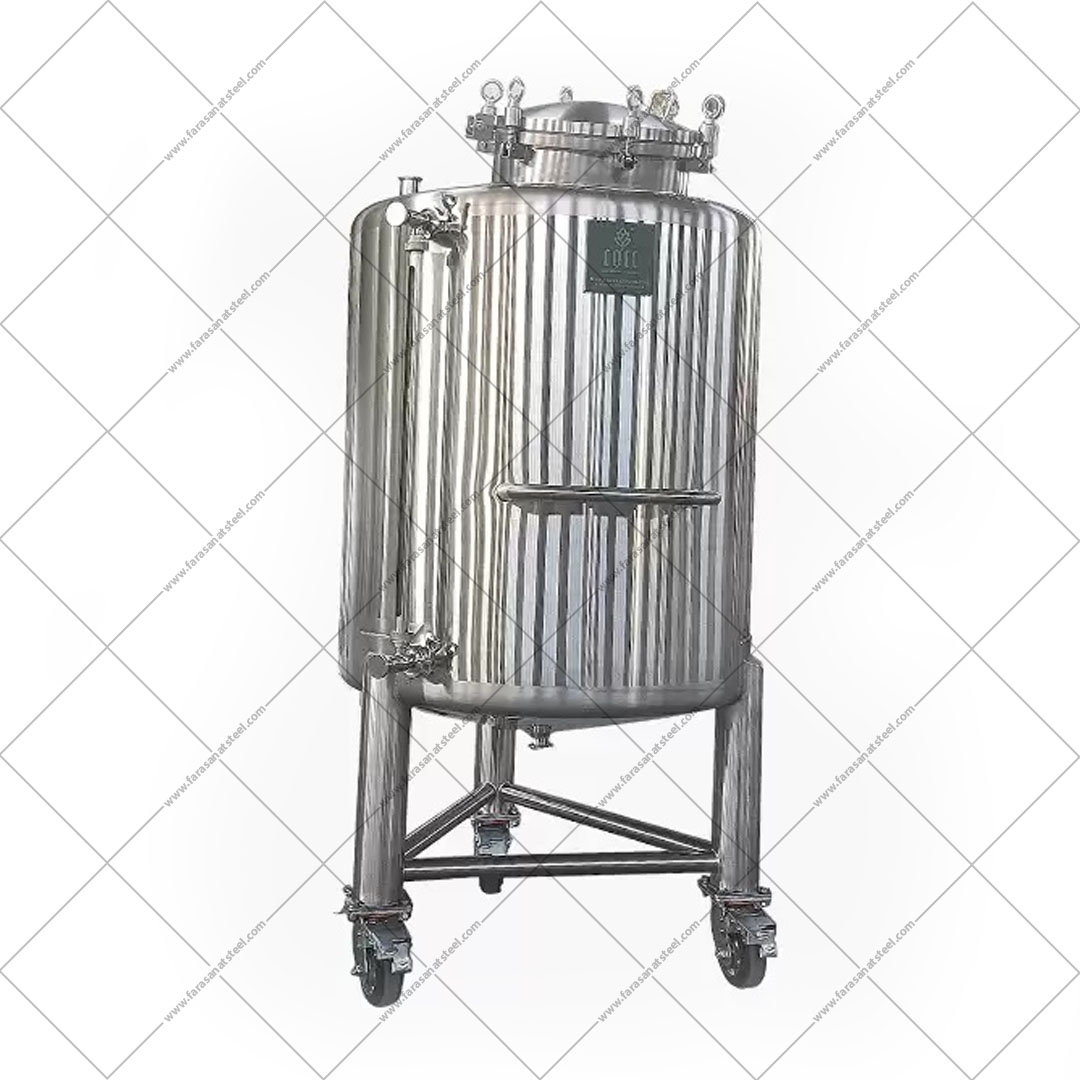
This aluminum tank can be used in the food and dairy industries and is reasonably priced and durable. This tank is made of single-wall, double-wall, and triple-wall materials and also has mixers with different speeds.





Description
Comprehensive Guide to Aluminum Tanks for Industrial Applications
In the industrial world, storage and transportation solutions are critical to ensuring efficient and safe operations. Aluminum tanks are versatile, lightweight, and durable options widely used across industries for storing and transporting liquids, gases, and semi-solids. Their unique properties make them an excellent choice for industrial entrepreneurs looking to optimize their processes and establish reliable systems for their factories.
This guide explores the design, applications, advantages, and considerations of aluminum tanks, offering detailed insights for industrial professionals.
What Are Aluminum Tanks?
An aluminum tank is a storage vessel crafted from aluminum, designed to hold various substances, including water, chemicals, fuels, and food-grade liquids. Aluminum’s natural properties, such as corrosion resistance and light weight, make these tanks a practical and efficient choice for industrial and commercial applications.
Key Features of Aluminum Tanks
- Lightweight Construction: Aluminum is significantly lighter than steel, making these tanks easy to handle and transport.
- Corrosion Resistance: Aluminum naturally resists rust, reducing maintenance requirements.
- Customizable Designs: Available in various sizes, shapes, and configurations to meet industry-specific needs.
- Durability: Aluminum tanks withstand environmental stresses and physical impacts, offering long-term reliability.
Aluminum Food (Liquid) Tank Features
Some types of pressure tanks have cooling depending on the food. For example, a steel milk storage tank has cooling, and some other foods require a tank with the ability to keep warm. This heating and cooling capability keeps food safe and fresh and ensures safe storage of raw materials.
The body of these aluminum tanks is made with full polishing, which makes the tanks easy and simple to clean, hard and impenetrable to dirt accumulation, and corrosion resistance.
In addition to the robust body, quality tanks have an insulation layer with hard polyfoam and low thermal and cold conductivity, which makes the temperature of the raw materials uniform and suitable.
The compressor that is present in advanced tanks saves energy with proper performance and prevents damage.
What tanks are suitable for storing milk? Completely hygienic steel tanks
How many types of steel tanks are there? There are various types such as metal tanks with steel sheets, galvanized tanks, polyethylene tanks, fiberglass tanks, polypropylene tanks, titanium tanks
What alloys are used to make tanks? 200 series alloy steel, 300 series alloy steel, 400 series alloy steel and ...
Applications of Aluminum Tanks
Aluminum tanks are highly versatile and play an essential role in various industries.
1. Automotive and Transportation
- Fuel Tanks: Lightweight and durable, aluminum fuel tanks improve vehicle efficiency.
- Hydraulic Fluid Reservoirs: Used in heavy machinery for hydraulic systems.
2. Food and Beverage Industry
- Storage of Edible Liquids: Ideal for storing milk, juices, and syrups.
- Beverage Transport: Maintain the purity of liquids during transportation.
3. Chemical Industry
- Storage of Corrosive Substances: Aluminum tanks handle mild chemicals and solvents.
- Mixing Tanks: Used in processes requiring durable, non-reactive storage.
4. Marine and Aerospace
- Marine Fuel Tanks: Lightweight and resistant to saltwater corrosion.
- Aircraft Fuel Systems: Used in aviation for reducing overall weight while maintaining strength.
5. Water Treatment
- Storage Tanks: Used for potable water and wastewater treatment.
- Rainwater Harvesting Systems: Aluminum tanks store collected rainwater safely.
Types of Aluminum Tanks
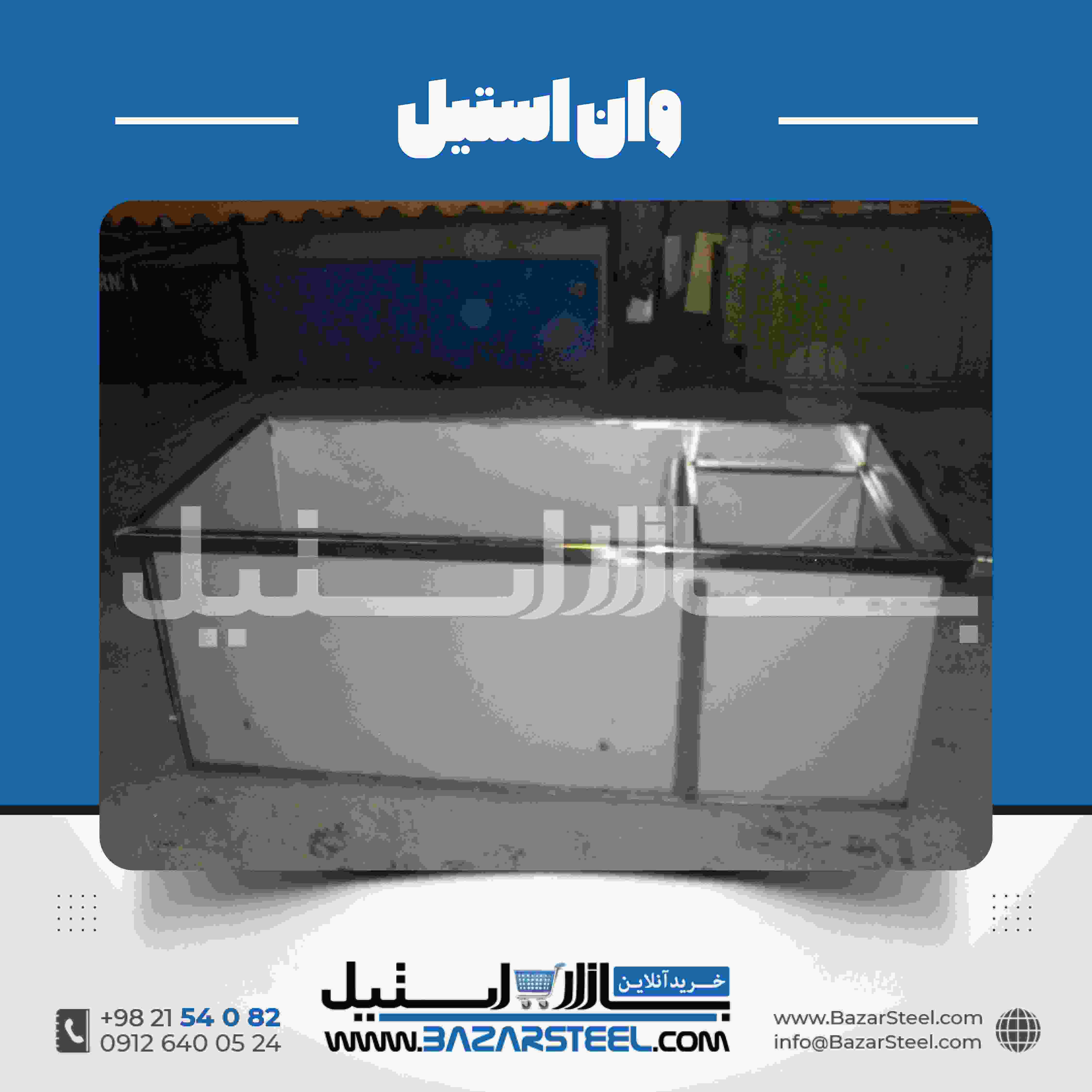
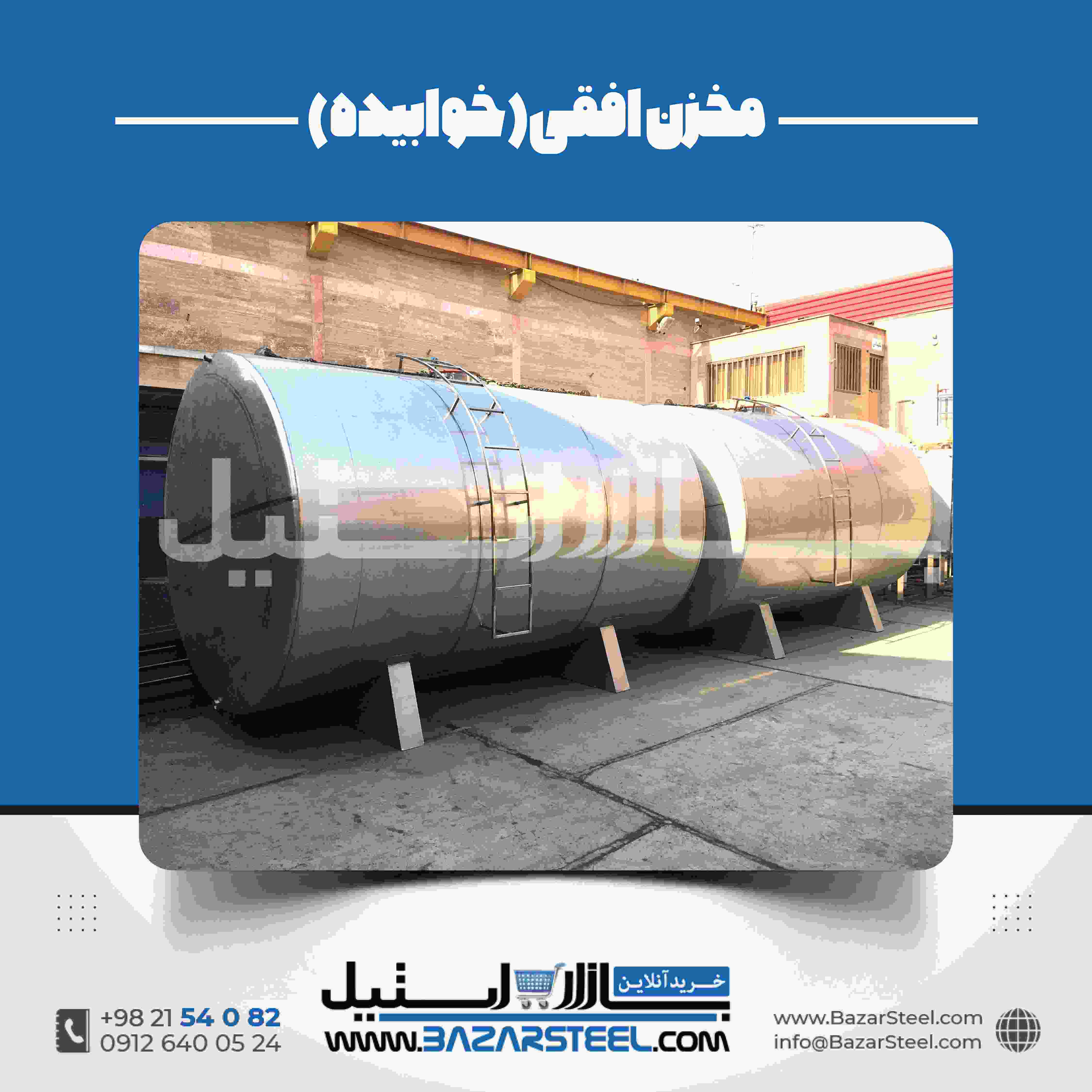
1. Horizontal Tanks
- Positioned horizontally for easy access and stability.
- Commonly used in transportation and fuel storage.
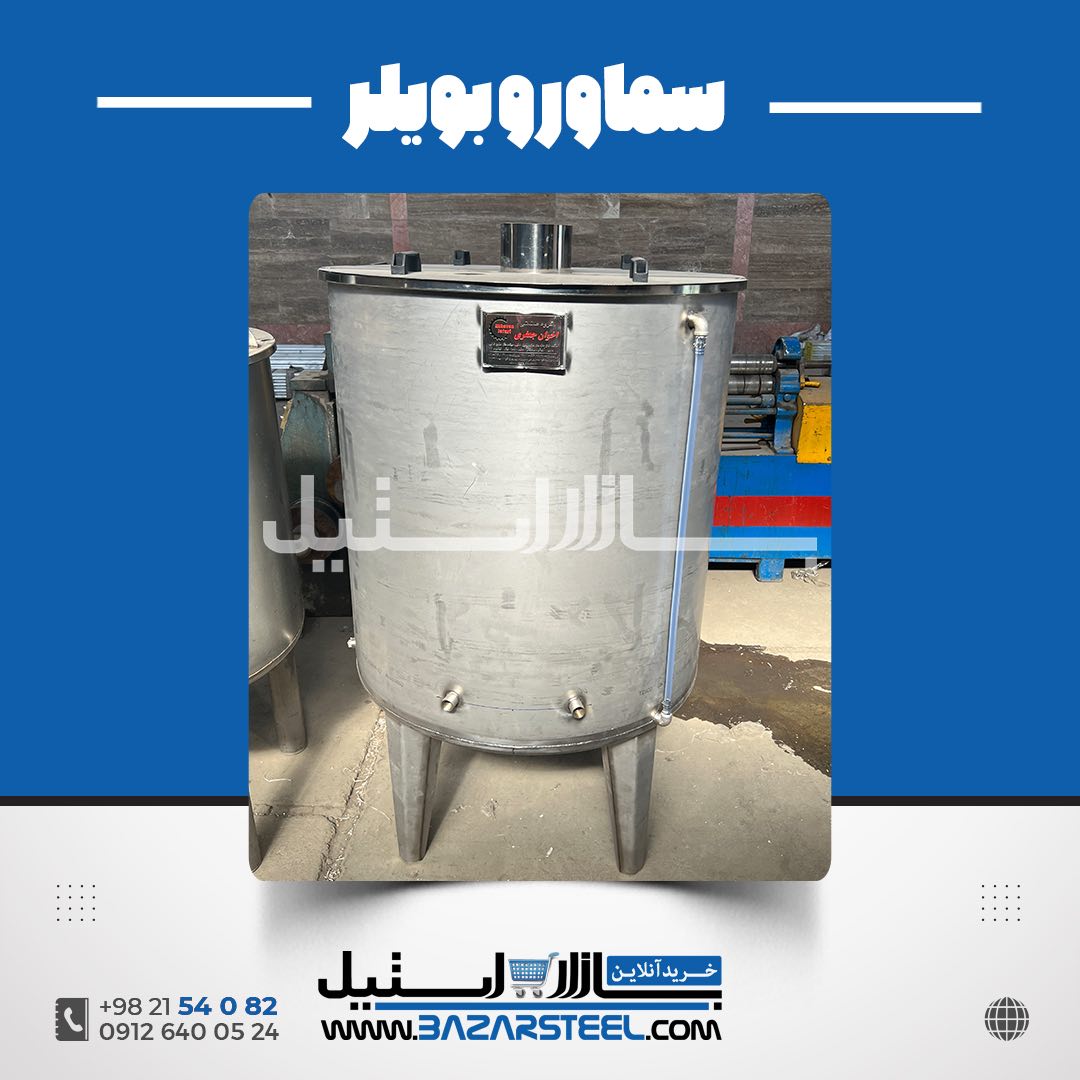
2. Vertical Tanks
- Occupy minimal ground space due to their height.
- Ideal for large-scale liquid storage in factories.
3. Rectangular Tanks
- Compact and stackable, suited for limited spaces.
- Often used in transportation and marine applications.
4. Custom Tanks
- Designed to meet specific industrial needs, such as irregular shapes or integrated fittings.
5. Pressurized Tanks
- Built to handle pressurized storage applications.
- Used in chemical and aerospace industries.
Technical Specifications of Aluminum Tanks
1. Material Grades
- 5052 Aluminum Alloy: Known for excellent corrosion resistance, commonly used for fuel and water tanks.
- 6061 Aluminum Alloy: Offers higher strength and durability, suitable for heavy-duty applications.
2. Sizes and Capacities
- Available in a wide range of capacities, from 50 liters to over 50,000 liters, depending on industrial needs.
3. Wall Thickness
- Thickness varies based on application, ensuring structural integrity under different operating conditions.
4. Fittings and Accessories
- Valves and Nozzles: For controlled dispensing.
- Manholes: Enable inspection and cleaning.
- Vents: Prevent over-pressurization or vacuum formation.
5. Finishes
- Polished Surface: Enhances corrosion resistance and aesthetic appeal.
- Coated Exterior: Provides additional protection in harsh environments.
Advantages of Aluminum Tanks
1. Lightweight Design
- Reduces transportation costs and enhances fuel efficiency in vehicles.
- Easier to install and handle compared to heavier materials like steel.
2. Corrosion Resistance
- Naturally resists rust without requiring additional coatings.
- Suitable for outdoor and marine environments.
3. Longevity
- Durable under various environmental and operational stresses.
- Withstands impacts, temperature fluctuations, and UV exposure.
4. Environmental Sustainability
- Aluminum is fully recyclable, reducing environmental impact.
- Lightweight tanks contribute to lower energy consumption during transport.
5. Cost-Effectiveness
- Reduced maintenance needs lower operational costs over time.
- Initial investment is offset by long service life and reliability.
Design and Manufacturing Considerations
When selecting an aluminum tank, it is important to consider design and manufacturing aspects to ensure compatibility with your specific application.
1. Capacity Requirements
- Assess the volume of material to be stored or transported and choose a tank size accordingly.
2. Operating Conditions
- Evaluate factors such as temperature, pressure, and environmental exposure to determine material grade and thickness.
3. Compatibility
- Ensure that the tank’s material is non-reactive with the stored substance.
4. Customization Needs
- Consider additional features like fittings, insulation, or heating elements based on process requirements.
5. Compliance
- Verify that the tank meets industry standards and regulations, such as ASME, API, or DOT certifications.
Maintenance and Best Practices
Regular maintenance is essential for ensuring the optimal performance and longevity of aluminum tanks.
Routine Maintenance
- Cleaning: Periodically clean the interior and exterior to prevent residue buildup.
- Inspections: Check for dents, leaks, or corrosion.
- Seal and Gasket Maintenance: Replace worn-out components to maintain leak-proof integrity.
Safety Checks
- Ensure valves and fittings operate smoothly.
- Test pressure relief systems in pressurized tanks.
Proper Storage
- Store tanks in a covered area to protect against excessive environmental exposure when not in use.
Economic and Operational Benefits
Investing in aluminum tanks offers several cost-saving and operational advantages for industrial businesses.
1. Enhanced Efficiency
- Lightweight construction reduces energy consumption in transportation and installation.
2. Long-Term Reliability
- Durable materials and designs minimize downtime and replacement costs.
3. Adaptability
- Customizable designs allow integration into diverse industrial processes.
Why Choose Aluminum Tanks?
1. Versatility
- Suitable for a wide range of industries, from automotive to aerospace.
- Custom designs meet unique storage and transportation needs.
2. Cost-Effectiveness
- Affordable upfront costs combined with low maintenance requirements.
3. Sustainability
- Recyclable material aligns with eco-friendly initiatives.
Selecting a Trusted Supplier
When sourcing aluminum tanks, partnering with a reputable manufacturer or supplier ensures access to high-quality products and expert support.
Considerations When Choosing a Supplier
- Experience: Look for manufacturers with proven expertise in designing aluminum tanks for your industry.
- Customization Options: Ensure they offer tailored designs to meet your specific needs.
- Compliance and Certification: Verify that the tanks meet all applicable industry standards and regulations.
- After-Sales Support: Opt for suppliers who provide maintenance services and technical support.
Conclusion
Aluminum tanks are a vital asset for industrial storage and transportation, offering unmatched benefits in terms of durability, lightweight construction, and corrosion resistance. Whether for fuel, chemicals, water, or food-grade liquids, these tanks provide reliable solutions tailored to industrial needs.
For entrepreneurs looking to establish factories or optimize their processes, aluminum tanks represent a cost-effective and sustainable choice. Partnering with a trusted supplier ensures access to high-quality products and professional guidance, paving the way for efficient and safe industrial operations.
Contact us today for customized solutions and expert advice on selecting the perfect aluminum tank for your business needs.
[[ comment.description ]]
[[ reply.description ]]
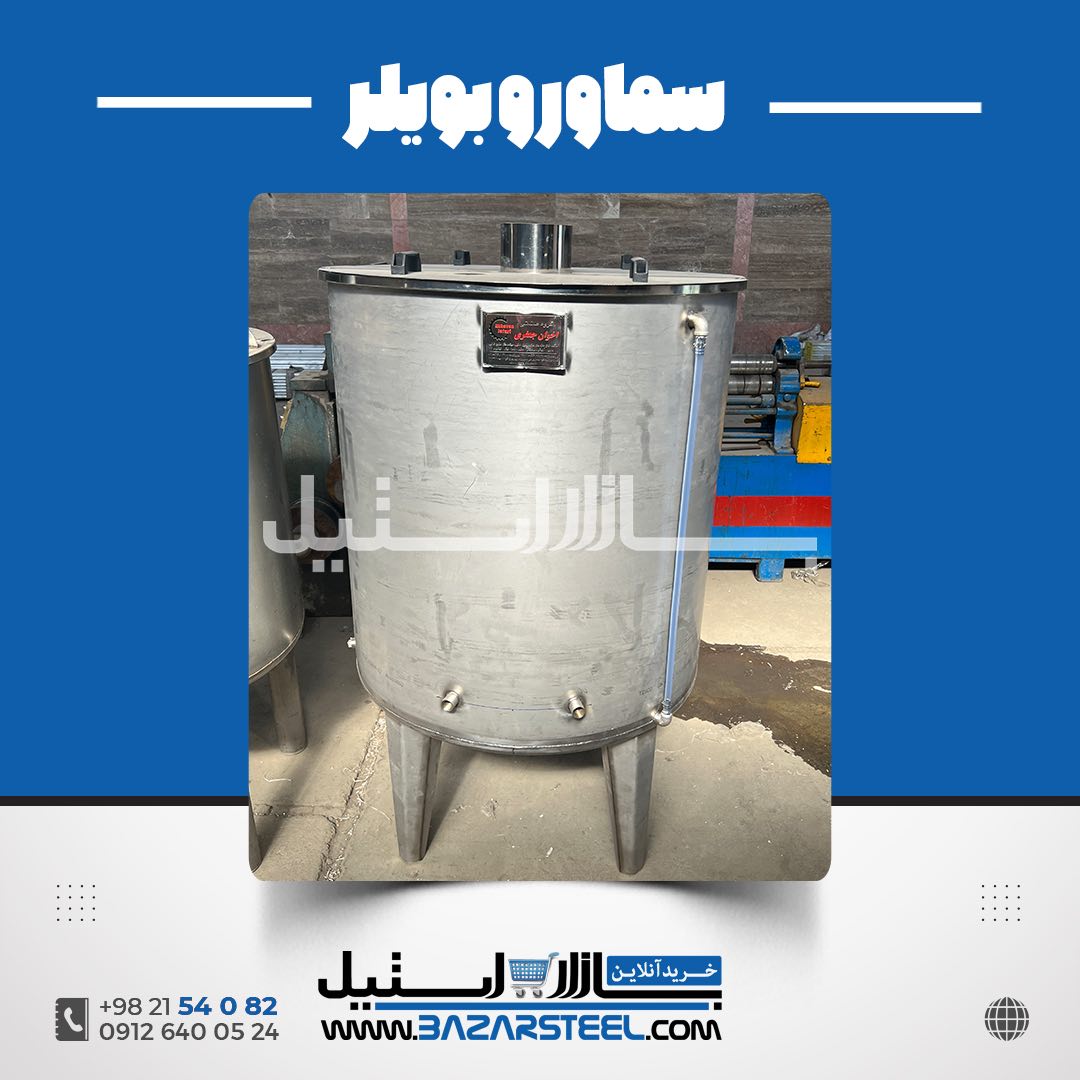
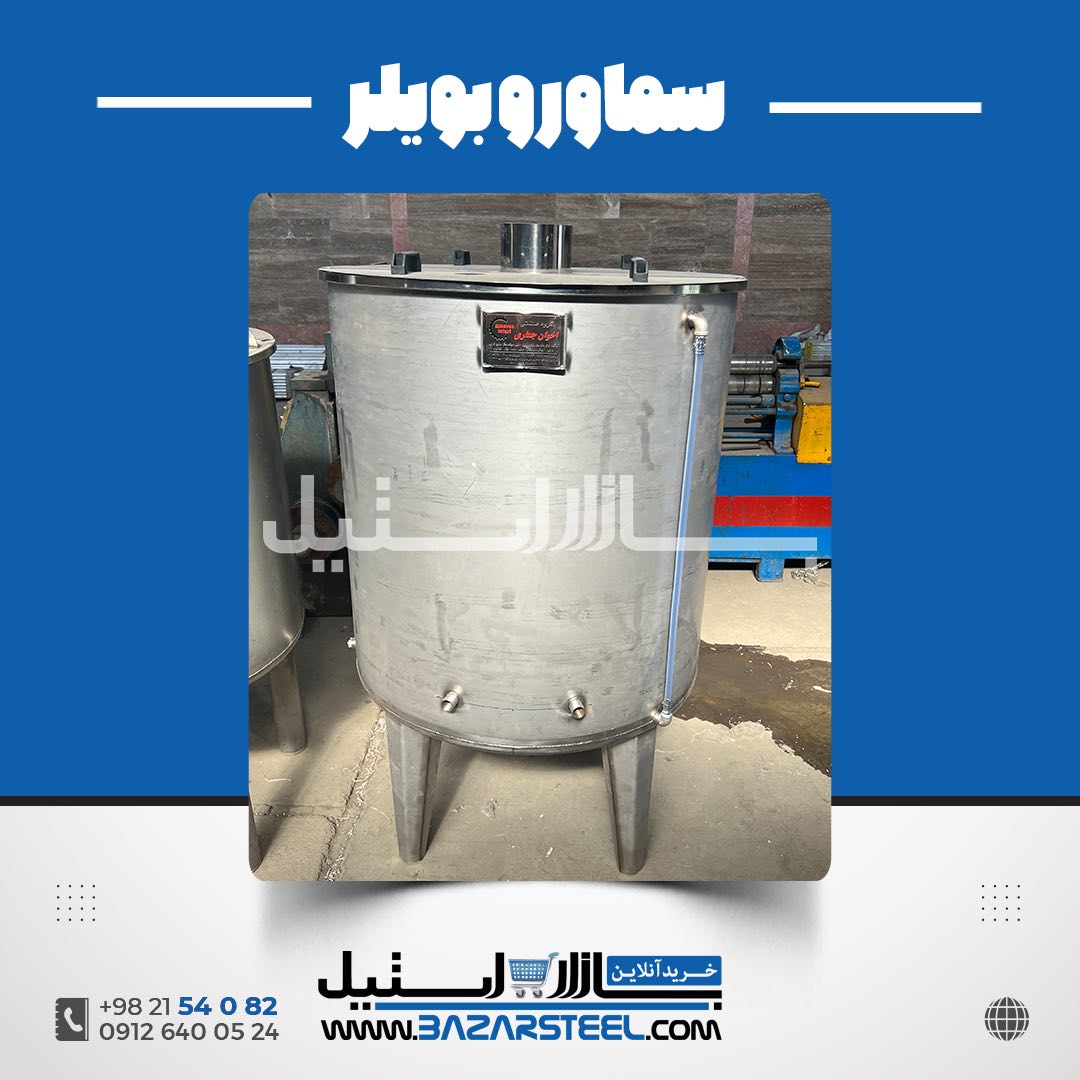
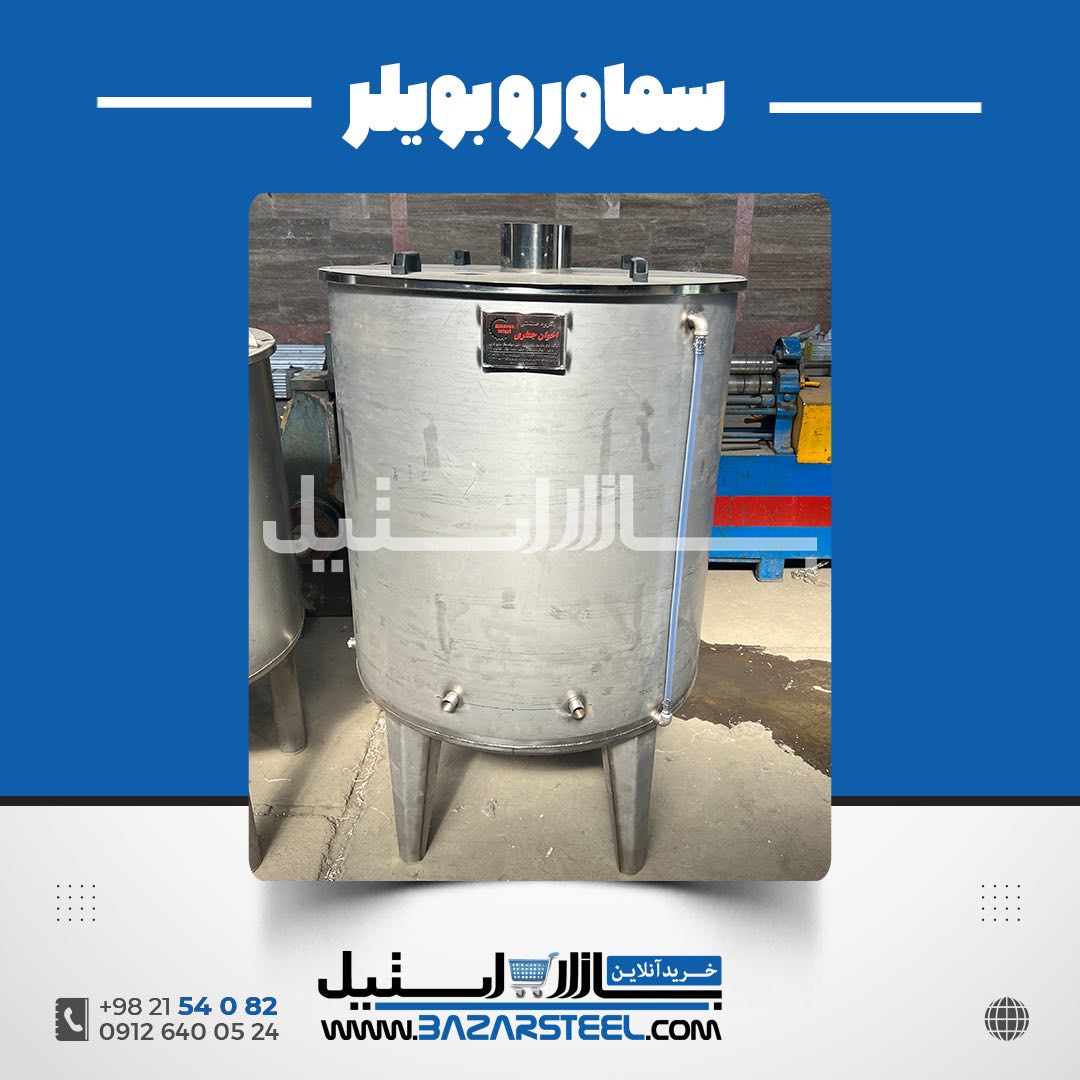
aluminum tank industries
