Home / Product Categories / Machinery / مخازن / تانکر پلاستیکی / Advantages and Disadvantages of Polyethylene Tanks
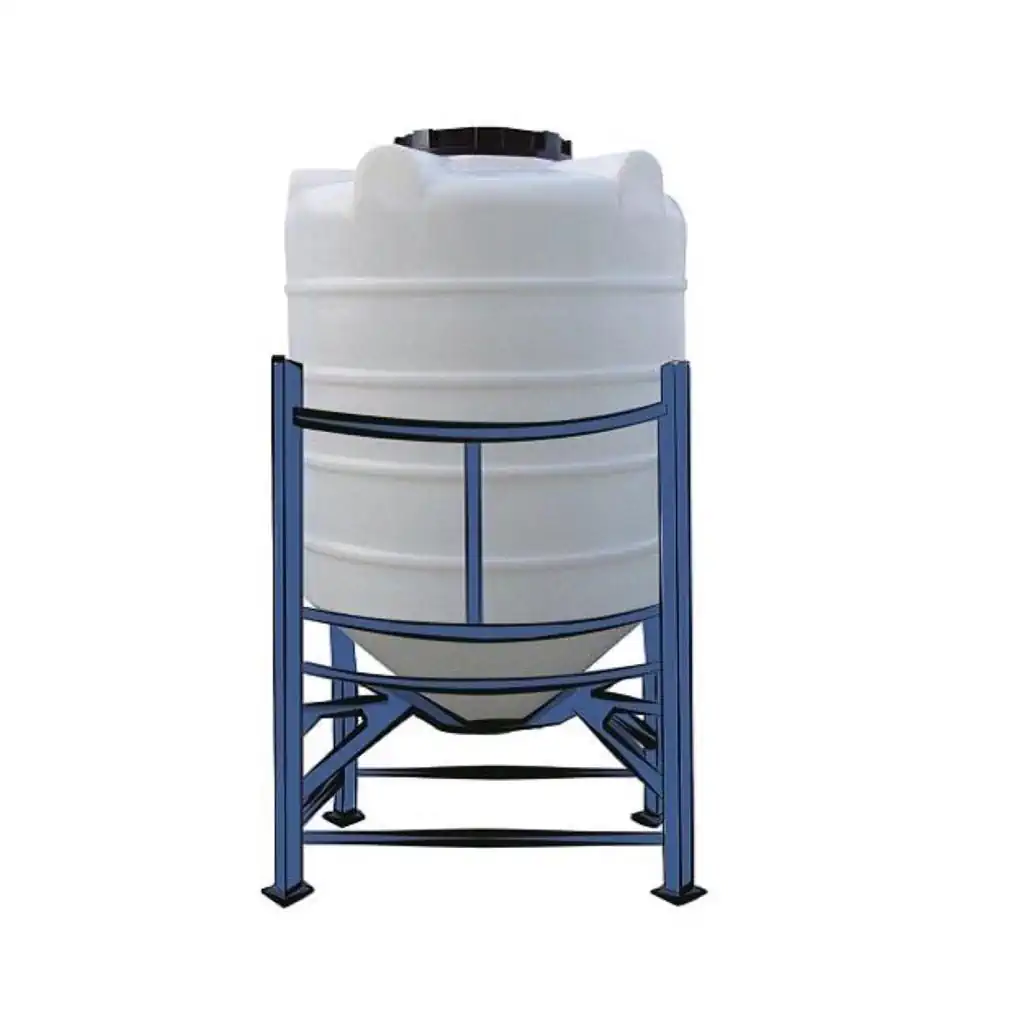
Advantages and Disadvantages of Polyethylene Tanks
5 / 4.25
Based on 4 Customer opinion
Polyethylene tanks are widely used in industrial and domestic applications for the storage of water, chemicals, and various other liquids.





Description
Comprehensive Guide to the Advantages and Disadvantages of Polyethylene Tanks
Polyethylene tanks are widely used in industrial and domestic applications for the storage of water, chemicals, and various other liquids. Their unique combination of durability, affordability, and versatility makes them a popular choice across industries. However, like any storage solution, they have their strengths and limitations. This guide provides an in-depth analysis of the advantages and disadvantages of polyethylene tanks to help industrial entrepreneurs make informed decisions.
Advantages of Polyethylene Tanks
Polyethylene tanks offer numerous benefits that make them a preferred choice in industrial and residential settings. Below are the key advantages:
1. High Durability and Long Lifespan
- Weather Resistance: Polyethylene tanks perform exceptionally well in varying weather conditions, making them suitable for outdoor use.
- Flexibility: Their inherent flexibility allows them to withstand mechanical stresses and prolonged usage without cracking or breaking.
- Longevity: These tanks have a long lifespan when maintained properly, reducing replacement costs over time.
2. Leak Resistance
- Seamless Construction: Most polyethylene tanks are molded as a single unit, eliminating seams or joints that are prone to leakage.
- Environmental Safety: The leak-proof design ensures safe storage of hazardous substances like petroleum and chemicals, preventing environmental contamination.
3. Versatility in Production
- Customizable Designs: Polyethylene tanks are available in a wide range of sizes, shapes, and configurations, including horizontal, vertical, under-stair, and more.
- Tailored Volumes: Tanks can be manufactured to meet specific capacity requirements, catering to diverse industrial and residential needs.
4. High Resistance to Corrosion
- Chemical Compatibility: Polyethylene is highly resistant to corrosion, making it ideal for storing acids, alkalis, and other corrosive materials.
- Non-Reactive Surface: The material's non-reactive nature prevents degradation from contact with chemicals, ensuring long-term storage safety.
5. Easy Installation
- Aboveground and Underground Use: Polyethylene tanks can be installed both underground and aboveground, offering flexibility in placement.
- Lightweight Construction: Their lightweight nature simplifies transport and installation compared to heavier materials like steel or concrete.
6. Affordable Price
- Cost-Effective: Compared to tanks made from stainless steel, fiberglass, or concrete, polyethylene tanks are significantly more affordable.
- Economic for Large-Scale Use: Their lower initial investment and minimal maintenance requirements make them a cost-effective choice for large-scale storage solutions.
7. Resistance to Extreme Temperatures
- Temperature Tolerance: Polyethylene tanks can handle a wide range of temperatures, from -70°C to +45°C.
- Insulation Properties: Multi-wall designs and polyethylene's thermal insulating properties make these tanks effective in harsh climates, such as mountainous regions.
8. Earthquake Resistance
- Flexibility: Polyethylene's natural flexibility makes these tanks resistant to cracking or structural failure during seismic activity, providing a safer storage solution in earthquake-prone areas.
9. Moisture Resistance
- Non-Corrosive Material: Polyethylene tanks are ideal for humid environments as they do not rust or corrode over time.
10. High Hygiene Standards
- Inert Material: Polyethylene does not react with stored substances, ensuring that water or other liquids remain uncontaminated.
- Safe for Drinking Water: These tanks preserve the taste, odor, and quality of drinking water, meeting hygiene standards for potable water storage.
Disadvantages of Polyethylene Tanks
While polyethylene tanks offer numerous benefits, they also have some limitations that users should consider before selecting them for their specific needs.
1. Susceptibility to Impact Damage
- Vulnerability to Heavy Impacts: While polyethylene tanks are flexible and impact-resistant under normal conditions, they can be punctured or cracked when subjected to severe mechanical forces.
- Protection Required: Care must be taken to avoid heavy impacts, particularly in industrial environments with machinery or vehicles nearby.
2. Limited Lifespan in Outdoor Environments
- UV Degradation: Without the addition of UV stabilizers, polyethylene tanks can degrade when exposed to prolonged sunlight, reducing their lifespan.
- Solution: UV-stabilized tanks are recommended for outdoor use to extend durability and prevent cracking or discoloration.
3. Temperature Limitations
- Heat Sensitivity: Polyethylene tanks are not suitable for storing liquids at high temperatures, as excessive heat can cause deformation or compromise the material's integrity.
- Safe Temperature Range: Liquids stored in these tanks should not exceed 55-60°C to avoid potential structural damage.
Applications of Polyethylene Tanks
Polyethylene tanks are versatile and find applications in a wide range of industries and settings, including:
- Water Storage: Ideal for storing potable and non-potable water in residential, agricultural, and industrial setups.
- Chemical Storage: Used in industries that require safe containment of corrosive chemicals, including acids and alkalis.
- Rainwater Harvesting: Commonly employed in rainwater harvesting systems due to their durability and cost-effectiveness.
- Agriculture: Used for irrigation water storage and fertilizer mixing.
- Oil and Petroleum Storage: Leak-resistant properties make them suitable for storing petroleum products safely.
Maintenance and Best Practices
Proper maintenance of polyethylene tanks ensures their long-term performance and reliability.
Maintenance Tips
- Regular Cleaning: Periodically clean the interior of the tank to prevent sediment buildup or contamination.
- Inspection: Check for signs of cracks, UV damage, or punctures during routine inspections.
- Protect from Impact: Avoid placing tanks in high-traffic areas where mechanical damage is more likely.
Recommendations for Outdoor Use
- UV-Stabilized Tanks: Use tanks with UV inhibitors for prolonged outdoor exposure to prevent degradation.
- Shaded Installation: Position tanks under shelters or canopies to reduce direct sunlight exposure.
Economic and Environmental Benefits
1. Cost-Effectiveness
- Lower initial investment and minimal maintenance requirements reduce overall storage costs.
- Durable construction minimizes the need for frequent replacements.
2. Sustainability
- Polyethylene tanks are recyclable, contributing to environmental sustainability by reducing waste.
- Energy-efficient production processes lower their carbon footprint compared to other materials.
Conclusion
Polyethylene tanks offer a versatile and cost-effective storage solution for a variety of applications, from water and chemicals to petroleum and agricultural products. Their durability, corrosion resistance, and affordability make them an ideal choice for industrial and residential use. However, their limitations, such as susceptibility to UV degradation and temperature constraints, should be carefully considered based on the intended application.
By selecting the right type of polyethylene tank and following proper maintenance practices, businesses can ensure long-term reliability and performance. For entrepreneurs planning to establish factories or expand their storage infrastructure, polyethylene tanks represent an economical and efficient investment.
[[ comment.description ]]
[[ reply.description ]]
Related Products
Advantages and Disadvantages of Polyethylene Tanks
