Home / Product Categories / Machinery / مخازن / Stainless steel storage tanks / Stainless Steel Pharmaceutical Tanks
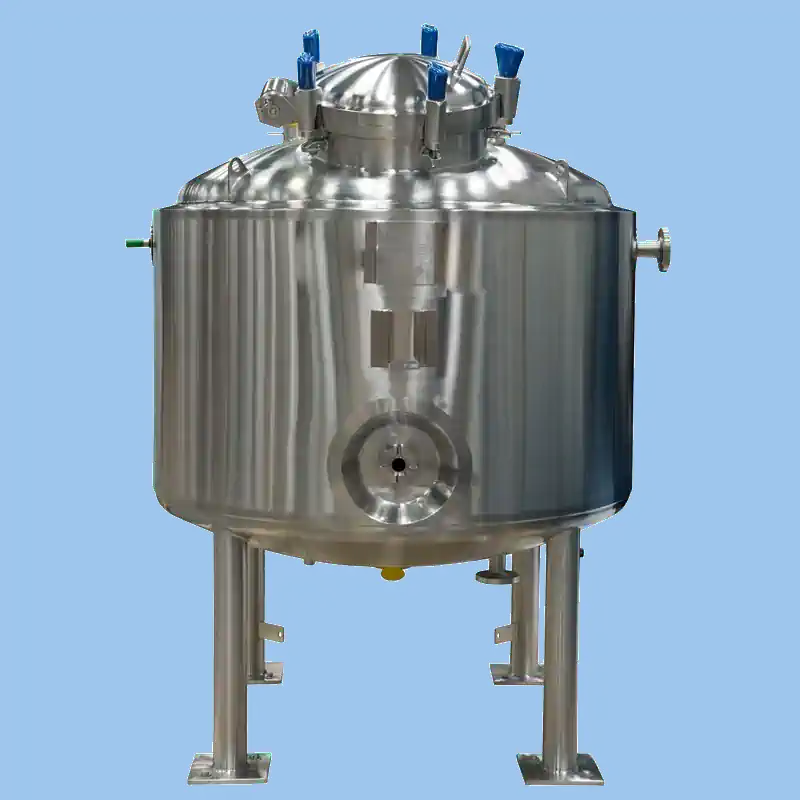
Stainless Steel Pharmaceutical Tanks
5 / 4.0
Based on 2 Customer opinion
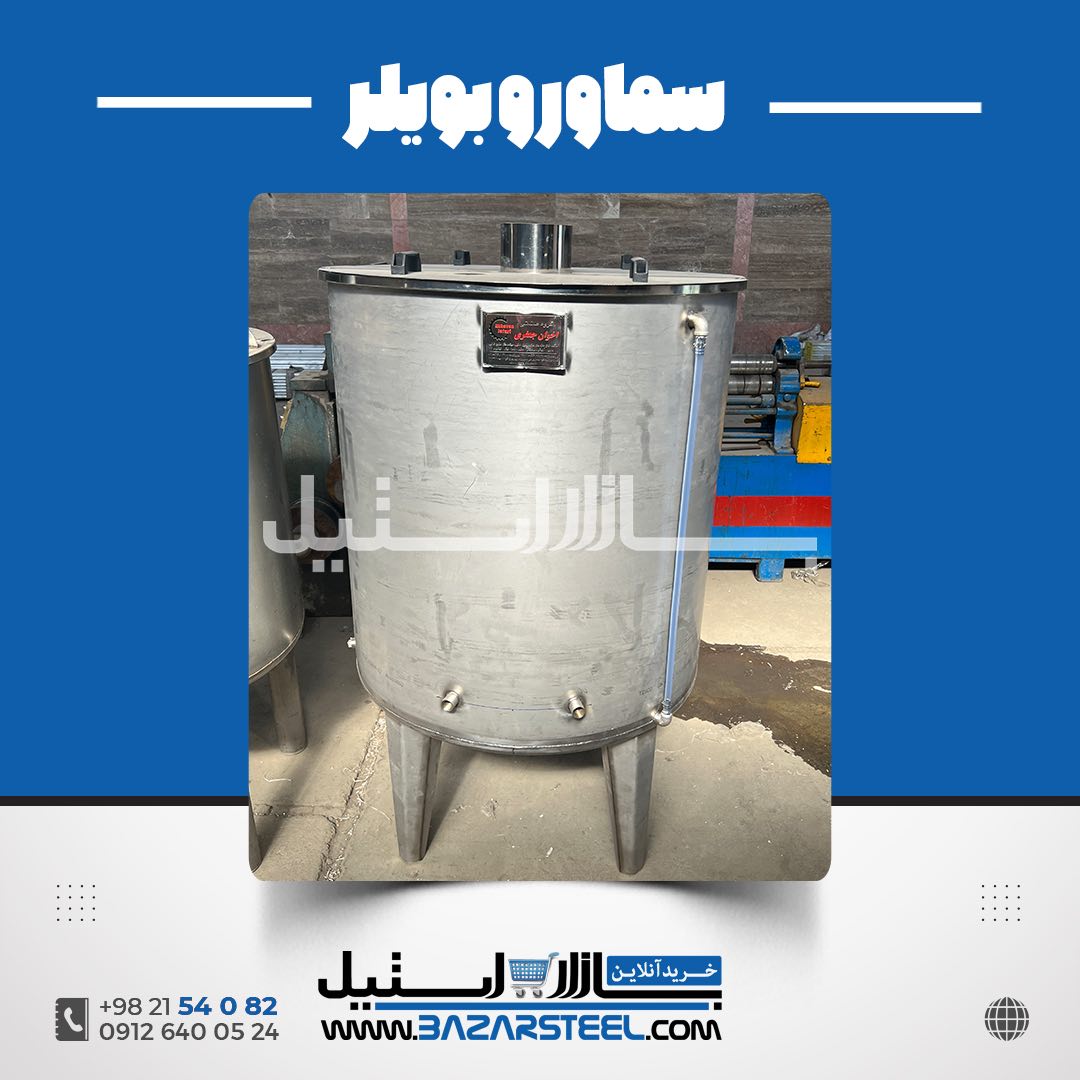
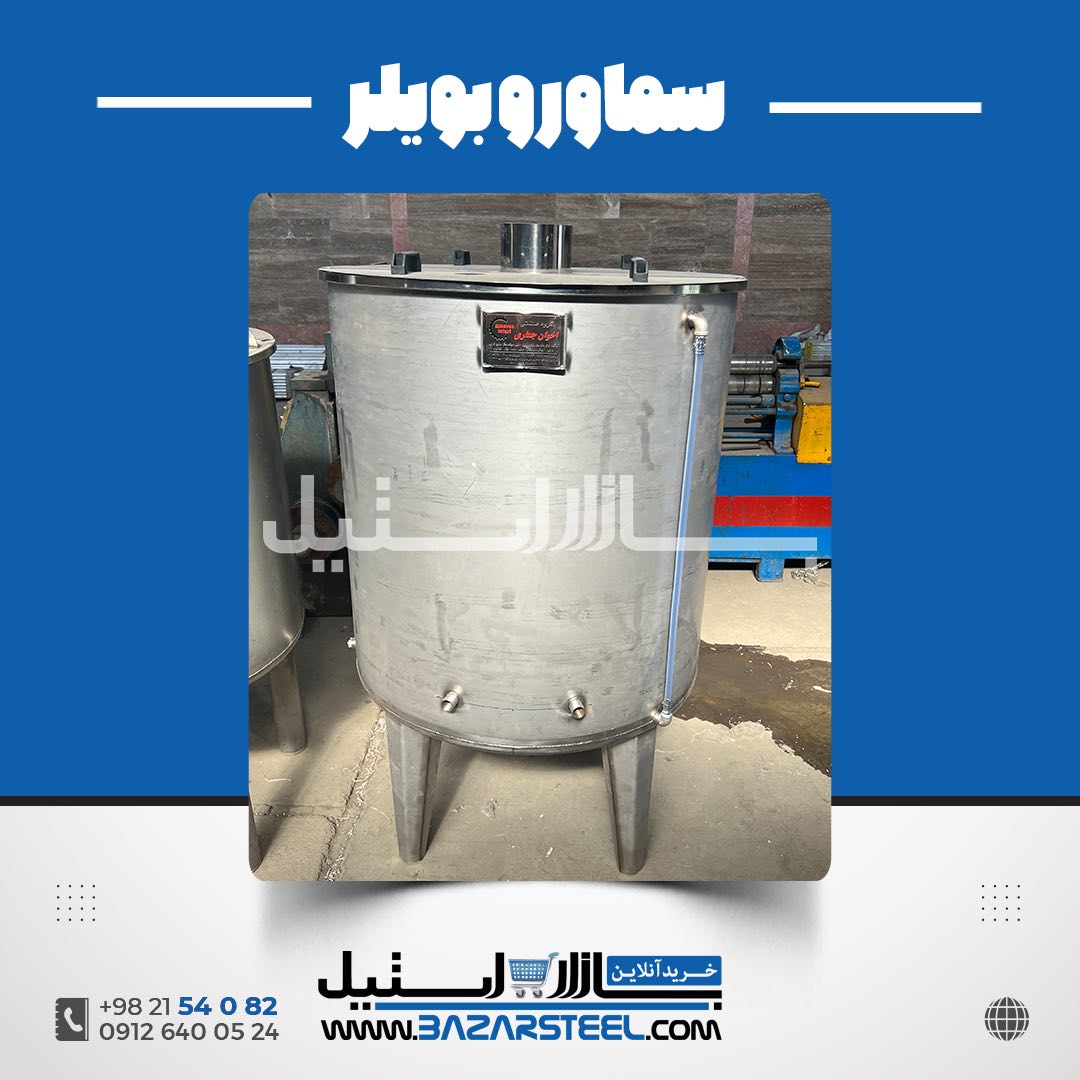
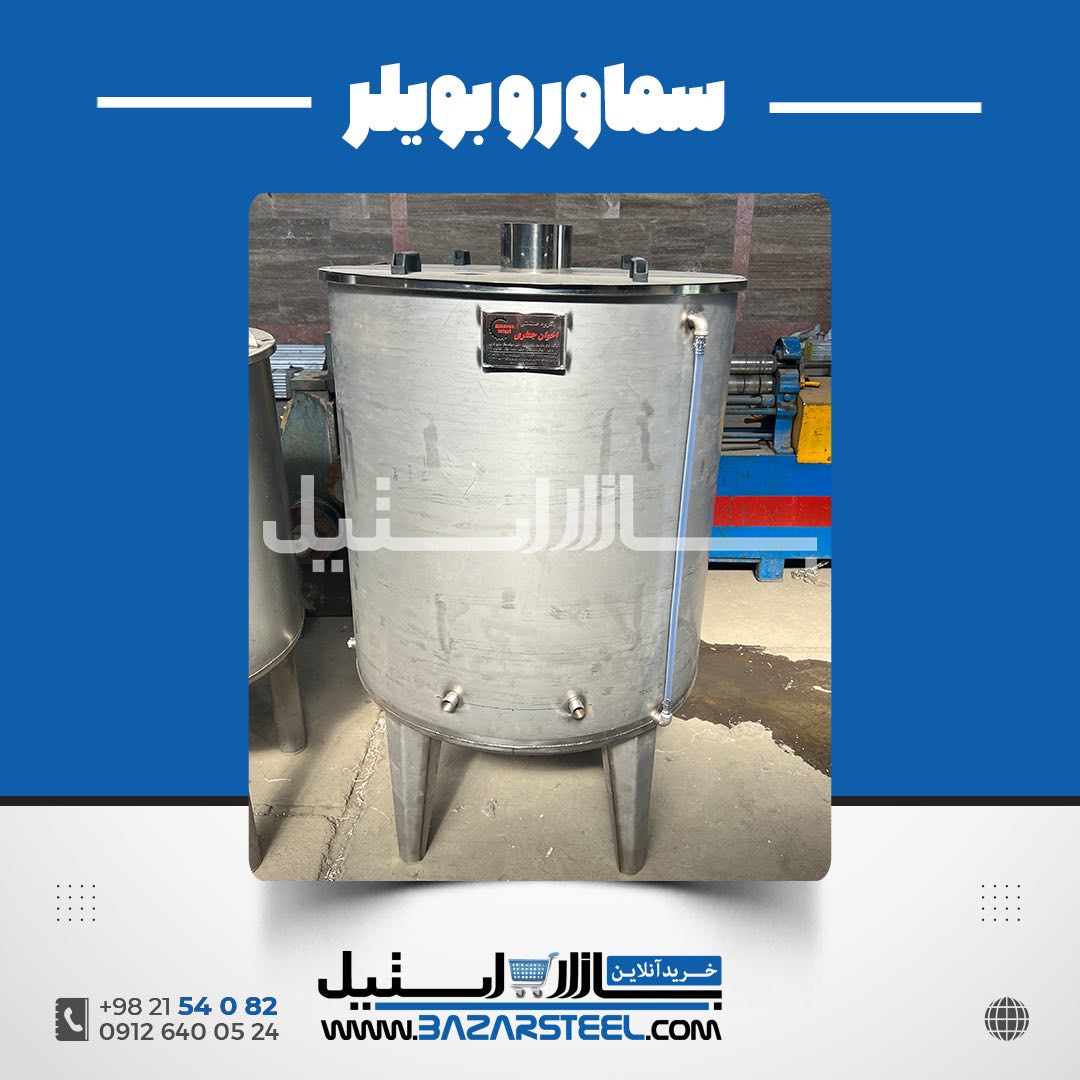
Tanks used in the pharmaceutical industry must meet specific standards and must meet the highest standards in terms of hygiene and sterility. They are usually made of 316 grade steel. We offer these tanks in capacities of 200, 500, and 1000 liters with customized shapes.





Description
Comprehensive Guide to Stainless Steel Pharmaceutical Tanks for Industrial Applications
Pharmaceutical production demands stringent safety, hygiene, and quality standards. At the heart of these processes are stainless steel pharmaceutical tanks, indispensable for storing and processing drugs, syrups, vaccines, and other medical substances. These tanks are custom-engineered to meet the unique requirements of the pharmaceutical and biotechnology industries, ensuring sterility, precision, and efficiency.
This guide explores the design, applications, and critical considerations of pharmaceutical tanks, providing industrial entrepreneurs with the knowledge to select and implement the best solutions for their production facilities.
What Are Stainless Steel Pharmaceutical Tanks?
Stainless steel pharmaceutical tanks are specialized storage and process vessels designed for the rigorous requirements of pharmaceutical production. From storing raw materials to processing active ingredients, these tanks ensure that every stage of production adheres to regulatory and hygienic standards.
Key Features
- Material Composition: Typically made from 304(L) or 316(L) stainless steel, offering exceptional resistance to corrosion, chemical reactions, and contamination.
- Hygienic Surface Finishes: Smooth, non-porous surfaces that prevent the accumulation of microorganisms.
- Custom Design: Tailored to the specific requirements of pharmaceutical production lines, including integration with other process equipment.
Applications of Pharmaceutical Tanks
Stainless steel pharmaceutical tanks play a crucial role in various production stages across the pharmaceutical and biotechnological industries.
1. Drug and Vaccine Production
- Purpose: Store and process active pharmaceutical ingredients (APIs) and excipients.
- Example: Used in the preparation of syrups, emulsions, and vaccines.
2. Biopharmaceuticals
- Purpose: Support processes like fermentation and cell culture in bioreactors.
- Example: Tanks for monoclonal antibody production.
3. Nutritional Supplements
- Purpose: Mix and store components for vitamins, mineral supplements, and protein powders.
4. Chemical and Raw Material Storage
- Purpose: Safely store raw chemicals, solvents, and intermediate compounds.
Types of Pharmaceutical Tanks
Pharmaceutical tanks are classified based on their purpose and mobility, ensuring optimal functionality for specific applications.
1. Storage Tanks
- Designed for long-term storage of raw materials or finished products.
- Features: Double-walled construction for thermal stability and integrated safety valves.
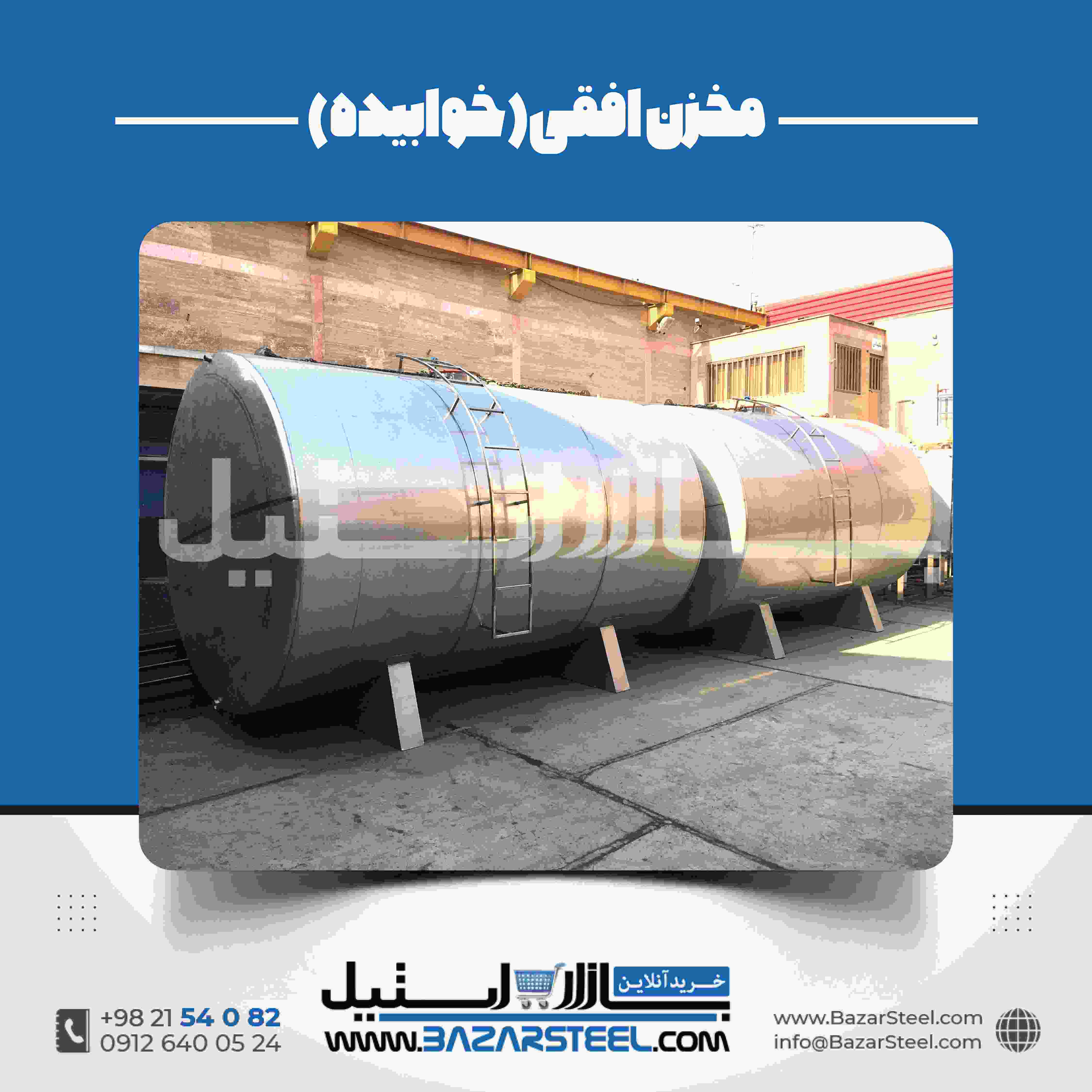
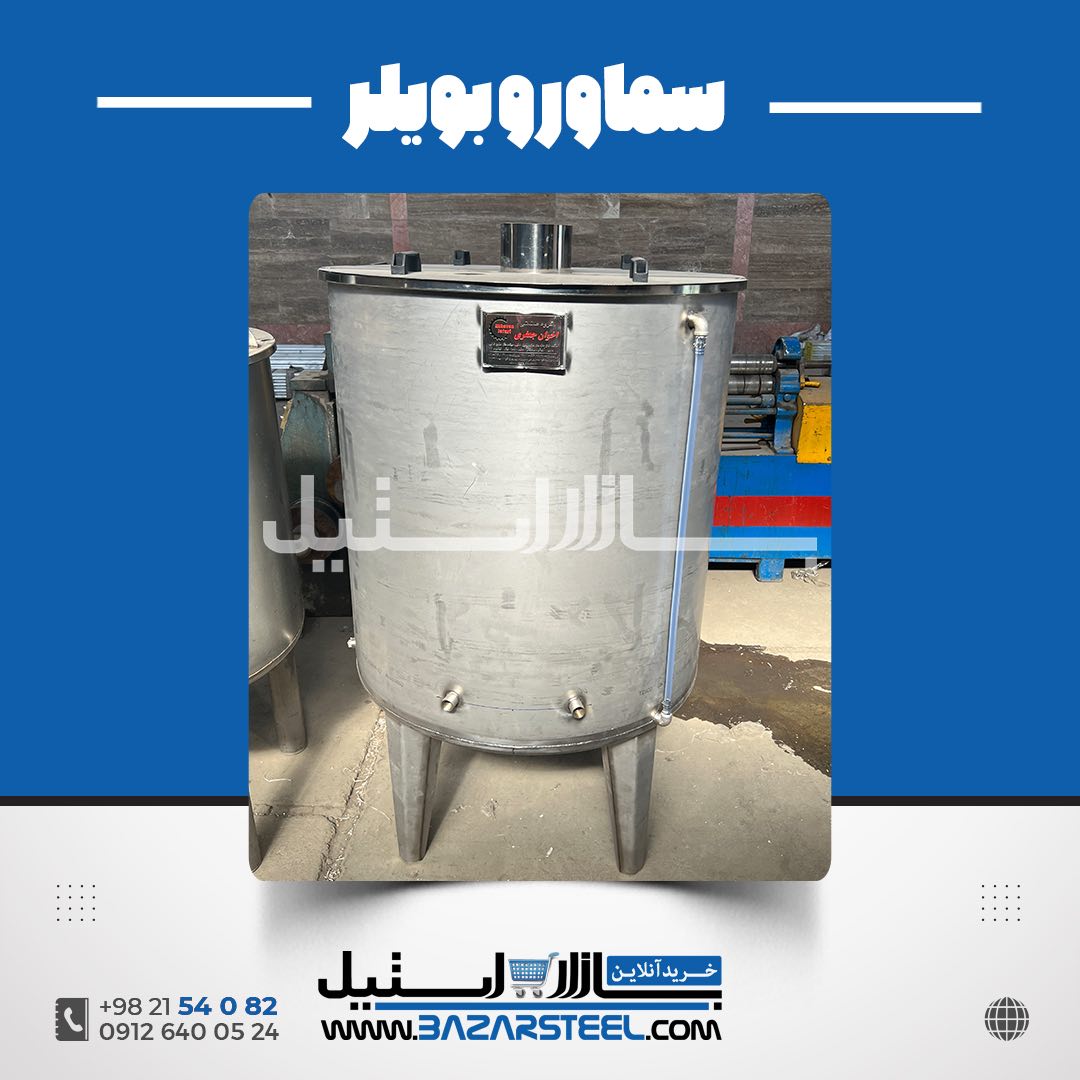
2. Process Tanks
- Used for mixing, blending, and heating substances during production.
- Features: Equipped with agitators and temperature control systems.
3. Mobile Tanks
- Mounted on wheels or trolleys for easy transport across production lines.
- Applications: Manual dosing and ingredient addition at different stages.
4. Specialized Tanks
- WFI Tanks (Water for Injection): Ensure the sterility of pharmaceutical-grade water.
- Buffer Tanks: Temporarily store liquids between production stages.
Design and Manufacturing Considerations
The design of stainless steel pharmaceutical tanks prioritizes hygiene, durability, and compatibility with strict regulatory standards.
1. Material Selection
- 304(L) Stainless Steel: Suitable for non-corrosive substances.
- 316(L) Stainless Steel: Ideal for corrosive environments and highly reactive substances.
- Duplex Stainless Steel: Used for large-capacity tanks requiring additional strength.
2. Hygienic Standards
- Smooth interior surfaces eliminate cracks and crevices where contaminants could accumulate.
- Weld Finishing: Internal and external welds are polished to meet hygiene standards.
3. Compliance with Standards
- ASME: American Society of Mechanical Engineers standards for pressure vessels.
- PED Directive: European Pressure Equipment Directive for safety.
- FDA and ISO: Certification for materials and processes used in drug manufacturing.
Tank Features and Customization Options
Pharmaceutical tanks are equipped with advanced features to enhance functionality and meet the specific requirements of production lines.
Key Features
- Ellipsoidal, Conical, or Flat Heads: Tailored to storage or process needs.
- Manholes and Inspection Windows: Allow easy access for cleaning and monitoring.
- CIP Systems: Automated cleaning-in-place systems for consistent hygiene.
- Heating and Cooling Systems: Maintain precise temperature control with pillow plate jackets.
Custom Options
- Agitators: Side or top-mounted mixers for uniform blending.
- Double-Walled Design: Provides thermal insulation.
- Pressure Ratings: Tanks designed for low to high-pressure environments.
- Insulation Materials: Includes mineral wool, polystyrene, or thermaflex for temperature-sensitive substances.
Hygiene Requirements in the Pharmaceutical Industry
Hygiene is paramount in pharmaceutical production. Tanks must meet the highest sanitary standards to ensure the safety and efficacy of drugs.
Key Hygiene Features
- Non-Porous Materials: Stainless steel ensures surfaces do not absorb contaminants.
- Minimum Joints: Reduces the number of crevices where microorganisms can grow.
- Secure Seals and Valves: Prevent contamination during filling or dispensing.
- Easy Cleaning: Tanks are designed to allow thorough cleaning and sterilization.
Cost of Stainless Steel Pharmaceutical Tanks
The cost of a stainless steel pharmaceutical tank varies based on factors like size, material, and customization. While an initial quote can provide an estimate, detailed discussions with manufacturers ensure a design that aligns with both budget and operational needs.
Factors Influencing Cost
- Material Grade: Higher-grade stainless steel increases costs but ensures durability.
- Capacity: Larger tanks require more materials and engineering effort.
- Customization: Additional features like agitators, heating systems, and automation impact the overall price.
Advantages of Stainless Steel Pharmaceutical Tanks
1. Durability and Longevity
- Stainless steel resists corrosion and maintains structural integrity over time.
2. Hygienic Design
- Meets FDA and ISO standards for pharmaceutical production.
3. Customization
- Tailored designs ensure compatibility with specific production processes.
4. Efficiency
- Integrated systems like agitators and temperature controls optimize processing times.
5. Sustainability
- Stainless steel is recyclable, reducing environmental impact.
Choosing the Right Pharmaceutical Tank
Selecting the right pharmaceutical tank involves assessing your production requirements and ensuring compliance with industry standards.
Key Considerations
- Production Capacity: Evaluate the volume of material your operation requires.
- Material Compatibility: Match the tank material with the chemical properties of stored substances.
- Temperature Requirements: Ensure the tank includes heating or cooling features if necessary.
- Regulatory Compliance: Verify certifications to ensure adherence to industry standards.
Why Choose Gpi for Pharmaceutical Tanks?
Gpi specializes in designing and manufacturing stainless steel pharmaceutical tanks tailored to customer needs. From storage tanks to complex bioreactors, Gpi ensures each tank meets the highest standards of safety, hygiene, and durability.
Expertise and Capabilities
- Comprehensive Design: Detailed calculations for wall thickness, pressure ratings, and material selection.
- Custom Manufacturing: Tanks tailored to production lines for seamless integration.
- Quality Assurance: Complete technical documentation and rigorous quality checks.
Conclusion
Stainless steel pharmaceutical tanks are fundamental to the production of drugs, vaccines, and biotechnological products. Their custom design, hygienic features, and compliance with international standards ensure safe and efficient operations.
For entrepreneurs establishing factories, partnering with experienced manufacturers like Gpi ensures access to high-quality, tailored solutions. With expertise in design, engineering, and production, stainless steel pharmaceutical tanks offer long-term value and operational excellence.
Contact us today for a customized quote and discover how our tanks can elevate your pharmaceutical production processes.
[[ comment.description ]]
[[ reply.description ]]
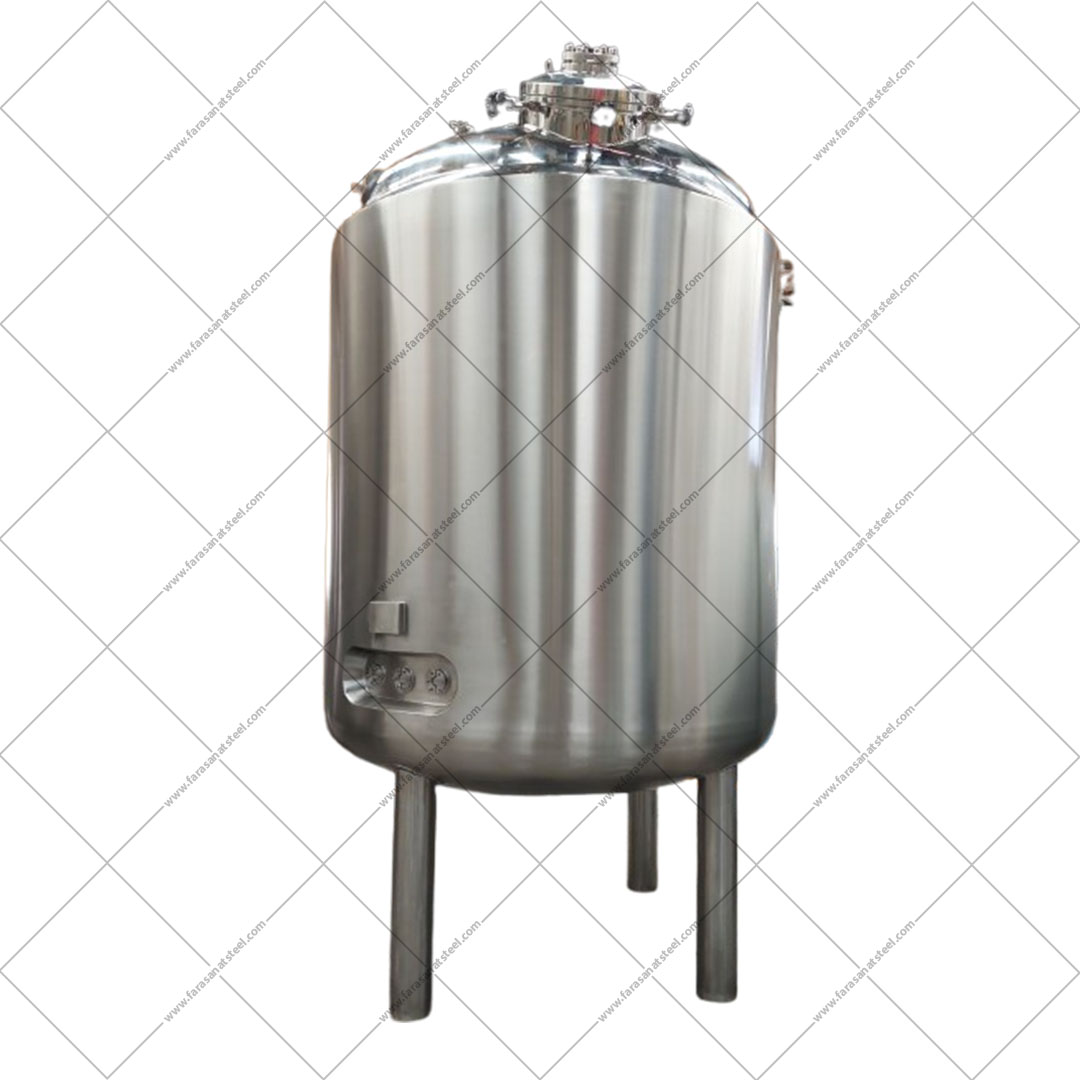
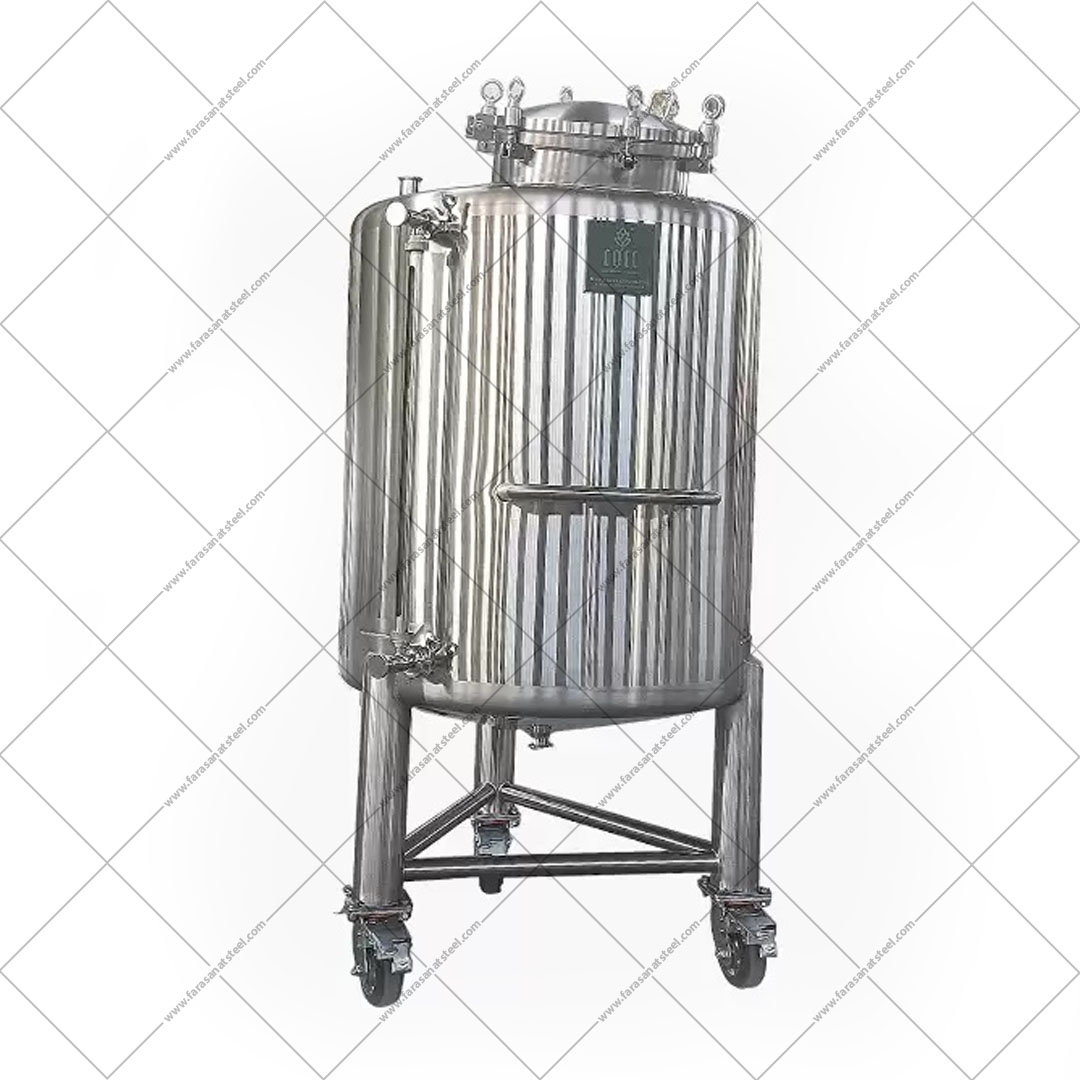
Stainless Steel Pharmaceutical Tanks
