Home / Product Categories / Machinery / مخازن / Stainless steel storage tanks / mixing stainless steel tanks| best price
mixing stainless steel tanks| best price
5 / 4.57
Based on 7 Customer opinion
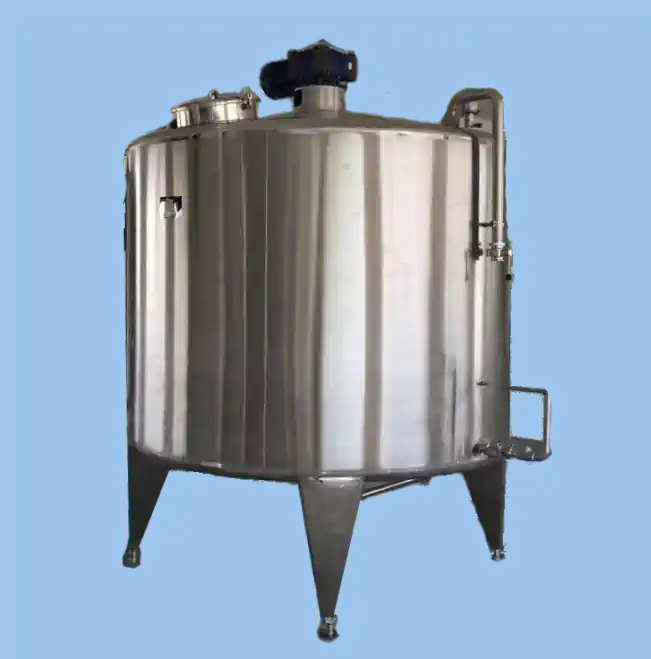
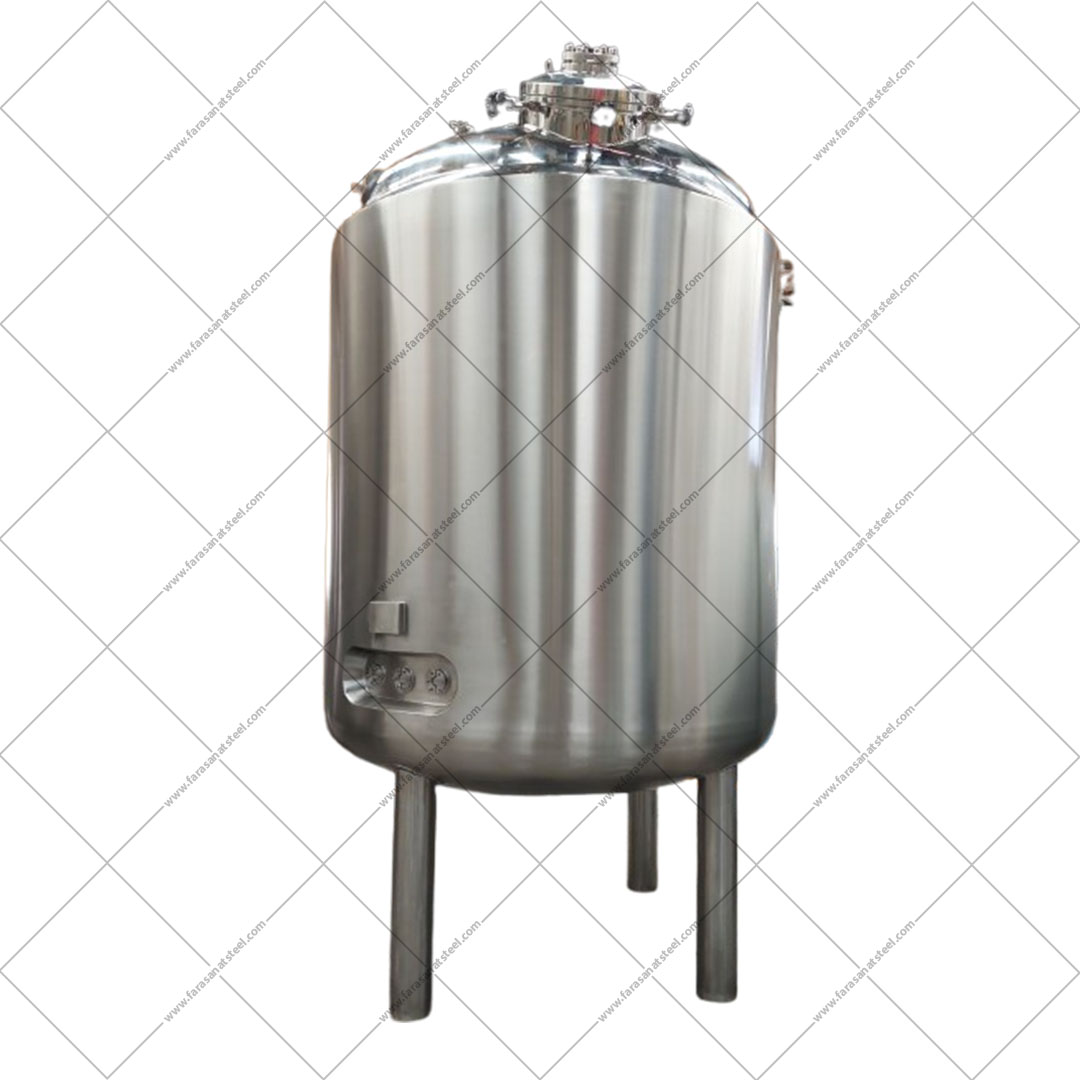
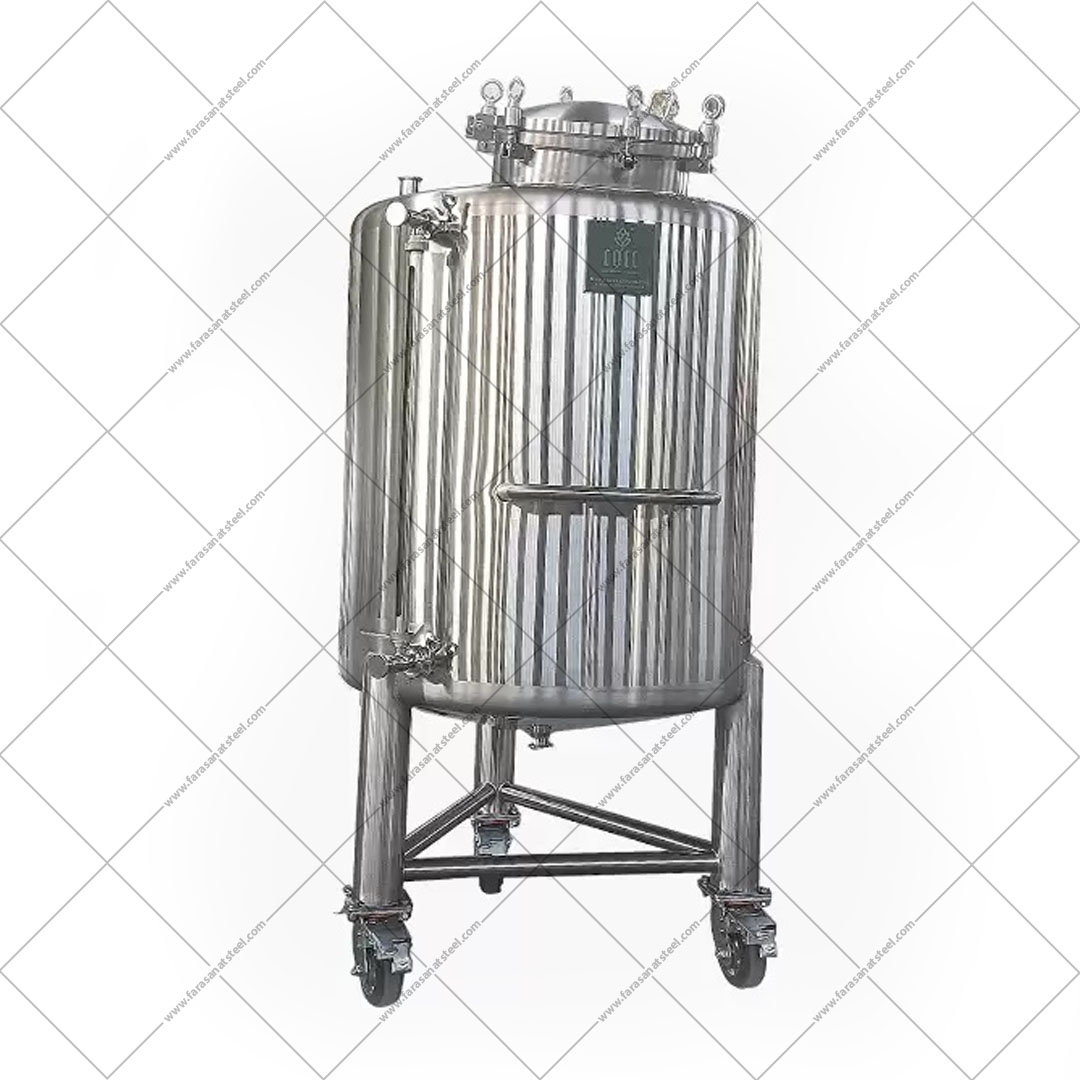
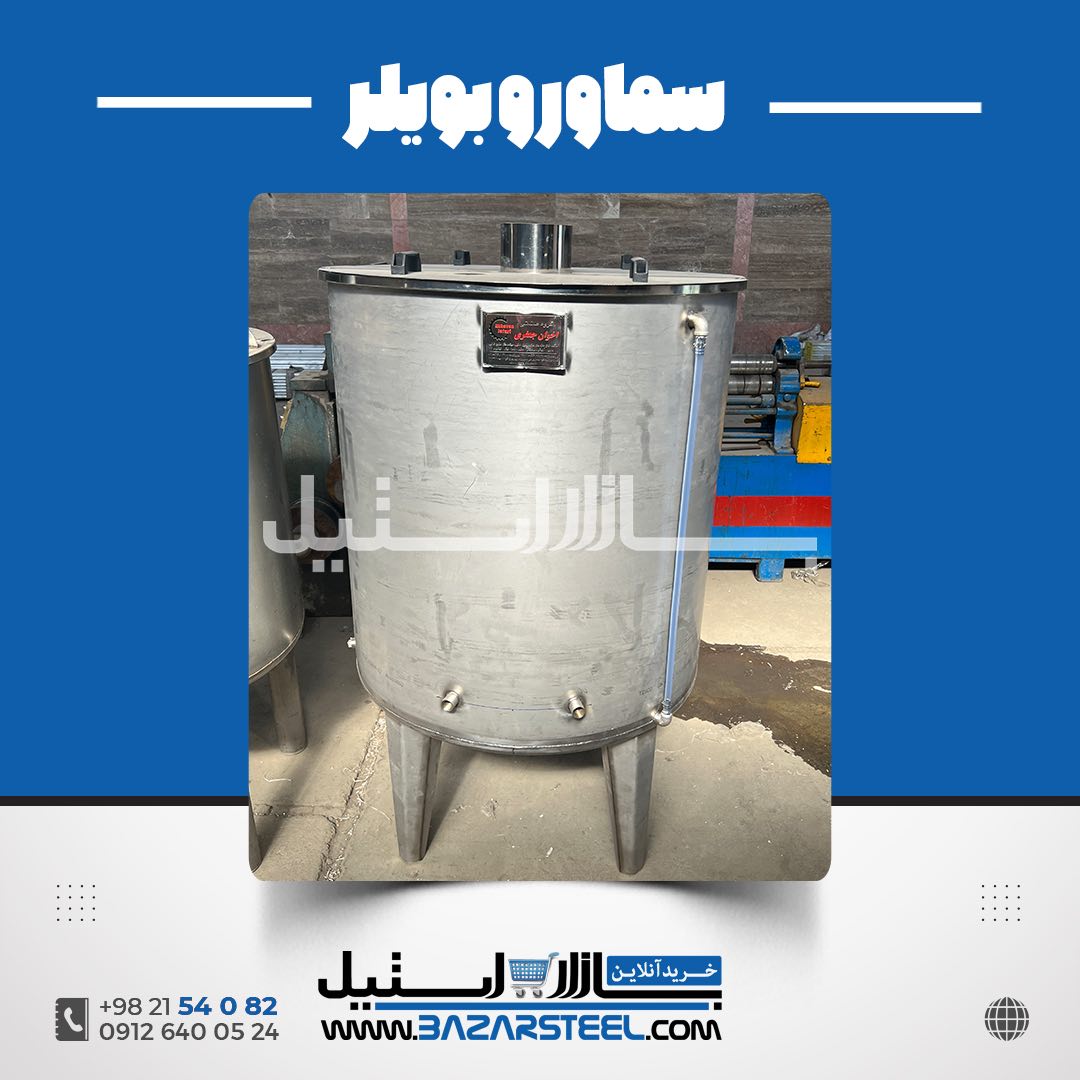
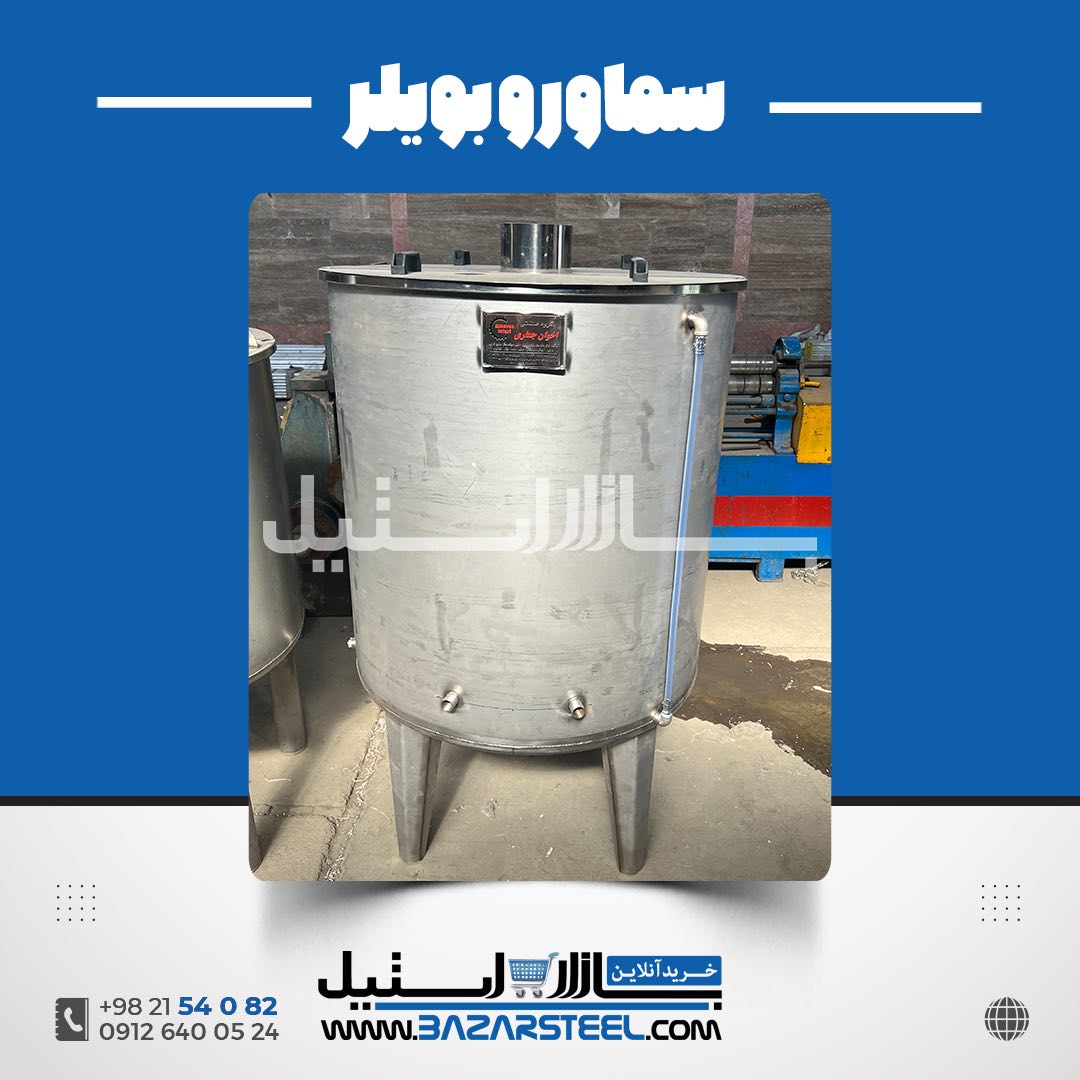
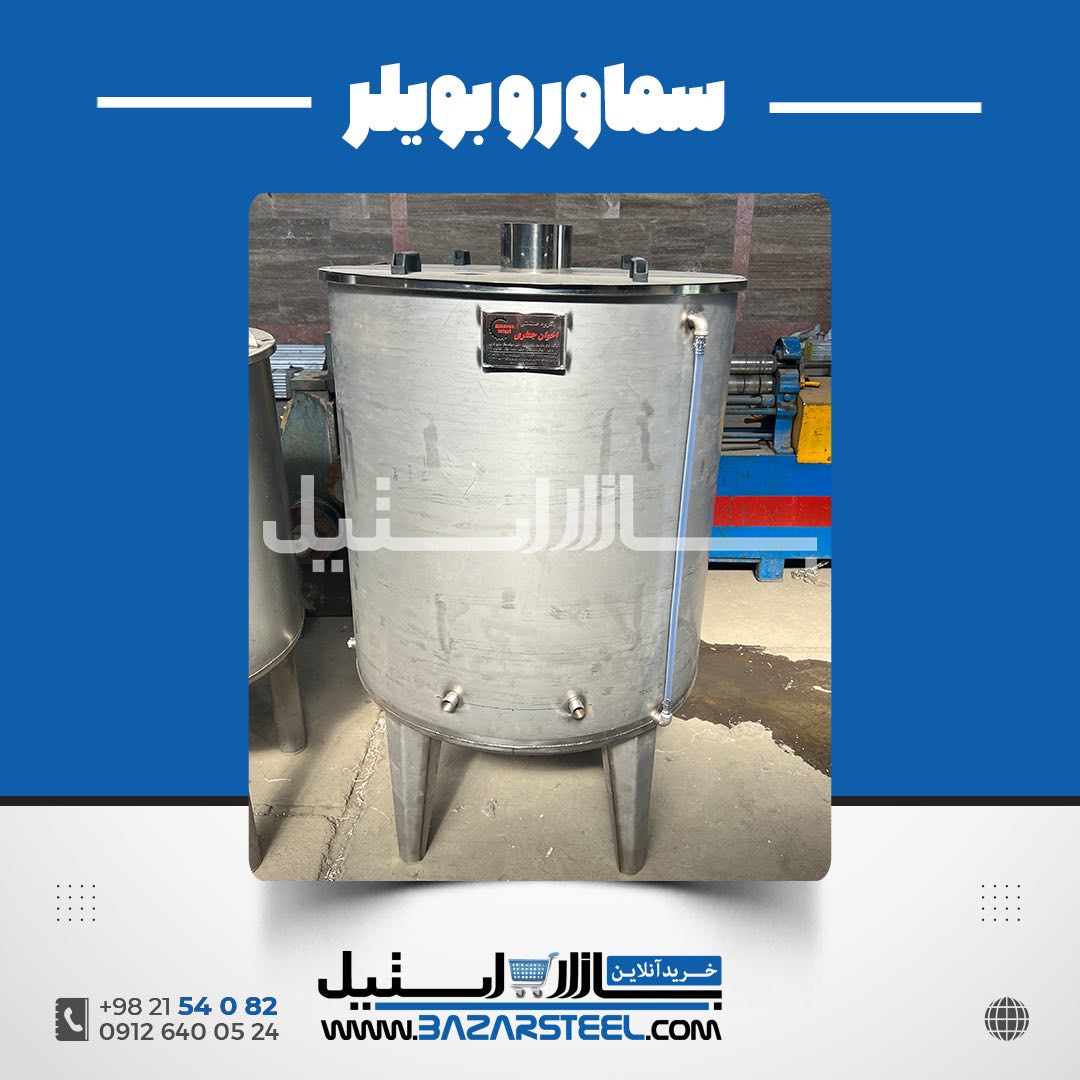
This steel tank with agitator or mixer is suitable for use in dairy industries, in chemical industries as a steel detergent mixer and in beverage industries such as fruit juice production. This tank has a ladder, four steel legs, a drain valve on the floor, a CIP inlet and a paddle mixer. The capacity of this tank can be ordered from 10,000, 15,000 and 20,000 liters.





Description
Comprehensive Guide to Stainless Steel Mixing Tanks for Industrial Applications
Efficient mixing is critical in industrial processes across sectors like pharmaceuticals, food and beverage, chemicals, and cosmetics. A stainless steel mixing tank is a versatile and durable solution that meets diverse mixing requirements while ensuring safety, hygiene, and consistency. Whether you're launching a new factory or upgrading existing operations, understanding the features, applications, and benefits of stainless steel mixing tanks is essential.
This guide provides an in-depth overview of stainless steel mixing tanks, including their design, components, applications, and considerations for choosing the right steel tank with a mixer for your industrial needs.
What is a Stainless Steel Mixing Tank?
A stainless steel mixing tank is an industrial-grade container equipped with an integrated mixing mechanism, designed to blend, mix, and homogenize liquids, powders, or granules. Made from food-grade or industrial-grade stainless steel, these tanks ensure safety, durability, and ease of cleaning, making them ideal for industries that demand precise and contamination-free mixing.
Key Components
-
Mixing Mechanism
- Typically consists of an agitator, impeller, or paddle system designed for the specific viscosity and characteristics of the materials.
-
Stainless Steel Construction
- Made from SS304 or SS316L, ensuring corrosion resistance and compliance with hygiene standards.
-
Temperature Control Systems
- Equipped with heating or cooling jackets to maintain optimal processing temperatures.
-
Accessories
- Includes nozzles, manholes, and sight glasses for monitoring, loading, and cleaning.
Mixer or agitator tank specifications
- This tank is suitable for food, dairy, beverage industries such as fruit juice, pharmaceutical and chemical industries.
- Body description:
- It is made of single-walled steel.
- The steel used is 304 sterile
- The tank is designed in such a way that there are no dead angles inside it
- You can use several types of CIP cleaners for this steel tank
- The mixer has adjustable triangular blades.
- Has a ladder
- liquid level Indicator inside the tank
Applications of Stainless Steel Mixing Tanks
1. Food and Beverage Industry
- Applications: Mixing sauces, dairy products, beverages, and syrups.
- Benefits: Ensures hygienic processing and prevents contamination, preserving the taste and quality of food products.
2. Pharmaceutical Manufacturing
- Applications: Blending active ingredients, suspensions, and emulsions.
- Benefits: Maintains sterility and complies with stringent pharmaceutical standards for safety and quality.
3. Chemical Industry
- Applications: Mixing chemicals, solvents, and adhesives.
- Benefits: Resistant to corrosive materials and ensures uniform mixing for precise formulations.
4. Cosmetics and Personal Care
- Applications: Homogenizing creams, lotions, and shampoos.
- Benefits: Achieves consistent texture and prevents product separation.
5. Water Treatment
- Applications: Mixing flocculants and other water treatment chemicals.
- Benefits: Efficient blending ensures effective treatment processes.
Types of Stainless Steel Mixing Tanks
Stainless steel mixing tanks vary based on their design, functionality, and mixing mechanism. Below are the main types:
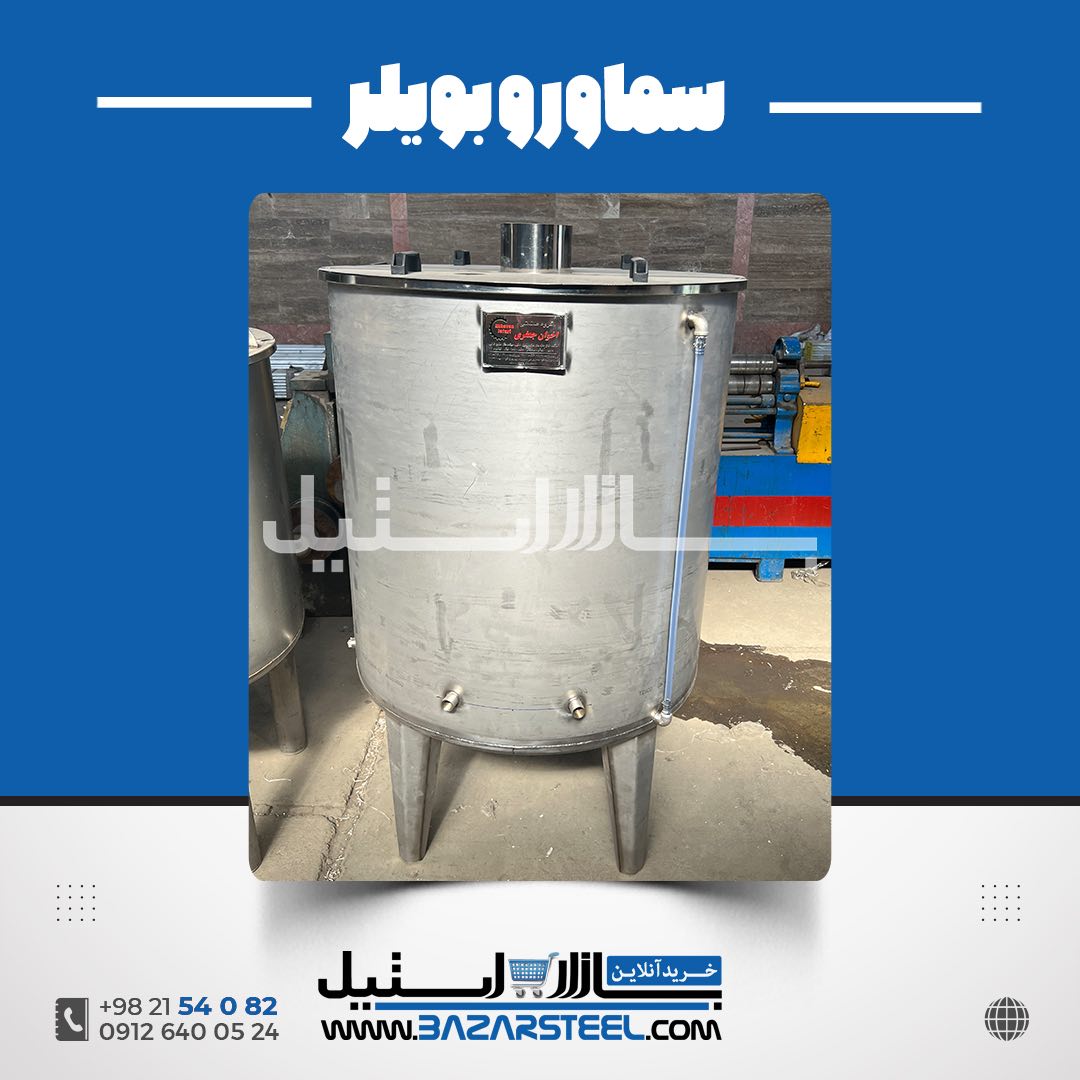
1. Vertical Mixing Tanks
- Design: Cylindrical and upright, suitable for stationary installations.
- Applications: Common in food processing and pharmaceutical manufacturing.
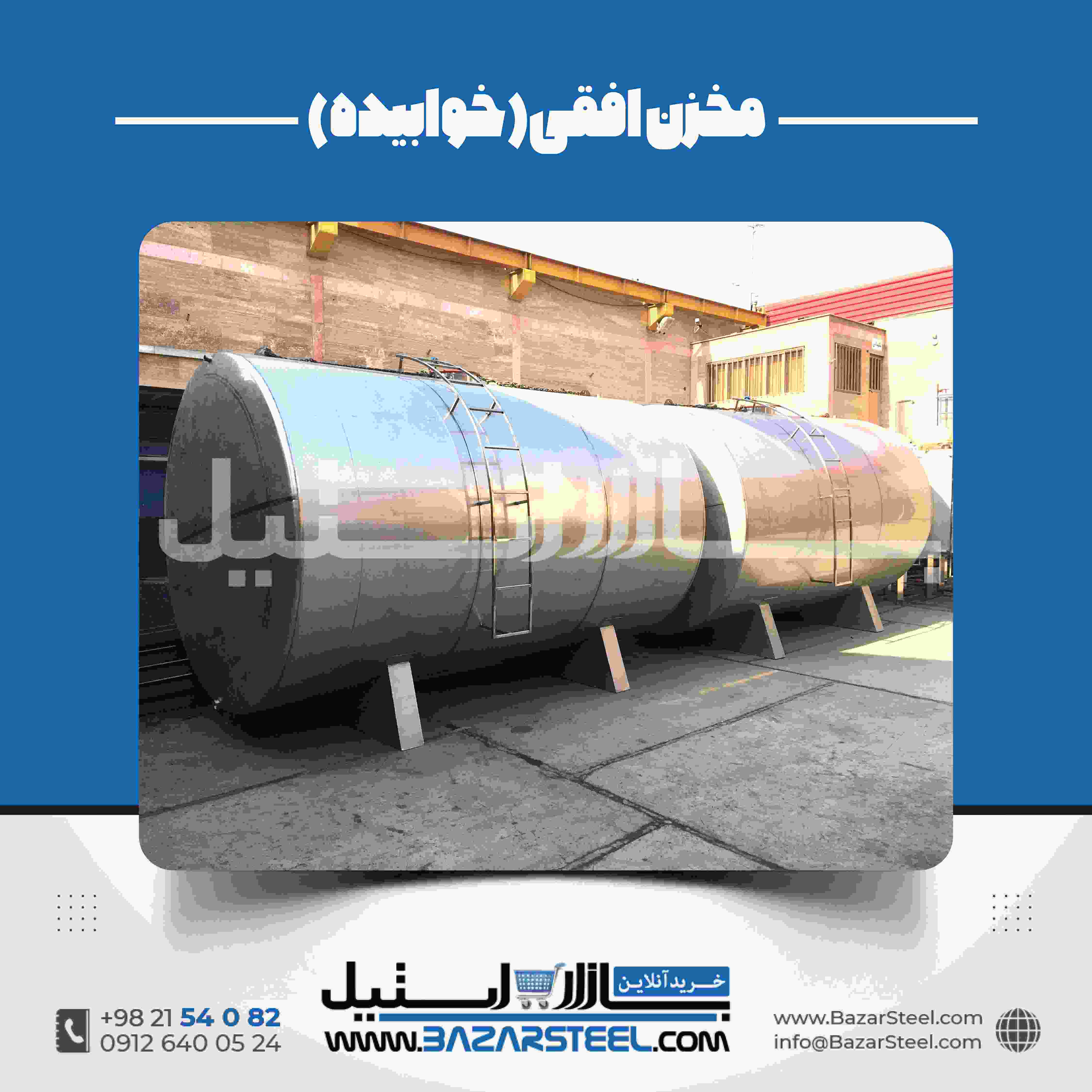
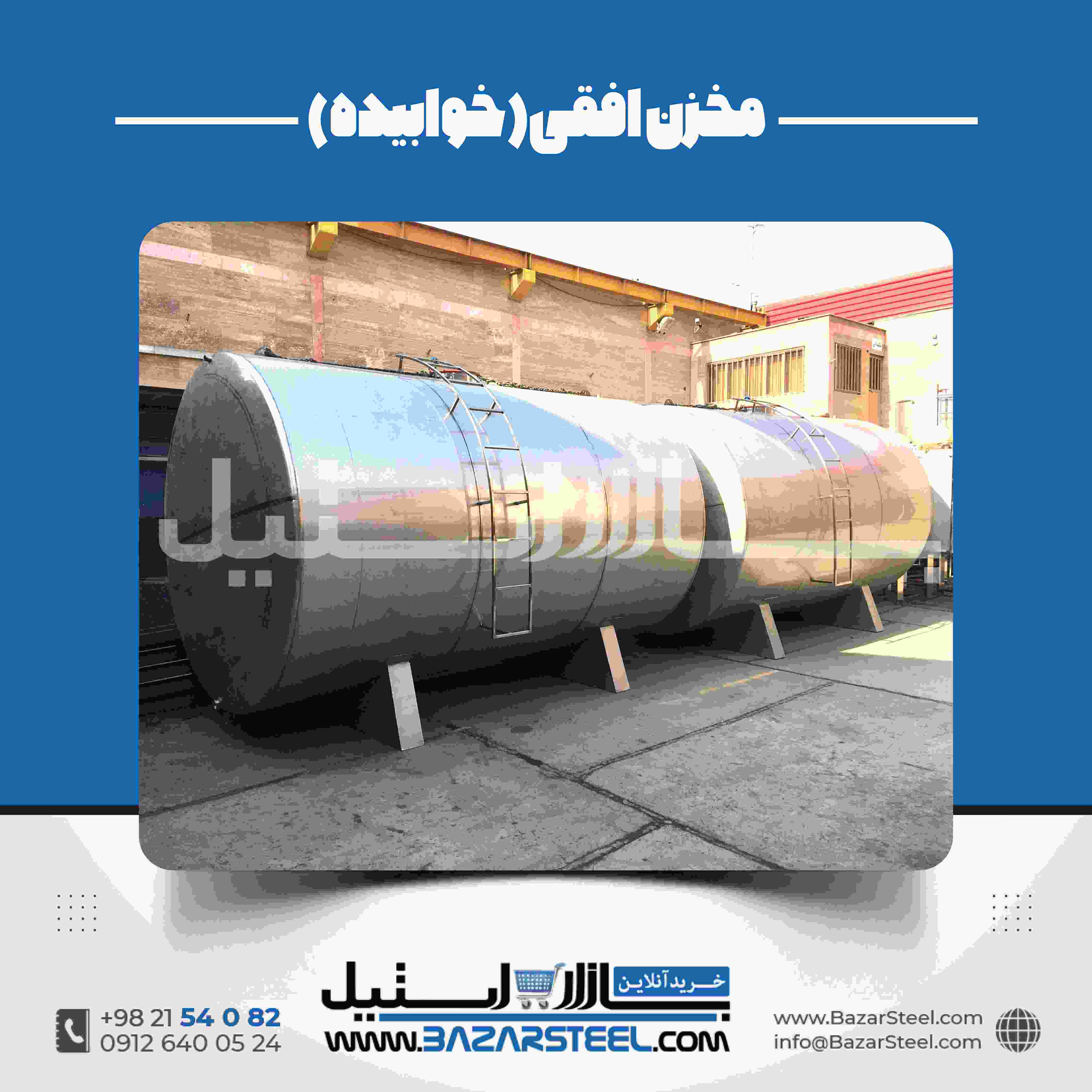
2. Horizontal Mixing Tanks
- Design: Horizontally oriented tanks with integrated mixers.
- Applications: Often used in chemical blending and transport systems.
3. Jacketed Mixing Tanks
- Design: Equipped with a heating or cooling jacket to control the temperature.
- Applications: Ideal for temperature-sensitive processes like chocolate mixing or chemical reactions.
4. Pressure Mixing Tanks
- Design: Built to withstand high-pressure conditions for specialized applications.
- Applications: Used in chemical and pharmaceutical processes requiring pressurized environments.
5. Vacuum Mixing Tanks
- Design: Operates under vacuum to mix viscous or air-sensitive materials.
- Applications: Suitable for cosmetics and adhesives.
Technical Features of Stainless Steel Mixing Tanks
1. Material
- SS304: Standard-grade stainless steel for general applications like food and beverage.
- SS316L: High-grade stainless steel for corrosive or sensitive materials like pharmaceuticals and chemicals.
2. Capacity
- Available in capacities ranging from 50 liters to over 50,000 liters, depending on the application and scale of operations.
3. Mixing Mechanism
- Propeller Mixers: Suitable for low-viscosity liquids.
- Paddle Mixers: Ideal for thicker materials like pastes and slurries.
- High-Shear Mixers: For emulsification and homogenization processes.
4. Temperature Control
- Heating Jackets: Use steam or hot water for controlled heating.
- Cooling Jackets: Circulate chilled water or refrigerants to maintain low temperatures.
5. Automation
- PLC Integration: Allows automated control of mixing speed, temperature, and timing.
- Sensors: Monitor parameters like temperature, pressure, and material levels.
Advantages of Stainless Steel Mixing Tanks
1. Durability and Longevity
- Stainless steel resists corrosion, impact, and wear, ensuring a long service life even in harsh environments.
2. Hygienic Design
- Non-porous surfaces prevent bacterial growth, ensuring compliance with food-grade and pharmaceutical standards.
3. Versatility
- Suitable for mixing a wide range of materials, including liquids, powders, and granules.
4. Easy Maintenance
- Smooth surfaces simplify cleaning and reduce downtime.
5. Scalability
- Tanks can be customized to meet specific capacity and operational requirements.
Selecting the Right Stainless Steel Mixing Tank
Choosing the right steel tank with a mixer requires careful consideration of your process needs and operational goals.
Key Factors to Consider
1. Capacity
- Evaluate your production volume and choose a tank size that meets both current and future demands.
2. Material Compatibility
- Match the tank material with the properties of your ingredients, ensuring resistance to corrosion or reactivity.
3. Mixing Requirements
- Assess the viscosity and behavior of your materials to select the appropriate mixing mechanism.
4. Temperature Needs
- Determine if your process requires heating or cooling and select a tank with appropriate thermal control features.
5. Industry Standards
- Ensure the tank complies with relevant certifications such as FDA, ASME, or ISO for your industry.
6. Budget and Operational Costs
- Consider both the upfront investment and long-term costs for maintenance and energy consumption.
Maintenance and Best Practices
Proper maintenance ensures optimal performance and longevity of stainless steel mixing tanks.
Routine Maintenance
- Cleaning: Regularly clean the tank interior and mixing mechanism to prevent contamination.
- Inspection: Check seals, gaskets, and welds for wear and tear.
- Lubrication: Apply lubricants to moving parts as per manufacturer recommendations.
Calibration and Testing
- Periodically calibrate automation systems to ensure accuracy.
- Conduct material testing to verify mixing efficiency.
Safety Checks
- Inspect temperature and pressure control systems for reliability.
- Ensure emergency shutoff mechanisms are functional.
Economic and Operational Benefits
Investing in a stainless steel mixing tank offers significant returns through efficiency, quality, and cost savings.
1. Enhanced Productivity
- Automated systems reduce manual intervention, speeding up production cycles.
2. Consistent Quality
- Precise mixing ensures homogeneity, improving product quality and customer satisfaction.
3. Reduced Operational Costs
- Durable construction minimizes maintenance expenses and downtime.
- Energy-efficient designs lower utility costs.
4. Sustainability
- Recyclable materials and reduced waste contribute to eco-friendly operations.
Customization Options for Stainless Steel Mixing Tanks
Stainless steel mixing tanks can be tailored to meet specific industrial needs.
1. Design Modifications
- Horizontal or vertical orientation.
- Single-walled or double-walled construction for insulation.
2. Mixing Mechanism
- Custom agitator designs to handle unique material properties.
3. Advanced Automation
- Integration with SCADA or other process control systems for real-time monitoring.
4. Surface Finish
- Mirror-polished or brushed finishes for specific aesthetic or functional requirements.
Conclusion
A stainless steel mixing tank is a cornerstone of efficient industrial operations, offering reliability, hygiene, and adaptability. Whether you’re in food processing, pharmaceuticals, or chemical manufacturing, investing in the right steel tank with a mixer can significantly enhance productivity and product quality.
By understanding your process requirements and consulting with expert suppliers, you can choose a tank that aligns with your goals and ensures long-term operational success. Contact us today to explore our range of stainless steel mixing tanks and discover how they can elevate your industrial processes.
[[ comment.description ]]
[[ reply.description ]]
mixing stainless steel tanks| best price
