Home / Product Categories / Machinery / مخازن / Stainless steel storage tanks / oil tanks
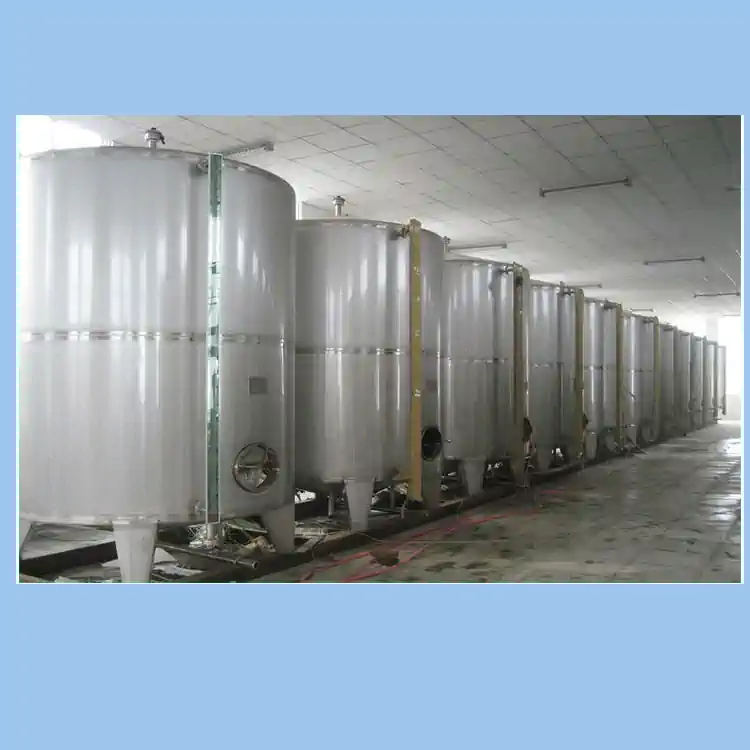
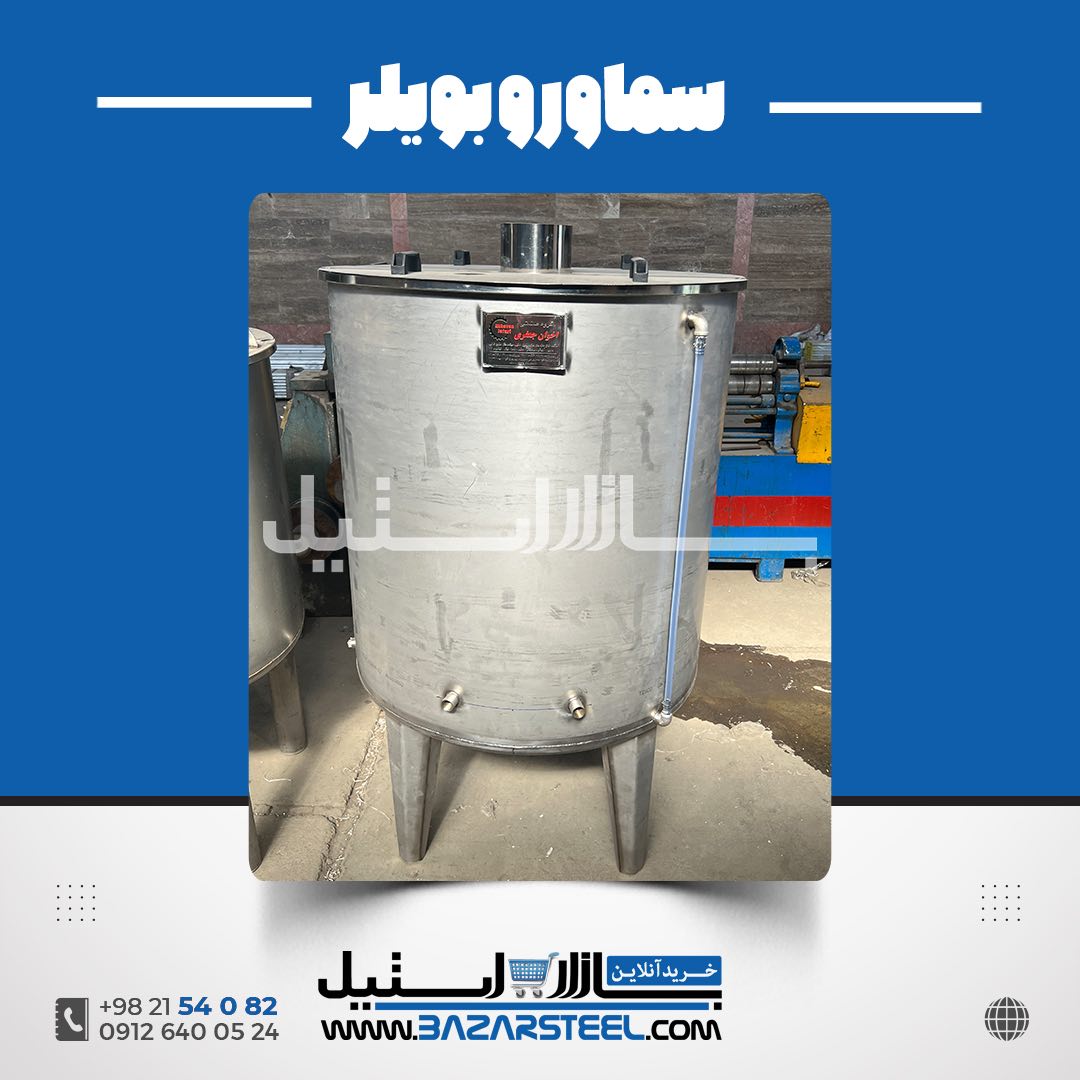
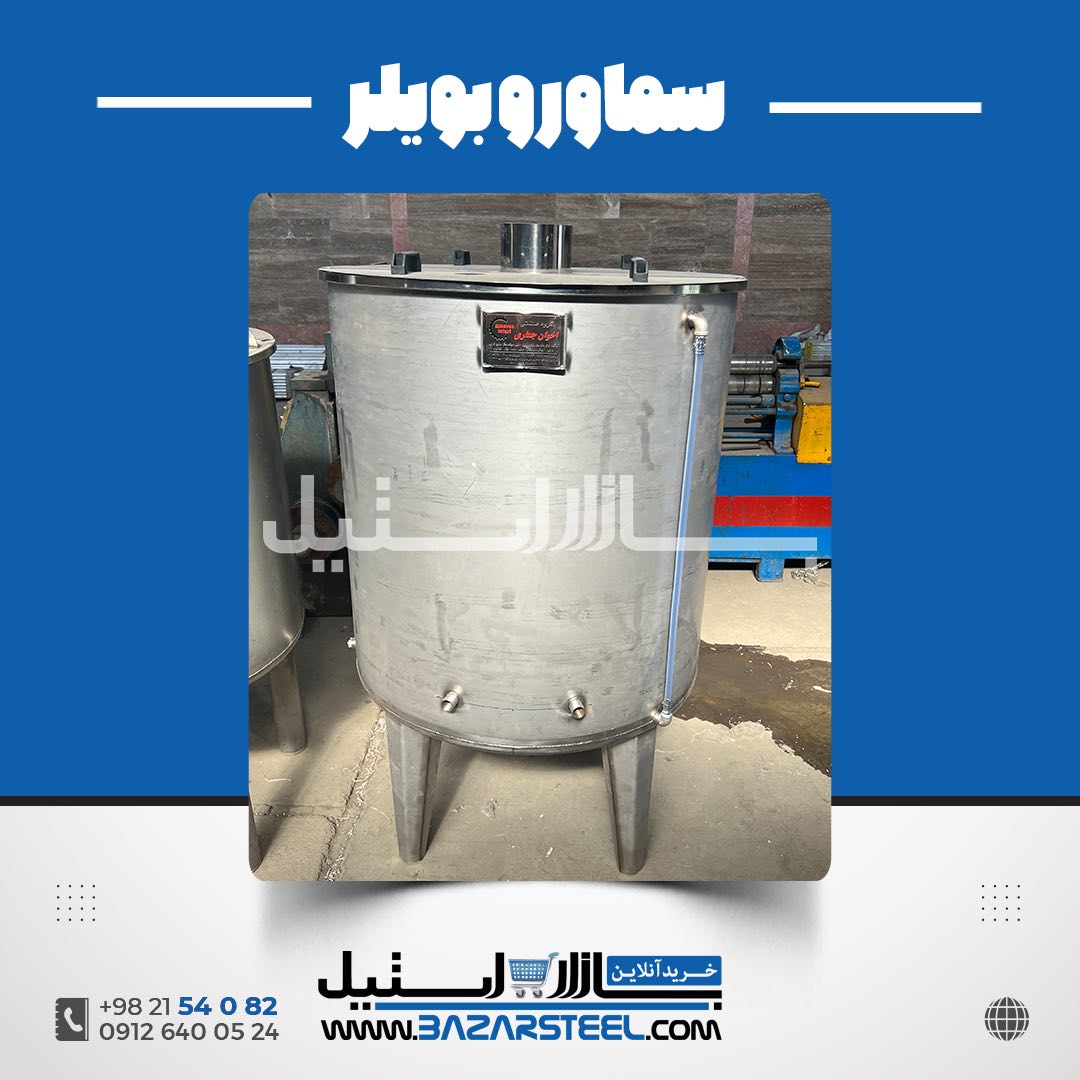
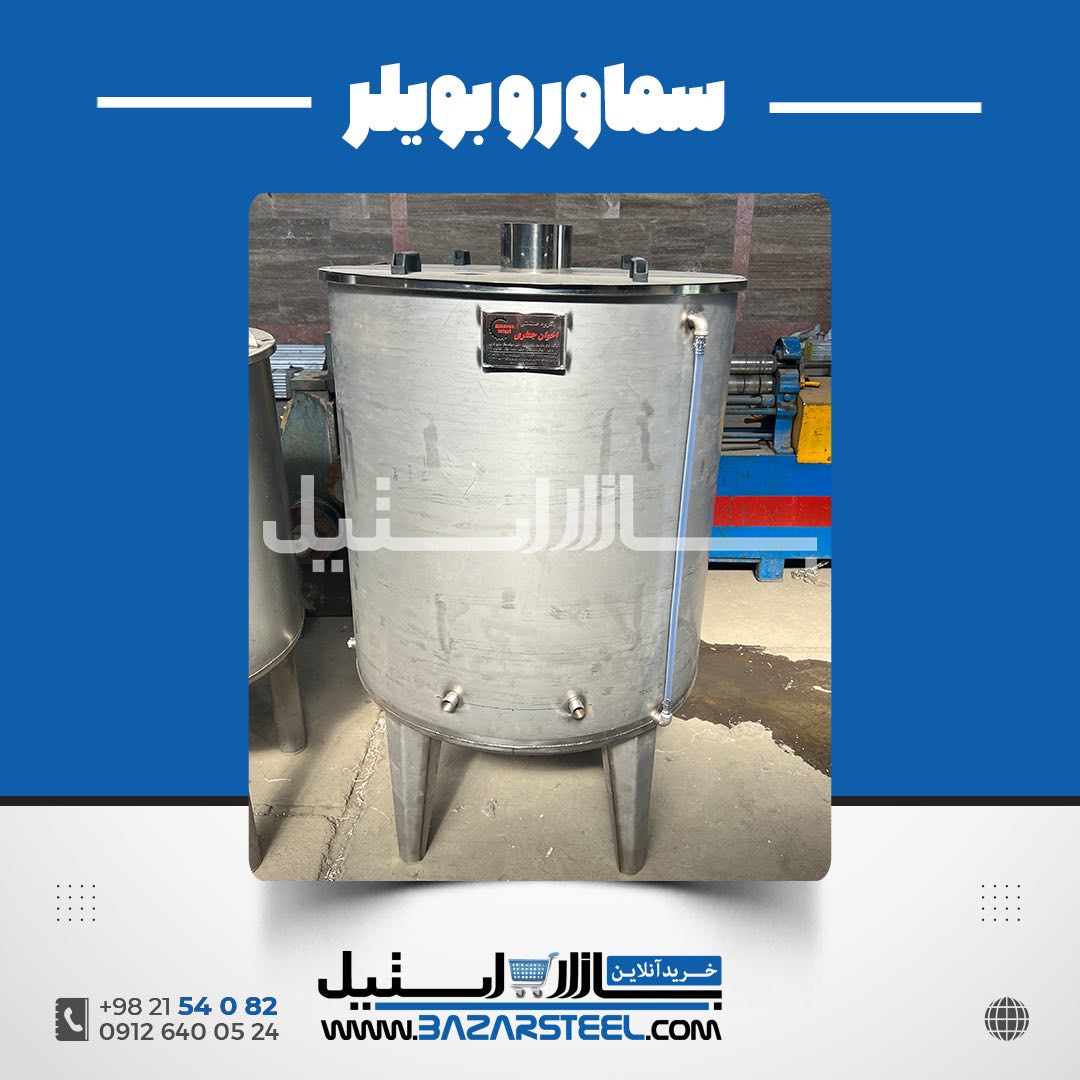
oil tanks
5 / 2.5
Based on 2 Customer opinion
Efficient and safe oil storage is crucial for industrial operations, whether for raw materials, fuel, or other petroleum-based products. Oil tanks are specialized storage units designed to meet the stringent requirements of storing oil in bulk, ensuring safety, durability, and compliance with industrial standards.





Description
Oil Tanks: Essential Solutions for Industrial Oil Storage
Efficient and safe oil storage is crucial for industrial operations, whether for raw materials, fuel, or other petroleum-based products. Oil tanks are specialized storage units designed to meet the stringent requirements of storing oil in bulk, ensuring safety, durability, and compliance with industrial standards.
This comprehensive guide provides detailed insights into oil tanks, their types, applications, benefits, and key considerations for selecting the right tank for your industrial setup.
What Are Oil Tanks?
An oil tank is a storage vessel specifically engineered to store petroleum products, including crude oil, refined fuel, and lubricants. These tanks come in various shapes, sizes, and materials to meet the diverse requirements of industries. Their primary purpose is to ensure safe storage, prevent spillage or contamination, and facilitate efficient handling of oil.
Applications of Oil Storage Tanks
Oil tanks are indispensable in various industrial sectors for their ability to store and manage petroleum-based products efficiently.
1. Industrial Facilities
- Store raw materials like crude oil for refining or processing.
- Serve as reserves for operational needs such as power generation or equipment lubrication.
2. Oil Refineries
- Act as intermediate storage between refining stages.
- Store finished products like diesel, gasoline, or jet fuel.
3. Transportation and Logistics
- Provide temporary storage for oil during transportation via ships, trucks, or pipelines.
- Serve as depots for fuel distribution networks.
4. Energy Sector
- Store fuel oil for power plants and renewable energy backup systems.
- Act as reserves for emergency power supply.
5. Commercial Use
- Store heating oil for residential or commercial buildings.
- Used in service stations for fuel dispensing.
Types of Oil Tanks
Oil tanks are classified based on design, material, and application.
1. Aboveground Storage Tanks (ASTs)
- Positioned above the ground level, making them accessible for maintenance.
- Applications: Suitable for storing large quantities of oil in refineries and industrial facilities.
- Advantages: Easy installation and inspection.
2. Underground Storage Tanks (USTs)
- Installed below ground to save space and provide security.
- Applications: Often used in service stations and urban areas with limited space.
- Advantages: Protects the tank from environmental exposure.
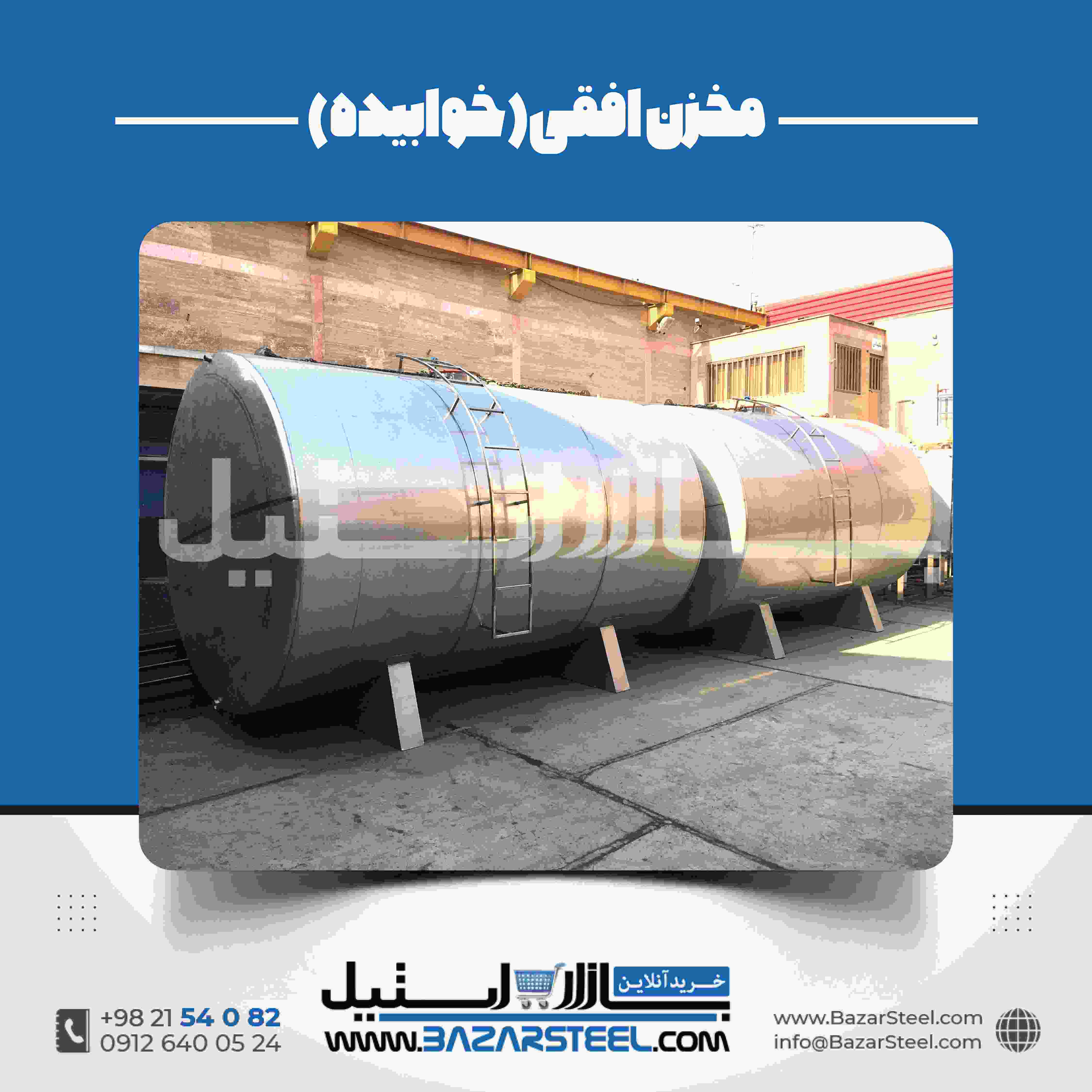
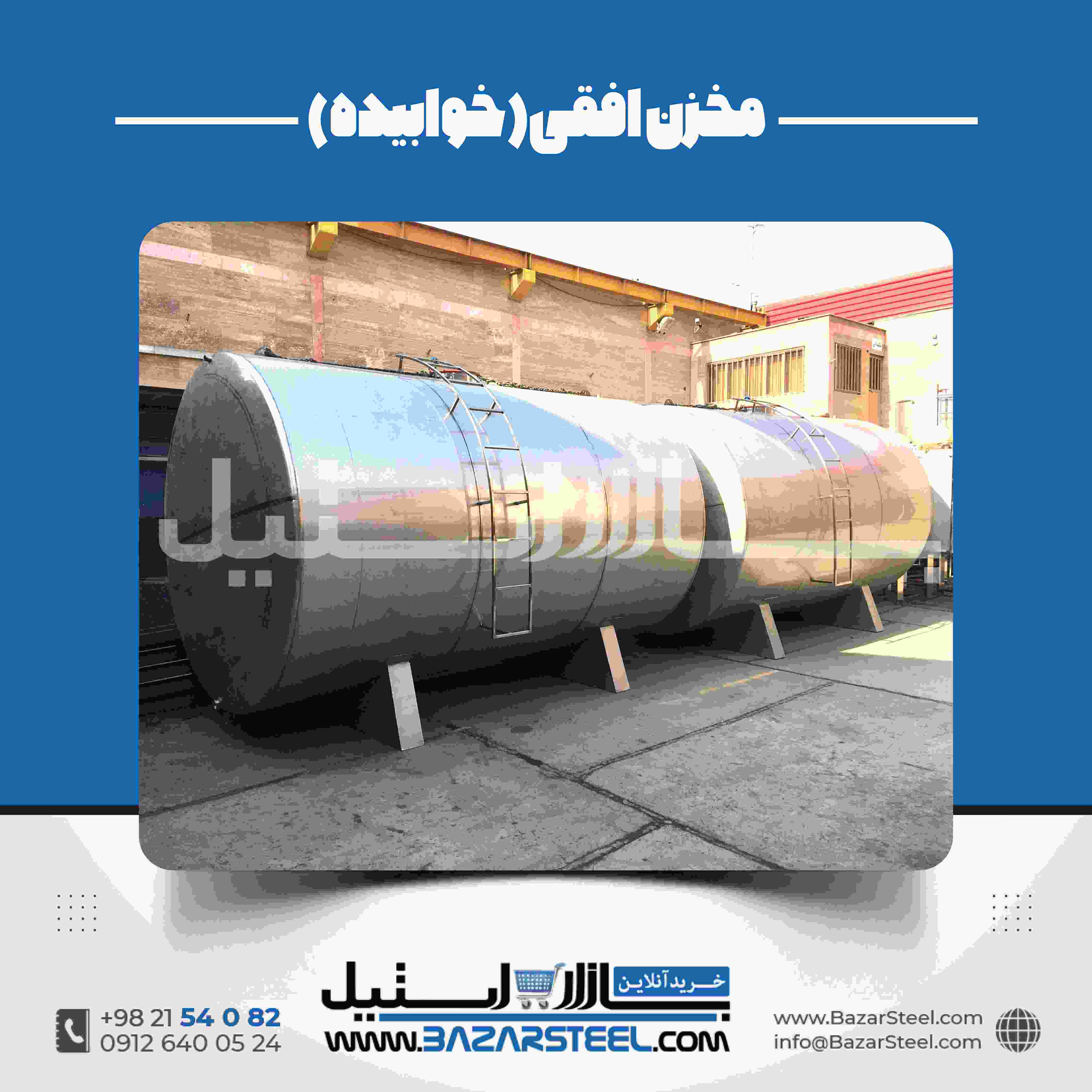
3. Horizontal Cylindrical Tanks
- Designed for easy transport and compatibility with vehicle-mounted systems.
- Applications: Widely used in logistics and transportation industries.
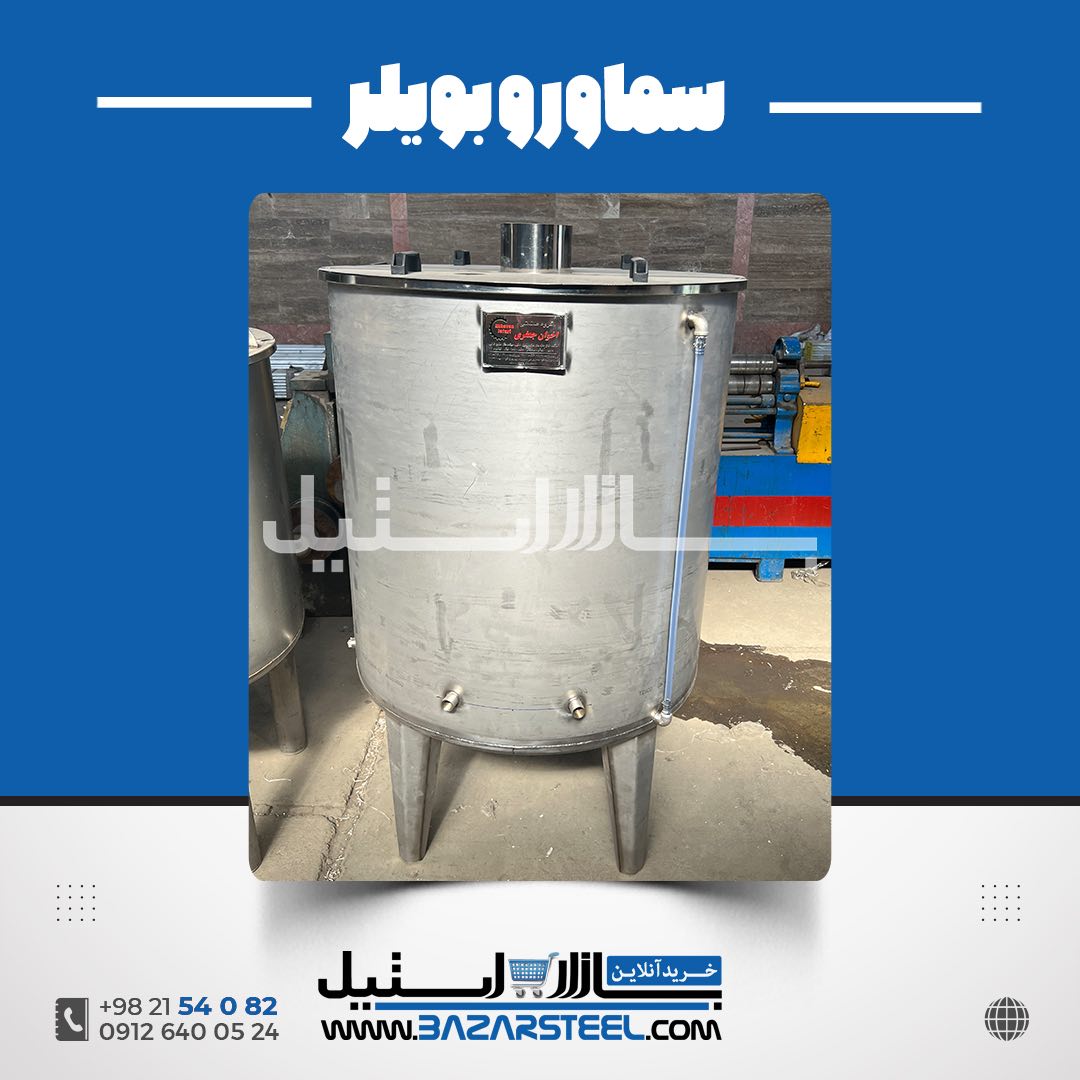
4. Vertical Cylindrical Tanks
- Occupy less ground space due to their height.
- Applications: Ideal for large-scale storage in refineries and depots.
5. Double-Walled Tanks
- Feature an inner and outer wall for added protection.
- Applications: Essential for storing hazardous or environmentally sensitive oils.
- Advantages: Prevents leaks and contamination.
6. Fixed Roof Tanks
- Equipped with a non-movable roof to protect the stored oil from external elements.
- Applications: Suitable for storing non-volatile oils.
7. Floating Roof Tanks
- Roofs float on the surface of the stored oil, reducing vapor loss and risk of combustion.
- Applications: Ideal for volatile oils like gasoline.
Materials Used in Oil Tanks
The material of construction plays a significant role in the durability and compatibility of an oil tank with its intended application.
1. Carbon Steel
- Durable and cost-effective.
- Applications: Used for non-corrosive oils like crude oil and fuel.
2. Stainless Steel
- Resistant to corrosion and chemical reactions.
- Applications: Suitable for storing refined oils, lubricants, or food-grade oils.
3. Fiberglass-Reinforced Plastic (FRP)
- Lightweight and corrosion-resistant.
- Applications: Commonly used for underground storage tanks.
4. Polyethylene
- Economical and non-reactive.
- Applications: Used for small-capacity tanks storing heating oil or other less reactive substances.
Key Features of Oil Tanks
1. Safety Features
- Double-walled designs and leak detection systems prevent environmental contamination.
- Pressure relief valves and vents reduce the risk of over-pressurization.
2. Customizable Sizes
- Tanks can be customized to meet specific capacity requirements, from small-scale industrial needs to large-scale refinery applications.
3. Thermal Insulation
- Tanks can be insulated to maintain oil at optimal temperatures, preventing freezing or excessive heating.
4. Accessibility
- Features like manholes, ladders, and catwalks ensure safe inspection and maintenance.
5. Compliance
- Designed to adhere to international safety and environmental standards like API, UL, and ASME.
Advantages of Using Oil Storage Tanks
1. Safety and Security
- Reduces the risk of spills, leaks, and contamination.
- Protects oil from environmental factors like temperature changes or UV exposure.
2. Operational Efficiency
- Ensures a steady supply of oil for uninterrupted industrial operations.
- Simplifies logistics and inventory management.
3. Long-Term Durability
- High-quality materials and construction techniques provide long service life with minimal maintenance.
4. Cost-Effectiveness
- Bulk storage capabilities reduce reliance on frequent supply deliveries, lowering operational costs.
5. Scalability
- Customizable designs allow businesses to expand their storage capacity as needed.
Selecting the Right Oil Tank for Your Industrial Needs
Choosing the right oil storage tank involves assessing your specific requirements and ensuring the tank meets operational and regulatory standards.
Key Factors to Consider
-
Storage Capacity
- Determine the volume of oil you need to store and choose a tank size accordingly.
-
Material Compatibility
- Match the tank material to the type of oil being stored to prevent corrosion or chemical reactions.
-
Installation Site
- Evaluate the available space and decide between aboveground or underground installation.
-
Environmental Conditions
- Consider factors like temperature, humidity, and weather exposure when selecting a tank with thermal insulation or corrosion resistance.
-
Compliance Requirements
- Ensure the tank adheres to relevant safety and environmental standards for your industry.
Maintenance and Best Practices
Proper maintenance ensures the safety, efficiency, and longevity of oil tanks.
Routine Maintenance
- Inspections: Regularly check for leaks, corrosion, or structural damage.
- Cleaning: Periodically clean the interior to remove sludge or residues.
- Repairs: Address any wear and tear promptly to prevent operational disruptions.
Monitoring Systems
- Install sensors to monitor oil levels and detect leaks.
- Use temperature and pressure gauges to maintain safe operating conditions.
Compliance Checks
- Adhere to local regulations and safety guidelines.
- Conduct regular audits and certification renewals.
Economic and Operational Benefits
Investing in high-quality oil tanks provides substantial returns for industrial businesses.
1. Cost Savings
- Bulk storage reduces the frequency and cost of deliveries.
- Long-lasting tanks minimize replacement expenses.
2. Enhanced Productivity
- Ensures a consistent supply of oil for uninterrupted production.
3. Environmental Responsibility
- Double-walled and insulated tanks help industries meet environmental regulations, minimizing penalties and reputational risks.
Conclusion
Oil tanks are essential components in industrial operations, offering safe and efficient storage for a wide range of petroleum products. From their diverse applications to their robust design and regulatory compliance, oil tanks ensure seamless integration into industrial processes.
For entrepreneurs starting industrial businesses, selecting the right oil storage solution is crucial for operational success. By considering factors like capacity, material, and compliance, you can choose a tank that meets your specific needs and ensures long-term reliability.
Partner with experienced manufacturers and suppliers to ensure you receive high-quality oil tanks tailored to your requirements. Investing in the right oil storage infrastructure sets the foundation for a safe, efficient, and sustainable industrial operation.
[[ comment.description ]]
[[ reply.description ]]
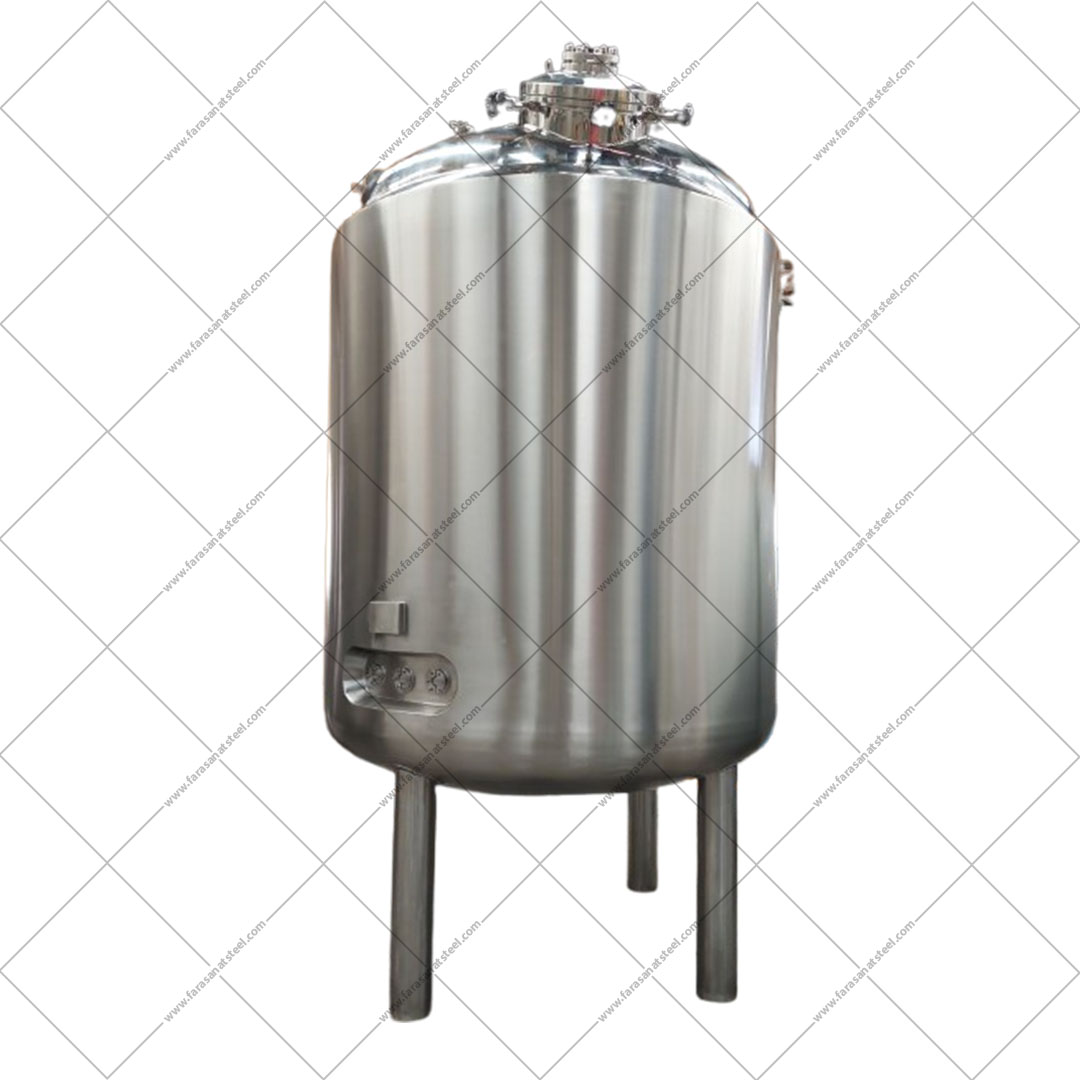
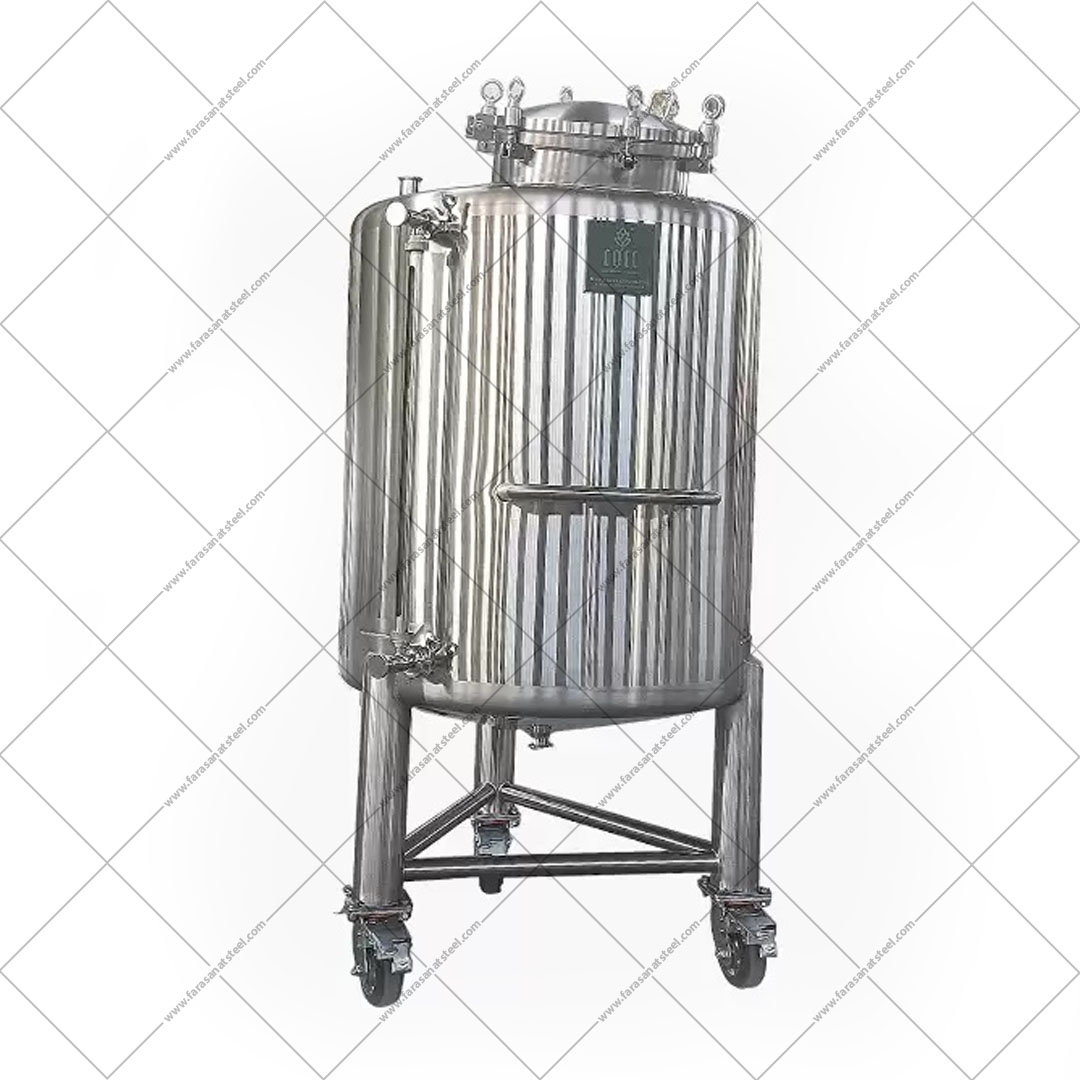
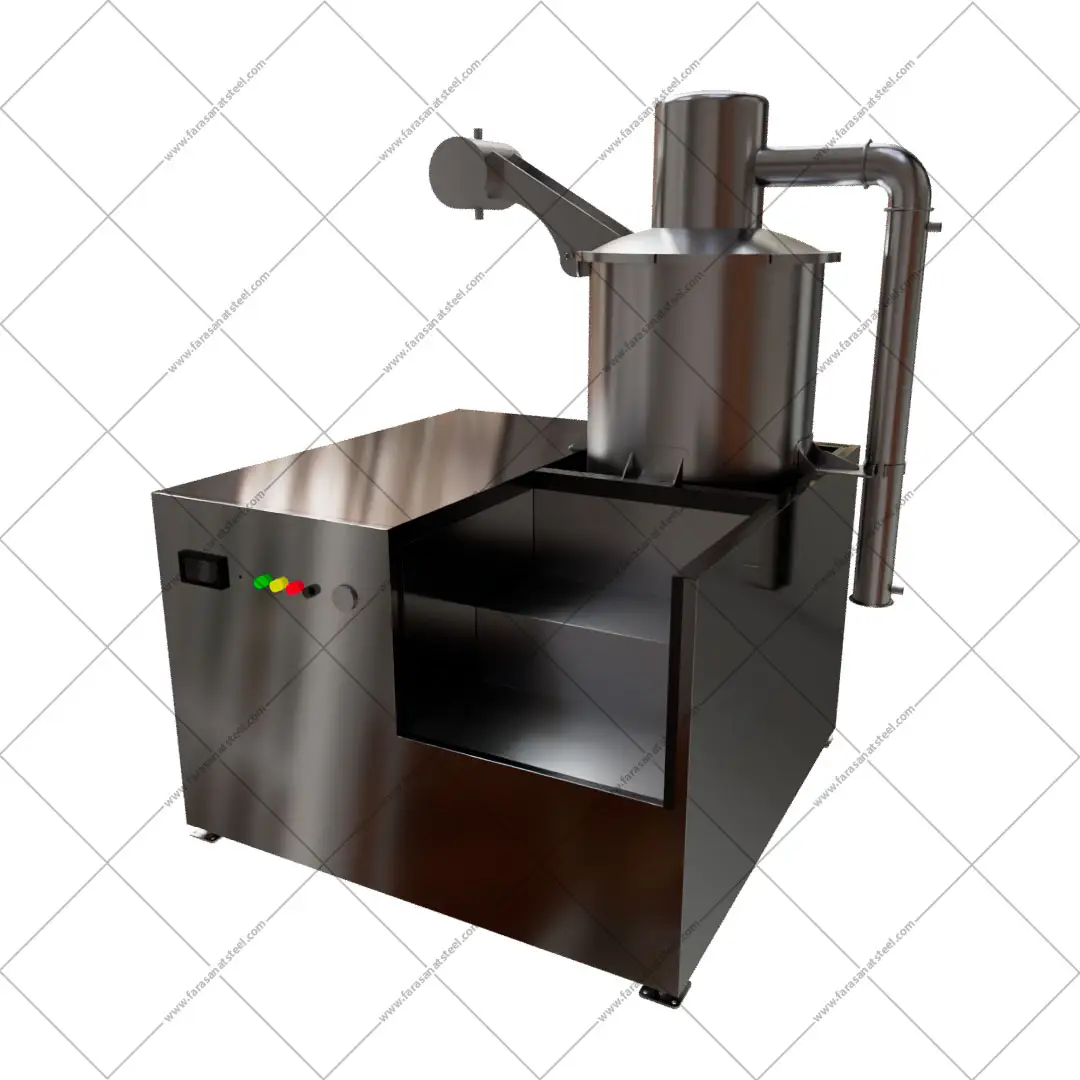
oil tanks
